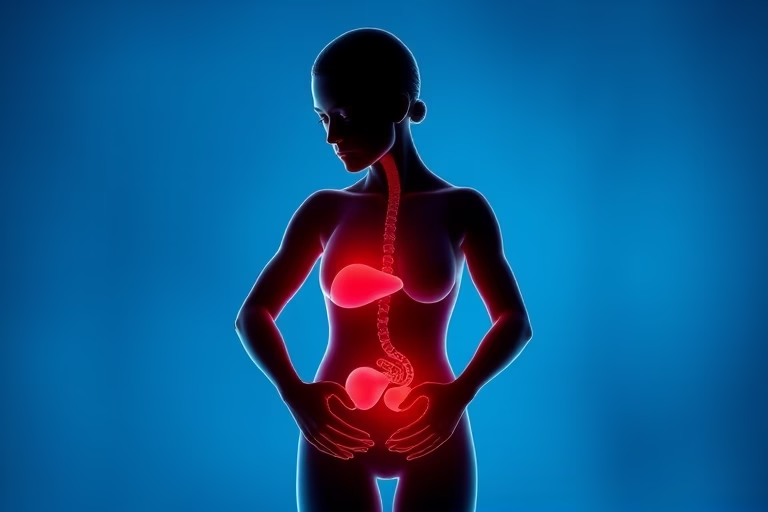
In this article, we will be discussing the symptoms after IVF transfer. This is an important topic for many IVF patients who are eager to understand what to expect during the two-week wait following embryo transfer. The symptoms experienced after IVF transfer can vary greatly from woman to woman, and understanding these symptoms can help ease concerns and inform patients about their progression. It is crucial to note that not all symptoms indicate pregnancy, and every woman’s body may react differently during this time.
IVF, or in-vitro fertilization, is a complex series of procedures used to help with fertility or prevent genetic problems. After the sperm fertilizes the eggs in a laboratory and they develop into embryos, one or more are transferred to the uterus. Following this transfer, the body goes through a range of physiological changes. Some women may experience very noticeable symptoms, while others may experience none at all. The symptoms may stem from hormonal changes, the procedure itself, or implantation of the embryo. Understanding these symptoms is key for women undergoing IVF as they navigate the emotional and physical challenges of this process.
Common Early Symptoms After IVF Transfer
Women undergoing IVF often report symptoms that start shortly after the embryo transfer. Commonly experienced symptoms include:
- Cramping
- Spotting
- Breast tenderness
- Nausea
- Fatigue
These symptoms can result from hormonal changes triggered by the medication taken during IVF, as well as the body reacting to the transferred embryo. Understanding the nature of symptoms can be crucial in managing expectations and alleviating anxiety.
Understanding Implantation Symptoms
Implantation symptoms often occur around 6 to 10 days after the embryo transfer. Some women may experience what is known as implantation bleeding, a small amount of spotting that occurs as the embryo attaches itself to the uterine lining. Instead of heavy bleeding, this may appear as light pink or brown discharge.
Cramping can also accompany these symptoms, which might feel similar to menstrual cramps. This is attributed to the physical changes in the uterus as it accommodates the embryo. It’s essential to differentiate between normal implantation symptoms and signs of a potential miscarriage or ectopic pregnancy.
Hormonal Changes Post-Transfer
The hormonal landscape changes significantly during and after the IVF process. Progesterone, estrogen, and hCG levels may elevate, creating various physical side effects. Symptoms such as mood swings, bloating, or headaches can stem from these hormonal fluctuations.
Women may also notice breast tenderness or swelling due to increased estrogen. Understanding that these symptoms are common can help alleviate some anxiety during the wait. Always consult with healthcare providers to clarify any concerning signs.
Secondary Symptoms to Watch For
Alongside common symptoms, there may also be secondary symptoms that arise post-IVF transfer. These can include:
- Increased urination
- Change in appetite
- Heightened sense of smell
While some of these symptoms may be misconstrued, they can also signify potential pregnancy and should be monitored throughout the treatment process.
When to Consult Your Doctor
It is crucial for women undergoing IVF to recognize when to seek medical advice. Signs that may necessitate a doctor’s visit include:
- Heavy bleeding
- Severe abdominal pain
- Persistent nausea or vomiting
- Fever or chills
These symptoms may indicate complications such as an ectopic pregnancy or other issues that require immediate medical attention.
Emotional Symptoms After IVF Transfer
In addition to physical symptoms, the emotional landscape after IVF transfer can be challenging. It is common to experience anxiety or stress during this period of uncertainty. The emotional symptoms may manifest as mood swings, irritability, or heightened sensitivity.
Establishing a strong support system, whether through friends, family, or professional help, can prove invaluable during this time. Journaling or engaging in relaxation techniques may also aid in coping with feelings of worry and fear as women await their results.
Understanding Pregnancy Tests Post-IVF Transfer
After a period following the embryo transfer, a blood test is generally recommended to check for pregnancy. Knowing when to take a pregnancy test can sometimes be tricky.
Having this test done too early can result in a false negative. The timing of the test should be discussed with your fertility specialist for accurate results.
Impact of Lifestyle on Symptoms
Post-transfer lifestyle choices can impact overall symptoms. Factors such as diet, exercise, and stress levels can influence hormonal balance and overall well-being.
Maintaining a balanced diet rich in vitamins and minerals can support the body’s needs during this critical period. Staying hydrated and engaging in gentle exercise may also be beneficial, as long as it is approved by a healthcare provider.
Final Thoughts
In conclusion, being aware of the symptoms after IVF transfer is essential for managing expectations and emotional well-being. Symptoms vary greatly, with some women experiencing noticeable changes while others may feel nothing at all. Understanding the nature of these symptoms—whether stemming from hormonal changes, implantation, or emotional shifts—can provide clarity during the two-week wait.
As part of this journey, remember to consult with healthcare providers regarding any abnormalities or concerns. Early intervention is vital and can lead to better outcomes. Engaging with supportive networks can also ease the emotional burden associated with the IVF process.
Everyone’s experience is unique, and staying informed is one of the best ways to navigate this challenging but hopeful journey.
Frequently Asked Questions
1. What are the first symptoms I might notice after IVF transfer?
Common early symptoms include cramping, spotting, breast tenderness, nausea, and fatigue.
2. How long after IVF transfer do symptoms typically appear?
Symptoms may start appearing around 6 to 10 days post-transfer, particularly if they are related to implantation.
3. When should I seek medical help after an IVF transfer?
If you experience heavy bleeding, severe pain, or any other concerning symptoms, it is essential to contact your doctor immediately.
4. Can lifestyle changes affect my symptoms after IVF?
Yes, maintaining a balanced diet, hydration, and managing stress levels can positively affect hormonal balance and overall symptoms.
5. How accurate are pregnancy tests after IVF transfer?
Pregnancy tests can be accurate if taken at the right time, usually around 10 to 14 days post-transfer, as advised by your healthcare provider.
Further Reading
What Type of Psychotherapy Is Best for Anxiety?