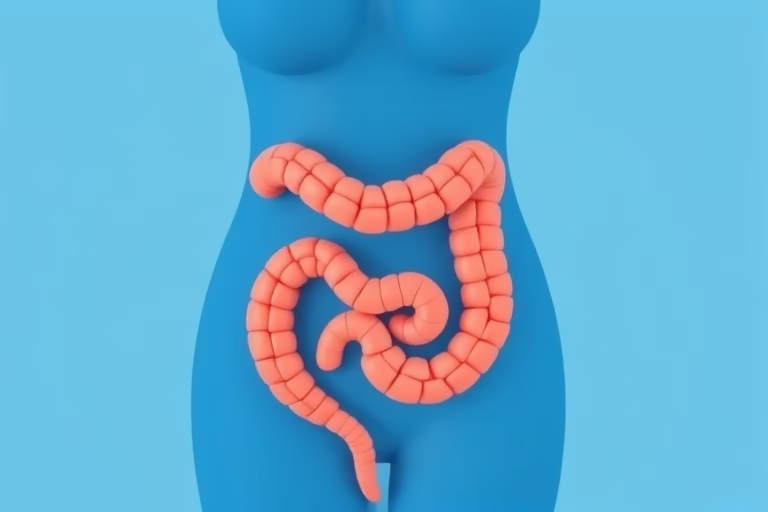
We will be talking about IVF constipation. This condition can be particularly concerning for individuals undergoing in vitro fertilization (IVF) treatments. IVF is a complex series of procedures aimed at assisting with fertility. While focusing on achieving a successful pregnancy, various side effects and symptoms can arise, and constipation is one that many people may experience. Constipation refers to infrequent bowel movements or difficulty in passing stools, which can lead to discomfort and distress. Its occurrence can be attributed to hormonal changes, stress, medication side effects, dietary adjustments, or lifestyle changes during the IVF process. Understanding and addressing IVF constipation is essential to enhance the overall well-being of individuals embarking on this journey.
Understanding IVF and Its Relation to Constipation
IVF, or in vitro fertilization, involves several steps. Beginning with ovarian stimulation to produce multiple eggs, it follows with egg retrieval, fertilization, and embryo transfer. Throughout this process, hormonal medications are often administered, which can significantly affect the body’s digestive system.
The hormonal changes caused by these medications can disrupt normal bowel function. For instance, progesterone, a hormone commonly used in IVF protocols, can slow down intestinal activity. This slowing can lead to constipation and numerous associated symptoms such as bloating and discomfort. Additionally, the emotional stress associated with IVF can also contribute to gastrointestinal issues. Each of these factors plays a role, making it vital for those undergoing IVF to stay informed about managing potential constipation effectively.
Dietary Changes for Managing Constipation
A well-balanced diet is crucial during IVF, and managing constipation through dietary adjustments can lead to improved health outcomes. Including a rich array of fiber in the diet can stimulate bowel movement. Fiber can be found in fruits, vegetables, whole grains, and legumes.
You can aim for a daily intake of at least 25 grams for women and 38 grams for men. Some high-fiber foods include:
- Beans and legumes
- Whole grain products
- Fruits such as apples, pears, and berries
- Vegetables like broccoli, carrots, and leafy greens
Additionally, staying hydrated is equally important. Drinking sufficient water can help the digestive system function smoothly. Aim for at least 8-10 cups of water each day and consider adding herbal teas, which can also be soothing.
Physical Activity and Its Impact
Regular physical activity can significantly influence digestive health and reduce the likelihood of constipation. Exercise stimulates the intestines and promotes regular bowel movements by enhancing the functioning of the digestive tract.
Engaging in at least 30 minutes of moderate exercise most days of the week can be beneficial. This can vary from walking, swimming, or yoga, which can also promote relaxation and reduce stress levels associated with IVF. It is essential to discuss exercise plans with healthcare providers to tailor safe activities during the IVF process.
The Role of Medications and Supplements
During IVF, various medications can contribute to constipation, requiring close monitoring. Hormonal medications like progesterone can slow bowel movements, leading to discomfort. If you notice symptoms, address them with your healthcare provider, who may recommend adjustments or alternatives.
Over-the-counter laxatives can offer temporary relief but should be used cautiously and not as a long-term solution. Instead, dietary changes and lifestyle adjustments should be the first strategies. Natural supplements like probiotics may also help. Probiotics can improve gut health and relieve bloating and constipation. Before starting any new supplement, always consult with your fertility specialist to ensure its suitability during IVF.
Stress Management Techniques
Stress can worsen gastrointestinal issues, including constipation, especially during the IVF process, which can be a high-pressure experience. Implementing effective stress management techniques can alleviate some symptoms.
Consider practicing mindfulness and relaxation techniques such as:
- Deep breathing exercises
- Yoga and stretching
- Meditation
- Journaling your thoughts and feelings
Additionally, seeking support from counselors or support groups can provide an outlet for emotions associated with IVF treatment. Managing stress not only improves mental health but also has positive effects on physical well-being.
Identifying Signs of More Serious Conditions
While occasional constipation is common, recognizing when it may signal a more serious issue is critical. If constipation persists despite lifestyle changes, or if it is accompanied by severe pain, bleeding, or significant changes in bowel habits, it is essential to consult with your healthcare provider.
These could indicate underlying conditions or complications that may need medical attention, such as intestinal blockages or other gastrointestinal disorders. Early intervention is vital to ensure overall health and safe continuation of IVF processes.
Nutritional Supplements and Their Efficacy
Nutritional supplements can be a valuable addition to manage constipation during IVF. While they should not replace a balanced diet, certain vitamins and minerals may support digestive health. Fiber supplements, such as psyllium husk, can be beneficial for increasing fiber intake. Always consult your healthcare provider before starting any new supplements.
Other supplements like magnesium may also help improve bowel movements, as it supports muscle function in the intestines. Again, a solid communication line with your healthcare provider is crucial to ensure safe and effective use of any supplements during IVF.
Follow-Up with Healthcare Providers
Regular follow-up appointments with your healthcare provider during IVF are essential for monitoring both fertility progress and health concerns, including constipation. Do not hesitate to voice your symptoms or concerns; your provider can offer tailored recommendations based on your needs.
A collaborative approach with healthcare professionals ensures all aspects of your health are addressed, allowing for a more comprehensive strategy to tackle constipation while enhancing the chances of a successful IVF outcome.
Final Thoughts
Managing IVF constipation is a critical aspect of the fertility journey. The connection between reproductive health and digestive function is evident, as hormonal changes, stress, and dietary adjustments may contribute to constipation symptoms. Emphasizing a balanced diet rich in fiber, maintaining hydration, engaging in regular physical activity, and practicing stress management can all contribute to alleviating constipation during IVF treatments.
Additionally, understanding the role of medications and maintaining open communication with healthcare providers is essential for addressing ongoing symptoms. It’s vital to recognize when constipation may signal a more serious health issue and not shy away from seeking medical advice.
By adopting proactive strategies and understanding their importance, individuals undergoing IVF can foster a healthier body and mind, ultimately optimizing their overall experience during this complex process.
Frequently Asked Questions
1. What causes constipation during IVF?
Constipation during IVF can result from hormonal changes, stress, dietary adjustments, and medications used in treatment.
2. How can I relieve constipation while undergoing IVF?
Increasing fiber intake, drinking adequate water, engaging in physical activity, and managing stress are effective strategies to alleviate constipation.
3. Is it safe to take laxatives during IVF?
Consult your healthcare provider before using laxatives, as they may not provide a long-term solution and can have side effects.
4. When should I be concerned about constipation?
If constipation persists despite changes or is accompanied by severe pain or bleeding, consult your healthcare provider for assessment.
5. Can dietary changes make a difference in managing constipation during IVF?
Yes, a fiber-rich diet, hydration, and mindful eating can significantly impact bowel movements and help manage constipation effectively.
Further Reading
What Type of Psychotherapy Is Best for Anxiety?