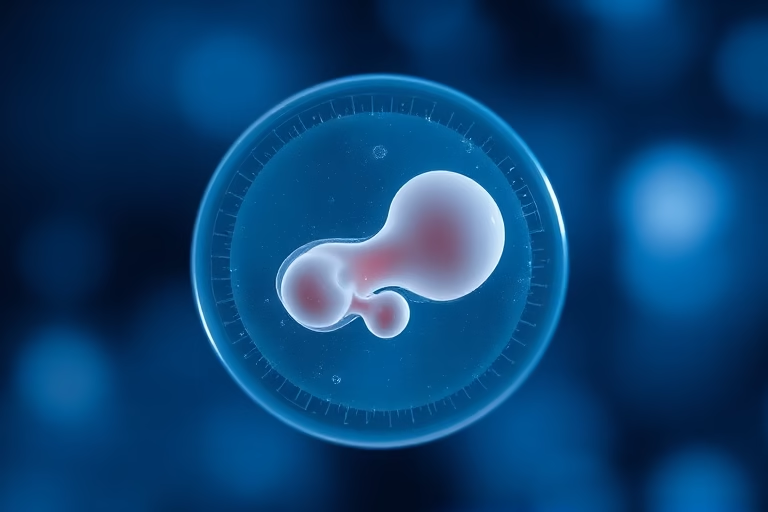
The topic of discussion is the second IVF cycle with frozen embryos. In-vitro fertilization (IVF) offers hope to many individuals and couples struggling with infertility. After undergoing the first cycle, some couples may find it necessary to consider a second IVF cycle, utilizing previously frozen embryos. This approach is commonly adopted when the first cycle did not yield a successful pregnancy or when individuals wish to try again with embryos that were created in the first cycle and are preserved for future use. Frozen embryo transfer (FET) can be a cost-effective option as it typically involves fewer medications and procedures compared to a fresh IVF cycle. Additionally, using frozen embryos can streamline the process and offer an opportunity to conceive without starting the entire IVF process from scratch. Understanding the intricacies and potential of a second IVF cycle involving frozen embryos is vital for those on this journey toward parenthood.
In this guide, we will explore relevant subtopics about the second IVF cycle with frozen embryos that can provide valuable insights for individuals considering this path.
Understanding Frozen Embryos
Frozen embryos are embryos that were created during the IVF process and have been cryopreserved for future use. This method allows couples to save embryos that may not have been used during an initial IVF cycle for later attempts at conception. Cryopreservation is a well-established technique, and the process ensures that these embryos remain viable for thawing and transfer when the time is right.
The first step in understanding frozen embryos is recognizing their significance in enhancing the chances of pregnancy during a second IVF cycle. Using embryos that have already been created can save time and reduce the physical and emotional toll on individuals pursuing fertility treatments. Additionally, advancements in freezing techniques have improved success rates for thawed embryos, making this an attractive option for many.
Frozen embryos offer multiple advantages, including the opportunity to undergo genetic testing before implantation, thereby increasing the chances of a successful pregnancy by identifying high-quality embryos. Moreover, opting for a frozen embryo transfer can facilitate better timing that aligns with an individual’s reproductive health, minimizing the risks associated with hormonal treatments typically required for fresh cycles.
The Process of Frozen Embryo Transfer
The frozen embryo transfer (FET) process entails several steps that differ from a fresh IVF cycle. Following the initial IVF cycle, the embryos are cryopreserved. In preparation for the FET, the individual’s menstrual cycle is monitored to measure hormonal levels for optimal timing.
One of the key considerations during FET is the preparation of the uterine lining. Hormonal medications, such as estrogen and progesterone, are often prescribed to ensure the uterine lining is adequately thickened to support implantation. These medications are essential as they create an environment conducive to the embryo successfully embedding itself into the lining of the uterus.
Once the uterine lining is prepared, the frozen embryo is thawed, and the transfer is conducted via a thin catheter placed into the uterus. This procedure is usually quick and performed in a clinical setting. After the transfer, individuals are typically monitored for a few weeks to determine if implantation has occurred, followed by a pregnancy test to confirm the results.
Understanding the FET process can alleviate some concerns individuals may have when considering a second cycle with frozen embryos. The methods employed aim to enhance the chances of achieving a healthy pregnancy, making it a popular option.
Success Rates of Second IVF Cycles with Frozen Embryos
Many individuals considering a second IVF cycle with frozen embryos often look for success rate statistics to gauge potential outcomes. The chances of pregnancy depend on several factors, including maternal age, quality of the frozen embryos, and any underlying infertility issues.
Studies have shown that the success rates of frozen embryo transfers can be comparable to or even higher than those of fresh embryo transfers. The quality of embryos preserved through cryopreservation has improved significantly over the years, leading to favorable outcomes. Clinics often analyze the grade of frozen embryos to anticipate the likelihood of a successful pregnancy once thawed.
One critical factor influencing success rates is maternal age, particularly the age at which the eggs that created the embryos were harvested. Younger women generally present higher success rates due to the better quality of their eggs. It is essential for individuals to engage with fertility specialists, who can provide tailored advice based on their unique circumstances, ensuring an informed approach to the second IVF cycle.
Additionally, lifestyle factors can also play a role in enhancing the chances of success. Maintaining a healthy lifestyle, including a balanced diet, regular exercise, avoiding smoking, and managing stress, can positively influence outcomes during an IVF cycle.
Emotional Aspects of a Second IVF Cycle
The journey of undergoing IVF treatments can be emotionally taxing. For many individuals, the attempt to conceive takes a significant toll on their mental well-being. Planning a second IVF cycle with frozen embryos may be accompanied by a mix of hope, anxiety, and uncertainty.
It is essential for individuals to prepare themselves emotionally for the possibility of various outcomes. Open communication with partners, seeking support from family and friends, and allowing oneself to express feelings may help in coping with the rollercoaster of emotions that accompany fertility treatments.
Counseling or joining support groups can also provide immense benefits. Speaking with others who have traversed similar paths can help individuals feel less isolated and gain insights into coping strategies for managing stress, anxiety, and disappointment.
Recognizing the emotional aspects of preparing for a second IVF cycle with frozen embryos is vital. Mental wellness contributes significantly to the overall success of the treatment process, and seeking professional help may boost one’s ability to navigate the challenging landscape of infertility.
Financial Considerations with FET
Cost is a significant factor for many individuals when considering a second IVF cycle using frozen embryos. Understanding the financial implications of fertility treatments can help in planning and decision-making. The cost of frozen embryo transfer is typically lower than that of a fresh IVF cycle. This reduction primarily arises due to a decrease in medications, as the body may not require as many hormones for a frozen embryo transfer.
However, assessing the total cost involves considering various components, including the fees associated with the cryopreservation of embryos, clinic charges, and any necessary pre-transfer testing. Additionally, some insurance plans may cover parts of the IVF process or specific medications, while others may not. It is crucial to consult with insurance representatives to gain clarity.
Budgeting for potential costs can alleviate stress and better prepare individuals for financial responsibilities. In many cases, fertility clinics may offer financing options or payment plans to assist those facing difficulties with upfront costs. Ensuring open communication with the fertility clinic regarding financial matters can provide peace of mind as couples navigate their fertility journey.
Preparing for a Second IVF Cycle
Preparation plays a crucial role in increasing the chances of success for a second IVF cycle using frozen embryos. Couples should begin by evaluating their mental and physical health. Engaging in regular exercise, eating nutritious meals, and adhering to a healthy lifestyle are components that contribute positively to the fertility journey.
Additionally, individuals should maintain open lines of communication with their healthcare providers. Regular check-ups can help monitor hormone levels and ensure that the body is in peak condition for embryo transfer.
Couples may also consider the timing of the FET. Planning transfer during times when both partners feel at their best can create a supportive environment that fosters success. Taking the time to assess emotional readiness and discussing any concerns with specialists can encourage informed decision-making.
Understanding that no two IVF journeys are the same can help couples manage expectations. Creating a personalized plan with their fertility specialist can provide clarity on what to anticipate during a second IVF cycle, aiding in preparation and confidence moving forward.
Legal and Ethical Considerations for Frozen Embryos
As more individuals opt for IVF and the use of frozen embryos, understanding legal and ethical considerations becomes paramount. Regulations surrounding the storage and use of frozen embryos can vary depending on jurisdiction, so individuals must familiarize themselves with these laws.
Legal considerations include determining ownership of embryos, especially in cases of relationship changes or disputes. Couples must take the time to contemplate scenarios that may arise regarding embryo usage in the future. Documenting decisions in a formal agreement can provide clarity and protection for both parties involved.
Ethical considerations also arise with the choice to discard or donate unused embryos. Couples should discuss their values and beliefs regarding embryo disposition before starting IVF treatments. It is vital for individuals to create a plan that aligns with their beliefs and comfort levels, fostering an ethical approach to fertility treatments.
Being informed about the legal and ethical frameworks surrounding frozen embryos empowers individuals to make choices that are right for them and ensures that they navigate the complex landscape of infertility with knowledge and understanding.
Resources and Support for IVF Patients
Support is key for individuals undergoing a second IVF cycle with frozen embryos. Many organizations provide resources, information, and community connections for individuals experiencing fertility challenges.
Reputable fertility clinics often have support networks in place, offering counseling services and patient support groups. These avenues provide opportunities for individuals to engage with others who understand the emotional and physical challenges of the IVF journey.
Online communities can also offer valuable support. Websites, forums, and social media platforms may serve as places to share experiences, gain knowledge, and receive encouragement from those who have encountered similar paths.
Additionally, educational workshops, webinars, and seminars conducted by fertility experts can be beneficial. These resources can provide current information on advancements in IVF technology and techniques, equipping individuals with knowledge that may assist in navigating their fertility journey more effectively.
Final Thoughts
Considering a second IVF cycle using frozen embryos can be a hopeful yet complex process. For many individuals facing infertility, this option provides a valuable opportunity to achieve the dream of parenthood, minimizing the challenges and costs associated with fresh cycles. Understanding the nuances of frozen embryo transfers, success rates, emotional aspects, financial implications, and preparing appropriately can significantly impact the journey.
As advancements in reproductive health technology continue to evolve, individuals and couples can look forward to improved success rates and increased support throughout the IVF process. Engaging in open discussions with fertility specialists can empower individuals to make informed decisions tailored to their goals.
Remember, the journey is unique for everyone, and finding supportive communities can alleviate feelings of isolation. Emphasizing mental wellness and emotional preparedness is equally as vital as the physical aspects of the journey. By prioritizing both emotional health and physiological readiness, individuals are more likely to navigate the second IVF cycle with renewed hope and resilience.
Frequently Asked Questions
1. What is the success rate of a second IVF cycle with frozen embryos?
Success rates can vary based on several factors, including the quality of the embryos, maternal age, and individual health. In many cases, frozen embryo transfers can have comparable or better success rates than fresh cycles.
2. How long can frozen embryos be stored?
Frozen embryos can be stored for several years, with regulations varying by location. However, the viability of frozen embryos decreases over time, which is why it is essential to follow a plan in a timely manner.
3. Are there any additional medications needed for a frozen embryo transfer?
Yes, hormonal medications such as estrogen and progesterone are typically needed to prepare the uterine lining for implantation during a frozen embryo transfer.
4. What should I expect during a frozen embryo transfer?
The frozen embryo transfer procedure is usually quick and involves placing a thawed embryo into the uterus using a thin catheter. It generally requires minimal downtime, and patients are monitored for pregnancy test results after a couple of weeks.
5. How can I emotionally prepare for a second IVF cycle?
Communicating openly with partners and considering professional counseling or joining support groups can help. Engaging in self-care practices, maintaining a healthy lifestyle, and surrounding yourself with supportive individuals also aid in emotional preparedness.
Further Reading
What Type of Psychotherapy Is Best for Anxiety?