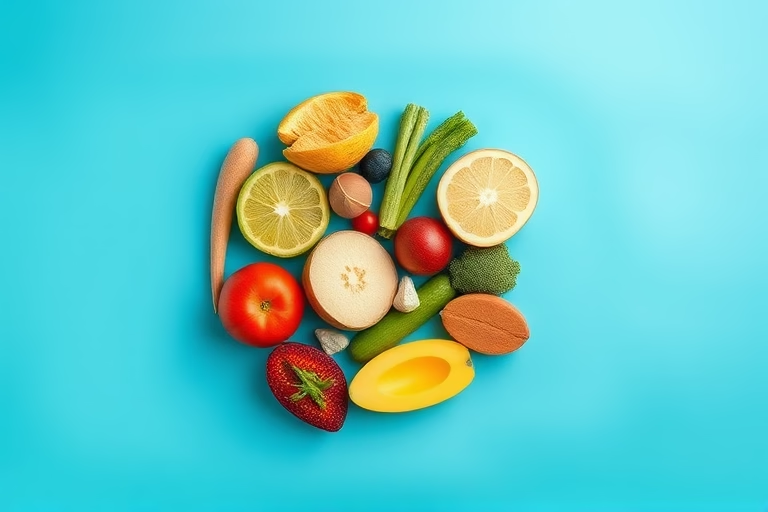
The process of in vitro fertilization (IVF) involves multiple steps where the key goal is successful implantation of the embryo into the uterus. A well-balanced diet can play a significant role in supporting this critical phase. Here we will be discussing foods to help implantation for IVF, as specific nutrients can enhance fertility, support the endometrial lining, and improve the chances of a successful pregnancy. A diet rich in antioxidants, healthy fats, proteins, vitamins, and minerals is vital in preparing the body for implantation.
The meaning of implantation in the context of IVF refers to the process where the fertilized egg (embryo) attaches itself to the lining of the uterus. For people undergoing IVF, the success of implantation is paramount, as it can determine the overall outcome of the fertility treatment. That’s why many healthcare professionals emphasize the importance of nutrition. Particular nutrients support blood flow to the uterus and the overall health of the reproductive system, which is essential during this stage. Foods rich in omega-3 fatty acids, folate, antioxidants, and other essential vitamins and minerals are beneficial.
1. Omega-3 Fatty Acids
Omega-3 fatty acids are essential fats that offer a multitude of health benefits, particularly in the context of IVF. These healthy fats aid in reducing inflammation and promoting improved blood flow. Rich sources include fatty fish such as salmon, mackerel, and sardines, as well as plant-based options like walnuts and flaxseeds. Incorporating omega-3 fatty acids into your diet may enhance the quality of the endometrial lining and fertility health.
Additionally, omega-3s play a vital role in reducing the risk of reproductive disorders and may help to support hormonal balance, which is crucial during the IVF cycle. A diet rich in omega-3 can also improve overall wellness, making it easier for individuals to cope with the physical and emotional demands of IVF.
To integrate more omega-3s in your diet, consider including fatty fish at least twice a week. If fish isn’t your preference, walnuts, chia seeds, and flaxseeds make excellent additions to smoothies or salads.
2. Antioxidant-Rich Foods
Antioxidants are powerful compounds that help combat oxidative stress, which can negatively affect egg and sperm quality. This makes them essential for individuals going through IVF. Foods rich in antioxidants include berries, dark chocolate, nuts, and green leafy vegetables. Berries offer vitamins C and E, which are known to enhance fertility by promoting a healthy reproductive system.
A diet that focuses on antioxidants can help protect the cells from harmful free radicals, thereby improving reproductive health. Foods such as spinach and kale are excellent sources of antioxidants as well, providing not just antioxidants but also essential vitamins that support overall health.
Including a variety of colorful fruits and vegetables in your diet can ensure you are receiving a broad spectrum of antioxidants. Try to incorporate berries, oranges, peas, and bell peppers regularly for a healthful boost.
3. Folate and Folic Acid
Folate, also known as vitamin B9, is crucial for DNA synthesis and repair, which is especially important during conception and early pregnancy. Foods high in folate include leafy greens, legumes, nuts, and fortified cereals. Folic acid supplements can also be crucial for women trying to conceive and are often recommended during IVF treatments.
A proper intake of folate supports healthy cell division and can lower the risk of neural tube defects in the developing fetus. Women should aim for at least 400 to 800 micrograms of folate daily when trying to conceive. Including folate-rich foods in a balanced diet ensures that the body is ready for the demands of pregnancy.
To maximize your folate intake, incorporate lentils, chickpeas, spinach, and asparagus into meals. Smoothies made with spinach or kale can be a delicious way to start your day while providing a folate kick.
4. High-Quality Proteins
Proteins are fundamental to cell repair, hormone regulation, and overall health. For those undergoing IVF, quality proteins can also support ovulation and embryo development. Opt for lean proteins, such as chicken, turkey, beans, and legumes, focusing on plant-based sources alongside animal proteins.
The right proteins can help maintain healthy body weight, which is crucial for fertility health. Over or underweight conditions can affect the quality of eggs and sperm. Including a combination of protein sources, such as quinoa and beans, can provide all the essential amino acids your body needs.
To incorporate high-quality proteins, consider grilled chicken for lunch or quinoa salads as a side dish at dinner. Smoothies blended with protein powder can also serve as a nutritious meal replacement or snack.
5. Whole Grains
Whole grains provide complex carbohydrates that are essential for energy. They help maintain stable blood sugar levels, which is vital for hormone balance during fertility treatments. Foods such as brown rice, oats, quinoa, and whole-grain bread contain vital nutrients like iron, fiber, and various B vitamins.
The benefits of whole grains are vast; besides being rich in fiber, they can also enhance digestion and encourage a healthy weight, both factors that play a role in fertility. Instead of refined grains, opting for whole grains can help create a nutrient-dense diet.
To include more whole grains, try adding quinoa or brown rice to your meals instead of their white counterparts. Whole grain oatmeal makes for a fantastic breakfast option that keeps you full longer.
6. Healthy Fats
While all fats are often viewed similarly, healthy fats are a critical component of a balanced diet for those undergoing IVF. Fats found in avocados, nuts, seeds, and olive oil are vital for cell health and hormone production. They can help support the reproductive system by improving blood flow and nutrient absorption.
Incorporating healthy fats can also aid in hormone regulation, which is particularly important in preparing for implantation. It is essential to differentiate between unhealthy trans fats and beneficial unsaturated fats that provide the body with necessary energy and nutrients.
Consider using olive oil in your salad dressings or snacking on nuts instead of sugary snacks to incorporate healthy fats into your diet.
7. Water Intake
Staying hydrated is paramount in maintaining optimal health, especially during IVF. Adequate water intake helps improve blood circulation, ensuring that vital nutrients reach the reproductive organs. It assists in flushing out toxins that can negatively impact fertility.
Dehydration can lead to various complications, including fatigue and poor digestion. It’s recommended to aim for at least eight 8-ounce glasses of water a day, adjusting based on individual activity levels and dietary needs.
To stay hydrated, enhance your daily water intake by adding slices of lemon, mint, or berries for flavor. Herbal teas can also provide hydration while offering additional health benefits.
8. Vitamin D
Vitamin D plays a crucial role in reproductive health, influencing hormone production and reproductive tissue function. Studies indicate that adequate levels of vitamin D are associated with improved fertility outcomes. Natural sources include sunlight, fatty fish, egg yolks, and fortified foods.
Maintaining optimal vitamin D levels can be a key factor in preparing the body for successful implantation during IVF. Vitamin D deficiency may lead to hormonal imbalances that impact fertility, making it essential to monitor levels and adjust your diet accordingly.
To take advantage of vitamin D, try incorporating fatty fish into meals a couple of times a week or opt for fortified dairy products. If dietary sources are insufficient, consider consulting a healthcare provider about supplementation.
9. Zinc and Iron
Zinc and iron are essential minerals that support reproductive health. Zinc is vital for hormone production, while iron helps enhance blood flow and oxygen transport to reproductive organs. Foods rich in zinc and iron include meats, shellfish, beans, nuts, and dark leafy greens.
A deficiency in these minerals can impair fertility, making them crucial to address in your diet, especially when preparing for IVF. Boosting zinc and iron intake can improve overall health, which is vital for a successful implantation.
Incorporate ground beef or lentils for zinc and spinach or cooked beans for iron into your meals for a balanced nutrient profile needed for fertility enhancement.
10. Adopting a Balanced Diet
The foundation for successful implantation lies in a balanced diet that incorporates all the aforementioned nutrients. A well-rounded diet rich in fruits, vegetables, lean proteins, whole grains, and healthy fats supports reproductive health and overall wellness.
Creating meal plans that include a variety of foods can help ensure that you are receiving all necessary nutrients. Avoiding excessive sugar, processed foods, and inflammatory substances can create a more conducive environment for implantation.
Make mindful decisions by planning meals ahead of time and preparing healthy snacks to keep you on track toward achieving optimal nutrition during the IVF process.
Final Thoughts
In conclusion, focusing on foods to help implantation for IVF is not merely about individual items; it is about creating a comprehensive nutrition strategy designed to enhance reproductive health. A well-balanced diet, rich in omega-3 fatty acids, antioxidants, folate, high-quality proteins, whole grains, healthy fats, and essential vitamins and minerals works in harmony to support the body’s ability to successfully conceive and sustain a pregnancy.
Implementing these nutritional strategies can help women achieve better outcomes in IVF by preparing the body for implantation. Maintaining hydration levels and ensuring adequate intake of key vitamins and minerals like iron, zinc, and vitamin D further strengthens one’s position for optimal reproductive health.
Overall, working with a healthcare provider or nutritionist can tailor a plan that focuses on individual needs, increasing the chances of successful implantation during IVF treatment. Processed foods, excessive sugars, and unhealthy fats should be minimized to create a fertile environment.
By making informed dietary choices, individuals can foster a healthy body capable of supporting the intricate processes of conception and pregnancy, paving the way for future generations.
Frequently Asked Questions
Further Reading
What Type of Psychotherapy Is Best for Anxiety?