respiratory system is the network of organs that help us breathe. It moves air in and out of our lungs. This process gives our body oxygen and removes carbon dioxide. The system has the nose, throat, voice box, windpipe, airways, and lungs.
Tiny sacs in the lungs make exchange of gases possible. Each breath takes air in and sends air out. The brain makes the chest muscles work. These muscles pull air in and push it out. Good lung health helps us stay active. It also helps us fight some infections. When the air is clean, the lungs work well. Things like smoke and pollution can hurt the lungs.
Germs can cause cough or fever. Teaming with the heart, the respiratory parts help the blood carry oxygen. When we exercise, we breathe faster and deeper. At rest, we breathe slower and soft. We will look at how the parts work, how they keep us safe, and when to get help. We will also share basic ways to keep the lungs in good shape. Knowing these ideas can help you stay well and know when to seek care. This guide will explain parts, how they work, common issues, and safe steps.
Key Takeaways
| Takeaway | Explanation |
|---|---|
| Core organs | Nose, throat, voice box, windpipe, airways, lungs |
| Gas exchange | O2 enters blood, CO2 leaves in air |
| respiratory system control | Brain and muscles drive breathing |
| Keep respiratory system healthy | Avoid smoke, use vaccines, get care |
Structure of the respiratory system
Upper Airway
The upper airway starts at the nose and mouth. It warms and filters the air. Hair and mucus trap dust and germs. The throat or pharynx is next. It leads air to the voice box or larynx. The larynx also helps us speak.
Lower Airway
The lower airway begins at the windpipe or trachea. It splits into two main branches or bronchi. Each bronchus leads to one lung. Small tubes called bronchioles branch out inside the lungs. These tubes carry air to tiny sacs.
Alveoli
At the end of each bronchiole are the alveoli or air sacs. They look like small balloons. The wall of each sac is very thin. Blood vessels wrap around the sacs. Oxygen passes through the sac wall into the blood. Carbon dioxide moves from the blood into the sacs to be breathed out.
How the respiratory system works
The respiratory system moves air in and out. Muscles and the brain work together. The diaphragm is a dome shaped muscle under the lungs. When it moves down, the chest space grows and air flows in. When it moves up, air flows out. Other muscles between the ribs help too. The brain stem sends signals to these muscles. Breathing can be faster with exercise or slower at rest.
Air travels in through the nose or mouth. It goes through the airway tubes. Clean air reaches the alveoli. Then gas exchange happens. Blood brings carbon dioxide to the sacs. It leaves the body when we breathe out. New oxygen goes from the sacs into the blood. The heart sends the oxygen rich blood to all parts of the body.
Common issues in the respiratory system
Many problems can harm the respiratory system. Germs can cause infections. Viruses like flu or COVID-19 can inflame the lungs. Bacteria may cause pneumonia. Chronic conditions like asthma or COPD narrow the airways. This makes it hard to breathe. Smoke and bad air quality can irritate the lungs. Allergies can trigger coughing or wheezing.
Infections
Infections can range from mild to severe. A cold may cause a stuffy nose and cough. Influenza can bring fever and body aches. COVID-19 may lead to tiredness and loss of taste. Pneumonia can cause chest pain and high fever. If you want more on infant care, see our upper respiratory infection in baby guide. It covers signs in young children.
Chronic Conditions
Asthma is when airways swell and tighten. Wheezing and short breath are common. COPD includes emphysema and chronic bronchitis. It often follows years of smoke exposure. In both, a doctor may give inhalers to open the tubes.
Environmental Triggers
Smoke from cigarettes or fires harms lung tissue. Pollution from cars and factories can worsen breathing. On days with poor air quality, listen to the Centers for Disease Control and Prevention advice on masks or staying indoors.
Allergies
Pollen, dust, and mold can irritate the airway lining. This can cause sneezing, cough, or tight chest. A health provider may suggest allergy medicine or air filters.
Symptoms and warning signs
Watch for a cough that lasts more than two weeks. Notice if you feel short of breath with little effort. Wheezing or a whistling sound when you breathe can be a sign. Chest tightness or pain with breathing needs care. High fever with cough or green mucus may mean pneumonia. If a child or older adult has these signs, get medical help fast. You can also read our respiratory infection telehealth page for remote care options.
Prevention and care
Good habits help the respiratory system stay strong. Never smoke and ask others not to smoke near you. Stay away from polluted air when you can. Go for regular shots for flu and pneumonia. The National Institutes of Health (NIH) states that vaccines cut down risk of serious illness. Wash your hands to stop spread of germs. Use a mask if air quality is bad or if you have a weak immune system.
- Avoid secondhand smoke and fumes
- Use a high quality air filter at home
- Stay up to date on recommended vaccines
- Practice good hand hygiene
Treatment considerations
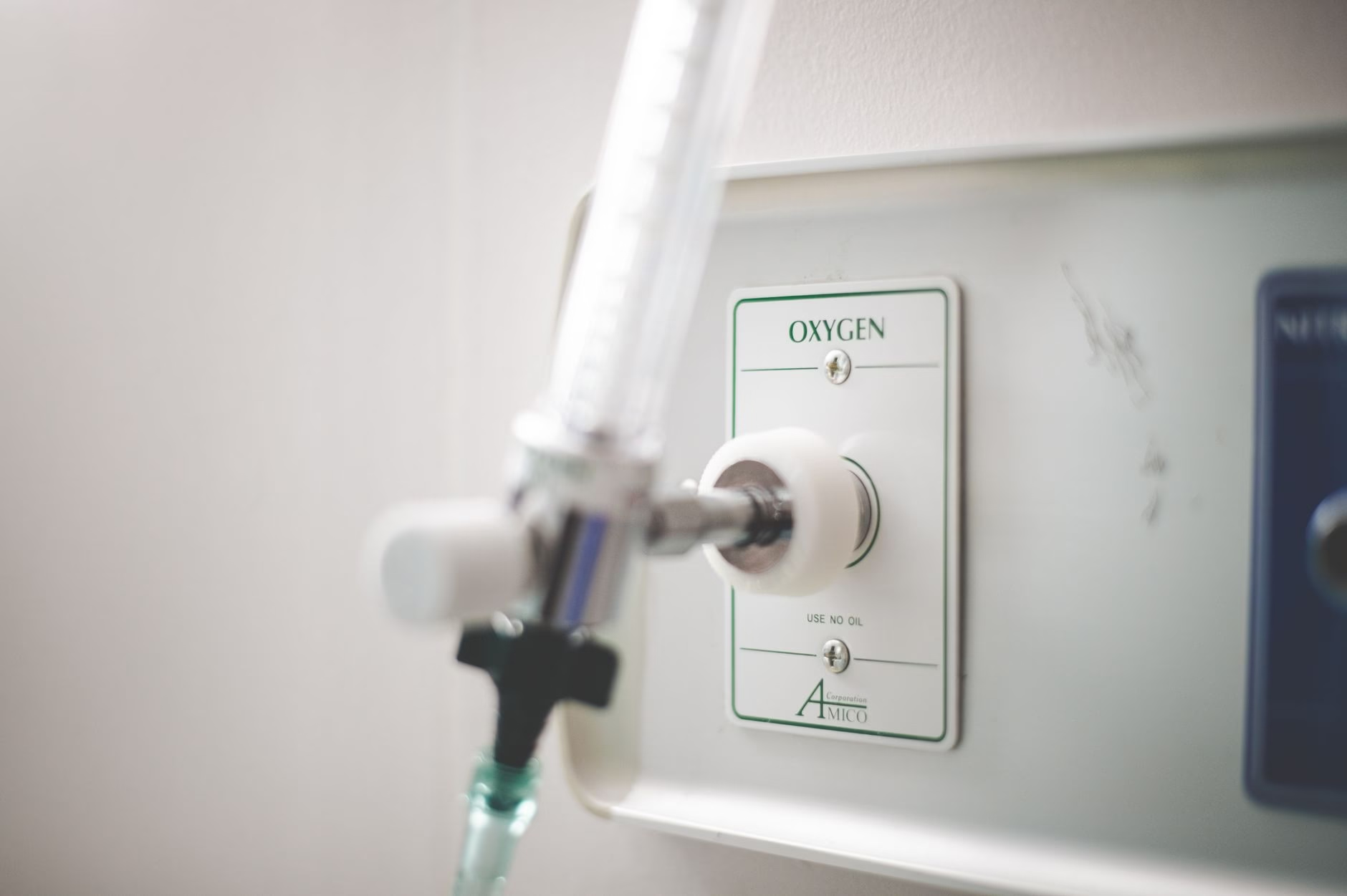
Some treatments can help the respiratory system heal. For asthma, inhaled bronchodilators open airways. Steroid inhalers reduce swelling. For bacterial pneumonia, a doctor may prescribe antibiotics. Overuse of antibiotics can harm good germs. Follow the dose and time your doctor gives you. For COPD, doctors may use oxygen therapy. Pulmonary rehab can help you learn breathing exercises.
- Use inhalers as shown by a health provider
- Avoid self prescribing antibiotics
- Attend pulmonary rehab if advised
- Follow action plans for chronic conditions
When to seek professional help
Call for help if you have severe short breath or chest pain. Seek care for confusion or blue lips. High fever with fast breathing needs medical review. If you cannot speak a full sentence, get urgent care. Pregnant people, infants, and older adults should get help early for any new breathing trouble.
Daily habits for lung health
Daily care of the respiratory system can help keep lungs clear. Go for walks to move the air in your lungs. Drink water to thin mucus. Eat a diet with fruits and vegetables. Avoid dust and pet hair if you have allergies. Clean air vents and change filters as advised.
- Do light exercise most days
- Stay hydrated
- Eat balanced meals
- Keep living areas clean
Conclusion
A healthy respiratory system is vital for life. It brings in oxygen and removes carbon dioxide. Knowing the parts and how they work can help you care for your lungs. Watch for warning signs and use safe treatments. Keep up good habits and get medical help when needed. Strong lungs help you live well each day.