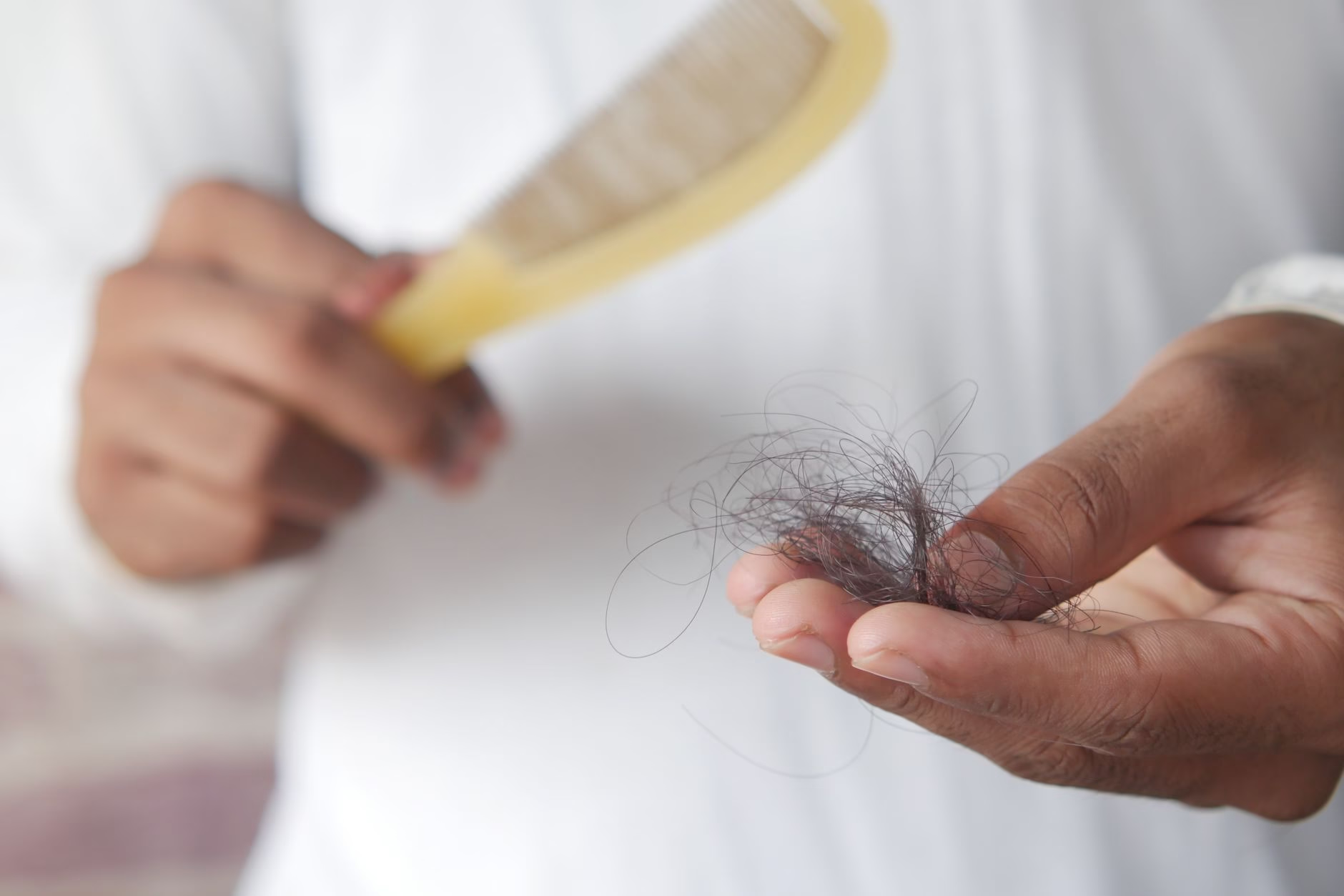
effexor hair loss is a topic that blends mood medicine with hair health, and many readers want clear guidance. This article explains what Effexor does, why hair loss might occur, and how people can respond safely while protecting mental health.
Readers should know that hair shedding can occur with many medicines, stress, or poor nutrition. Yet not everyone loses hair on Effexor, and patterns differ by person. This article uses plain language, clear steps, and careful, evidence-based ideas for safety.
People facing hair changes often worry about pills, doctors, and daily life. We will cover what causes hair loss in general, how Effexor could play a part, and ways to check signs that hair changes may need medical attention soon.
Throughout this piece, we emphasize safety, communication with doctors, and practical steps. We explain how to track hair changes, discuss nutrition and stress, and outline options if the hair loss is linked to Effexor or other factors for long-term care.
We aim to help readers understand timing, risks, and benefits. This approach supports meaningful conversations with clinicians, shelters self-care, and reduces fear. If hair changes occur, you can act calmly, collect data, and discuss options with confidence in your care.
| Key Takeaway | Why it matters |
|---|---|
| Monitoring helps catch changes early | Regular check-ins with a clinician can identify whether a change is linked to the medication or another cause, guiding decisions about dose, timing, or alternatives such as switching medicines. |
| Hair loss from medications is not universal | Many people continue treatment without noticeable hair changes; individual differences in biology, nutrition, and stress levels influence risk, making personalized care essential. |
| Reversibility is possible with care | In some cases, adjusting the dose or changing the medication can lead to improvement, but professional guidance is essential to avoid withdrawal or mental health setbacks. |
| effexor hair loss requires thoughtful action | Planning with a clinician helps balance mental health benefits and potential hair changes, ensuring safe steps and possible alternatives when needed. effexor hair loss |
effexor hair loss: Understanding the Link
Effexor belongs to a class of antidepressants called SNRIs. It helps regulate mood, anxiety, and certain nervous system signals. Hair health is usually not the main goal of this medicine, yet some people report changes in hair growth or shedding while taking it. The balance between benefits and side effects is unique for each person.
Clinical reports describe hair loss linked to various antidepressants, including venlafaxine, the active ingredient in Effexor. The actual mechanism remains unclear. Some researchers suspect that shifts in serotonin and norepinephrine can influence hair follicle cycles or immune interactions that support hair growth.
For readers, this section clarifies how hair loss might occur within a broader context. It is not a universal side effect, and many people experience no hair changes at all. Nutritional status, stress levels, and other health conditions all interact with medication effects.
In clinical practice, doctors often look at hair changes by evaluating the timeline, pattern, and other symptoms. A slow thinning pattern over months may suggest a different cause than sudden patchy bald spots. Hair loss can reflect many factors beyond medication alone.
Physicians may discuss timing, dose adjustments, or alternative therapies when signs arise. They may suggest laboratory tests for iron, thyroid function, and vitamin levels to identify contributing factors. Clear communication helps ensure that mental health support remains steady while addressing hair concerns.
How effexor hair loss may arise
Several theories exist about why effexor hair loss may occur for some patients. One idea involves changes in neurotransmitters that exert subtle effects on hair follicle cycles. Another possibility points to immune responses or inflammatory processes that sometimes accompany medication exposure.
Patients may notice hair shedding as a gradual decrease in overall hair density, or as small patches in certain scalp areas. The timing can vary from weeks to months after starting therapy, and it may flare with dose increases or rapid changes in treatment plans.
Some people experience hair shedding after stopping medication, followed by regrowth when the body adjusts to a new regimen. The overall pattern matters because it helps clinicians decide whether a reversible adjustment is appropriate or if a different treatment is needed.
Managing effexor hair loss: practical steps
Effective management starts with a careful plan created with a healthcare professional. First, document hair changes, noting the date of onset, pattern, and any other symptoms. This record helps clinicians determine whether effexor hair loss is likely involved.
Second, discuss dose changes with a clinician. In some cases, lowering the dose slightly or switching to another antidepressant with a similar effect may reduce hair loss risk while preserving mood benefits. Abrupt changes are not advised due to withdrawal risks.
Third, review nutrition and health factors. Adequate protein intake, iron, zinc, and vitamins support hair growth, while chronic stress may worsen shedding. A balanced diet and stress management help support overall well-being during treatment.
Fourth, consider non-drug strategies. For some individuals, gentle scalp care, avoiding tight hairstyles, and protecting hair from heat can reduce further breakage and support healthier hair appearance. These actions complement medical decisions rather than replace them.
Fifth, assess alternative therapies with a doctor. Some patients may benefit from switching to non-venlafaxine options with lower hair loss risk, while others can try adjunctive treatments that do not interfere with mood stabilization.
What is Effexor?
Effexor is a prescription antidepressant that belongs to the SNRI family. It works by influencing brain chemicals like serotonin and norepinephrine, helping to lift mood and reduce anxiety. It comes in several forms and is used for depression, anxiety, and related conditions.
Typical dosing depends on the condition treated, age, prior therapies, and how patients respond. The doctors tailor the dose to achieve symptom control while limiting side effects. People often start with a low dose and slowly adjust as needed.
Most people tolerate Effexor well when used as prescribed, but common side effects can include nausea, insomnia, increased blood pressure, or dizziness. Hair changes are reported but are not universal, and many individuals do not experience them at all.
Regular monitoring is important. Blood pressure, mood, and overall health should be watched during therapy. Any new symptoms or unusual changes call for a conversation with the clinician to ensure safety and continued effectiveness.
Understanding how this medication works helps patients make informed choices about their treatment. It also supports better conversations with doctors about any hair concerns, so plans can be adjusted in a controlled, safe manner.
Hair Loss as a Potential Side Effect
Hair loss is a reported side effect for some antidepressants, including Venlafaxine. It is considered less common, meaning many patients do not notice this problem. The exact frequency varies by study, patient population, and how thoroughly hair changes are assessed.
When hair loss occurs, doctors examine the pattern: whether it is diffuse thinning across the scalp, focal patches, or shedding that begins after starting medication. Such patterns help distinguish medication-related hair loss from other causes like hormonal changes or nutritional issues.
Researchers emphasize that hair loss linked to Effexor is usually reversible. In many cases, stopping the medication or adjusting the dose leads to hair regrowth. However, decisions about stopping or changing therapy require careful assessment by a clinician to protect mental health.
Readers can pursue actions that support hair health while staying on a needed antidepressant. Adequate nutrition, stress reduction, and regular medical follow-up improve outcomes. Health professionals may also investigate other contributing conditions, such as thyroid disease or iron deficiency.
For those seeking more information, professional resources and patient education materials provide additional context. For example, pharmacology references and patient guides discuss side effects and management strategies. See external resources from respected health authorities for reliable guidance.
Establishing the Connection
A reasonable approach is to evaluate timing and accompanying symptoms. If someone notices hair loss after starting Effexor, a healthcare provider may review the dosage, duration, and other medicines. They also consider hair cycle biology and possible contributing illnesses.
Case reports in scientific literature offer insights but cannot predict outcomes for any individual. Individual response varies. The clinician may track response to dose adjustments and look for signs that hair loss improves once the system stabilizes.
Other factors, such as stress, sleep, nutrition, and hormonal status, influence hair growth. While a medication may play a role, it is seldom the only cause of hair changes. A careful medical workup helps clarify the responsibility of Effexor.
Well-Supported Facts
Clinical trials and post-market data show hair loss can occur with antidepressants, including venlafaxine. The data suggest hair loss is not universal and tends to be reversible with dose changes or discontinuation under medical supervision.
In many cases, hair regrowth follows the withdrawal or switch to another therapy. The extent and timing of recovery depend on biology, treatment choices, and how quickly changes are made under oversight. The variability across individuals is real.
Researchers discuss potential mechanisms, including neurotransmitter alterations and immune responses. These ideas guide future studies but do not provide a single, proven cause. The available evidence supports cautious, individualized decision-making for patients experiencing hair changes.
Patients and clinicians should balance the benefits of symptom relief with the risk of hair changes. Ongoing monitoring and a collaborative approach help ensure that mood stabilization remains strong while minimizing adverse effects, including potential hair loss.
Areas of Uncertainty
Despite advances, the exact biological pathways behind effexor hair loss remain unclear. Individual genetics may influence susceptibility, and interactions with nutrition and autoimmune processes could explain why some people are affected while others are not.
Researchers acknowledge that reporting bias and varied definitions of hair loss make comparisons challenging. More standardized studies are needed to determine precise incidence rates and to identify subgroups of patients who are at higher risk.
Scientists also explore whether certain coexisting conditions or medications amplify chances of hair loss. Until clearer answers emerge, clinicians rely on careful observation, patient history, and a personalized plan for each case.
Prevention and Management
Preventive steps include regular clinician visits, careful tracking of hair changes, and attention to nutrition. Staying well nourished supports hair follicles and general health, while stress management can reduce shedding related to hormonal shifts.
Health care providers may adjust the Effexor dose or switch to a different antidepressant with a similar therapeutic profile. The goal is to maintain mental health gains while minimizing side effects. Dose changes should never be made without professional guidance.
Alternative strategies include adding adjunctive therapies that do not interact with mood stabilization. Some patients benefit from non-drug approaches such as scalp massage, gentle hair care routines, and protective hairstyles that reduce damage to hair shafts.
Readers should consider asking about other medications and supplements that may affect hair health. They should also check for causes like iron deficiency or thyroid issues. A comprehensive plan helps address hair loss without undermining mental health benefits.
In some instances, clinicians may advise temporary cessation of Effexor to clarify causality. This decision requires close supervision because stopping antidepressants suddenly can cause withdrawal symptoms. A careful, stepwise plan reduces risk and supports safe care. effexor hair loss
When to Seek Professional Help
Seek medical attention if experiencing sudden or severe hair loss, signs of allergic reactions, or other concerning side effects. Do not discontinue Effexor abruptly without medical guidance due to withdrawal risks. A clinician can assess risks and coordinate care.
If hair changes are accompanied by new skin rashes, swelling, difficulty breathing, or fevers, seek urgent help. These could indicate an allergic reaction or another condition needing prompt treatment.
Persistent thinning over weeks or months also warrants medical review. The clinician can rule out other causes and discuss options for protecting health while maintaining mental health treatment.
People should not stop antidepressants on their own. A gradual taper, medical supervision, and a plan for alternative therapies protect both mood and hair health.
Summary and Takeaways
The balance between treating mood disorders and managing potential side effects requires careful, ongoing discussion with a health professional. Understanding hair changes in the context of Effexor helps readers stay informed and safer in daily life.
Ultimately, patients learn to monitor symptoms, seek guidance when needed, and keep a focus on overall health. Clear communication with clinicians supports steady mental health care while addressing concerns about hair changes. effexor hair loss
Frequently Asked Questions
Does Effexor cause hair loss?
Yes, hair loss has been reported as a potential side effect, but it is not common and varies among individuals. Careful monitoring and medical guidance help determine whether Effexor plays a role in any hair changes.
How common is hair loss with Effexor?
Studies suggest it is a relatively rare side effect, affecting a small percentage of users. The exact rate depends on the population studied, reporting methods, and how hair loss is defined and measured in clinical settings.
Is Effexor-induced hair loss reversible?
In most cases, hair loss improves or resolves after stopping or adjusting the medication under medical supervision. Reversibility depends on several factors, including how quickly a clinician adjusts the dose and the individual’s biology.
What are signs that Effexor is causing my hair loss?
Gradual thinning over weeks or months, patchy hair loss, and the absence of other clear causes may suggest medication involvement. A careful medical evaluation helps distinguish drug-related hair loss from shedding due to other conditions.
Can I prevent hair loss while taking Effexor?
While not always preventable, maintaining good nutrition, managing stress, and regular medical check-ins can help. Discussing prophylactic measures with a clinician is important to preserve both mood control and hair health.
What should I do if I experience hair loss on Effexor?
Consult your healthcare provider; do not stop medication abruptly. They may adjust your dose or recommend alternatives. A personalized plan minimizes risks and supports continued mood stabilization and hair health.
Are there alternative medications with less risk of hair loss?
Other antidepressants may have different side effect profiles; discuss options with your doctor. The best choice depends on your symptoms, health history, and the risk-benefit balance for your situation.
Is hair loss from Effexor permanent?
Typically, no. It usually reverses after discontinuing or changing the medication, but a clinician should guide any changes to avoid withdrawal or mood destabilization.
Sources
MedlinePlus – Effexor (venlafaxine)
Mayo Clinic – Venlafaxine (Effexor)
Journal of Clinical Psychiatry – Side Effects Summary
Internal links within the article:
For more on Effexor side effects in specific groups, see our page: Effexor side effects in women.
For sleep-related concerns during Effexor treatment, read: Effexor insomnia.
Learn about withdrawal symptoms on Effexor: Effexor withdrawal symptoms.
Related topic on Cymbalta hair loss: Cymbalta hair loss.
Further discussion on Cymbalta side effects in women: Cymbalta side effects in women.