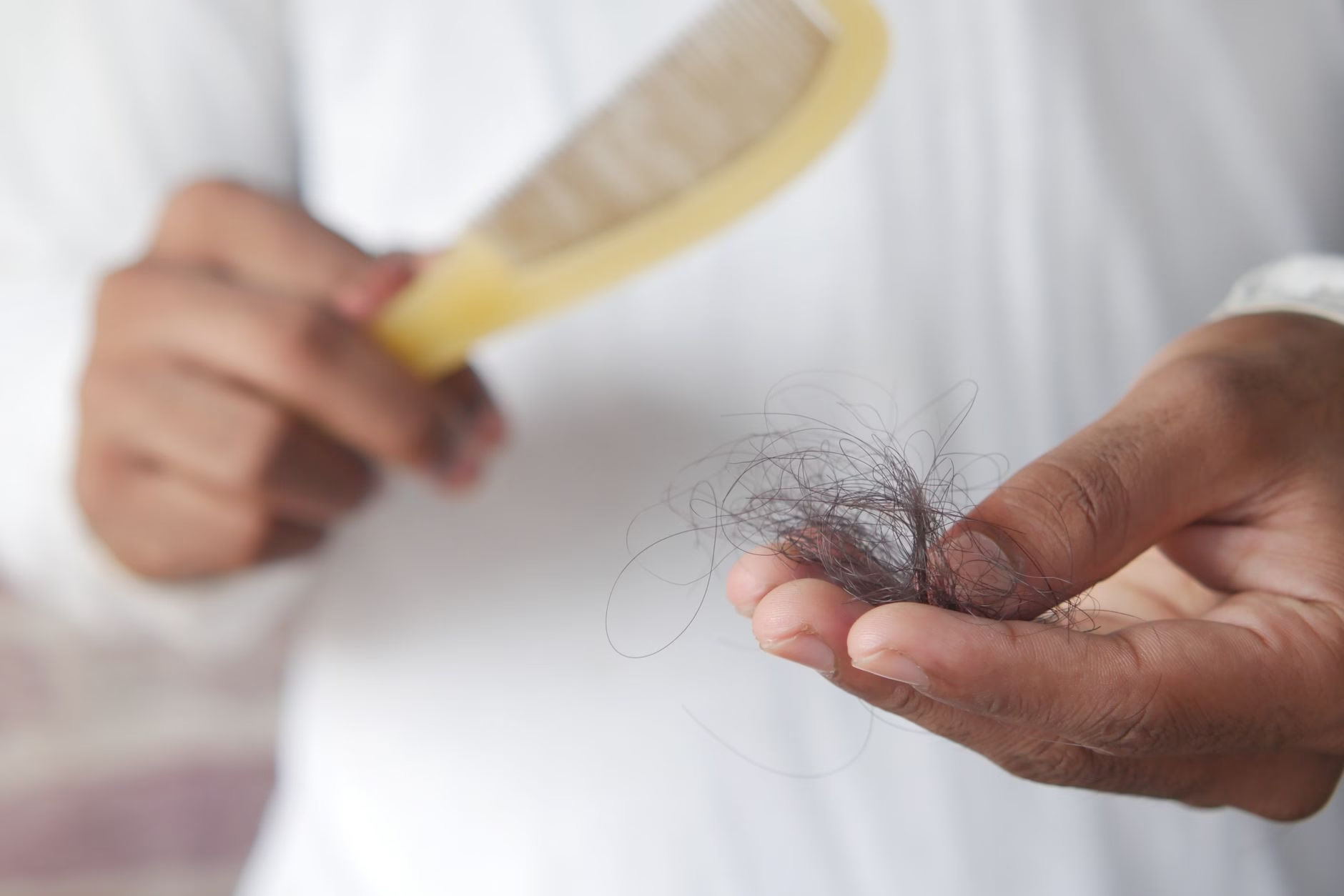
cymbalta hair loss concerns patients taking duloxetine for mood, pain, and nerve symptoms. This article explains what is known about potential hair thinning linked to Cymbalta, how doctors assess it, and what steps readers can take to protect scalp health.
People often ask whether hair loss is a typical side effect of antidepressants. While some reports exist, current science does not show Cymbalta as a common cause. The risk, when present, usually mirrors broader patterns seen with stress-related shedding episodes.
Hair loss linked to medications often involves telogen effluvium, a temporary thinning phase caused by stress to hair follicles. This process can arise after dosage changes, illness, or stress. Understanding this pattern helps people separate drug effects from other causes.
Does cymbalta hair loss occur? Research shows limited evidence directly linking duloxetine to hair loss, and most reports are anecdotal. Doctors emphasize that individual reactions vary, and hair growth often resumes after adjusting or stopping a medication under supervision.
Hair loss is not a simple, one-size-fits-all matter. A careful approach uses medical history, current health, and practical steps to support scalp health while continuing necessary care for mood or pain symptoms. Readers deserve clear, evidence-based guidance for safety.
Key Takeaways
| Takeaway | Notes |
|---|---|
| Incidence | Hair loss is uncommon in people taking duloxetine; cymbalta hair loss appears infrequently in reports. |
| Management | If cymbalta hair loss occurs, consult a clinician before changing dose or stopping treatment. |
cymbalta hair loss: what patients should know
Many patients report hair changes after starting Cymbalta, yet proof remains inconsistent. This section explains how doctors view hair shedding in relation to duloxetine and what signs help separate a drug effect from natural hair cycles. Early observation guides steps.
Patients monitor shedding patterns and consult a clinician when hair loss seems abrupt or persistent. Keeping a diary helps identify timing related to dose changes, illness, or stress. For example, tracking weeks after dose adjustments can clarify cymbalta hair loss.
Doctors may review medications, nutritional status, and thyroid function to explain hair changes. They may order blood tests or examine the scalp to rule out conditions such as thyroid disease, iron deficiency, or autoimmune issues. This approach helps avoid conclusions.
Some people experiencing cymbalta hair loss notice better results with balanced nutrition and scalp-friendly routines. A diet rich in protein, iron, zinc, and B vitamins supports strand growth. Gentle washing, minimal heat styling, and mild products reduce irritation and breakage.
If cymbalta hair loss worsens, a clinician may adjust dose, switch to another antidepressant, or add a treatment to help hair regrow. It is important to avoid stopping Cymbalta suddenly, as this can cause withdrawal symptoms and mood changes too.
Researchers and patients note that cymbalta hair loss varies widely among individuals. Regular check-ins, realistic expectations for regrowth, and patience support resilience. Combining medical advice with gentle scalp care keeps a plan practical during any treatment.
Finally, watch for signs where cymbalta hair loss worsens quickly or causes distress. If shedding is heavy or patchy, contact a dermatologist or prescriber. Early professional evaluation helps tailor tests and treatments for hair and scalp health.
cymbalta hair loss is a topic many readers will encounter in conversations with their healthcare providers. Understanding how this issue relates to a broader health picture helps people make thoughtful decisions about medications, nutrition, and self-care. The goal is to protect overall health while honoring treatment needs.
In daily life, practical steps can support hair health during treatment. Regular meals, hydration, and adequate protein help supply materials for stronger strands. Gentle hair routines reduce mechanical stress on follicles. People should monitor symptoms and discuss concerns with clinicians.
Beyond personal actions, medical teams use objective measures to assess hair health. Clinicians may measure shedding volume, inspect the scalp for density changes, and review concurrent therapies. The aim is to separate a drug signal from normal hair growth cycles.
When hair changes appear, it is wise to document the timeline. Note the start of Cymbalta, any dose changes, illnesses, or stressors. This information often guides decisions about whether to adjust treatment or try alternative strategies under supervision.
Nutrition plays a supportive role in hair growth. Sufficient protein, iron, zinc, and certain vitamins contribute to follicle strength. A balanced diet complements medical care and can reduce the likelihood of additional hair shedding during treatment.
Many patients benefit from gentle scalp care. Mild shampoos, avoidance of harsh dyes, and reduced heat styling minimize irritation. People should choose products that suit their hair type and consult professionals if scalp discomfort develops.
For some, lifestyle factors such as sleep quality and stress management impact hair health. Adopting routines that support relaxation and resilience can indirectly influence hair outcomes during Cymbalta use. Clinicians may suggest stress-reduction approaches as part of care.
Access to reliable information is essential for decision making. Readers should review official resources and consult their doctors before changing any antidepressant or pain medication. Evidence-based planning helps people balance mental health goals with hair health and quality of life.
In rare cases, hair loss may be a signal of another medical condition. If shedding is sudden, severe, or accompanied by other symptoms, a healthcare provider should conduct a thorough evaluation to rule out thyroid disease, nutritional deficiencies, or dermatologic issues.
Healthcare decisions should be personalized. Each person’s medical history, genetic background, and current health status influence risk for hair changes. A patient-centered approach prioritizes safety, mood stability, and hair health while respecting treatment needs.
Understanding the relationship between Cymbalta and hair is a collaborative process. Patients benefit from clear communication, evidence-based guidance, and timely medical support. With careful monitoring and planned actions, many people continue therapy with minimized concerns about hair health.
Nutrition and scalp care are ongoing priorities. As people maintain stable routines, they can better manage hair health alongside treatment. Continual check-ins with healthcare teams ensure that plans stay aligned with evolving clinical information and patient experiences.
Readers should recognize that hair health is multi-factorial. Genetics, hormones, medications, and lifestyle all contribute. A thoughtful approach blends medical guidance with practical self-care, aiming to preserve both physical appearance and overall well-being during Cymbalta therapy.
Frequently Asked Questions
Does duloxetine cause hair changes?
Hair changes are reported rarely with duloxetine. Many cases involve other factors such as stress, illness, or nutritional status. If you notice hair changes, discuss them with your clinician so they can assess timing and potential contributors.
How common is hair loss with Cymbalta?
Hair loss is not a common side effect in most patients. Reports are largely anecdotal, and clinicians consider multiple factors before linking hair changes to duloxetine use. A comprehensive evaluation helps determine the likely cause.
Can stopping Cymbalta reverse hair loss?
Discontinuation or dose changes should be done under medical supervision. Hair regrowth timelines vary, and some people see improvement after adjustment. A clinician can guide safe tapering or alternative therapies while monitoring mood and physical health.
Are there risk factors that increase hair loss while taking medicines?
Genetics, nutritional deficiencies, hormonal changes, and other meds can raise the chance of hair loss. Clinicians assess overall health, medications, and lifestyle to identify potential contributors and plan appropriate prevention or treatment steps.
What other medications are linked to hair loss?
Several antidepressants and cancer therapies have associations with shedding in some individuals. Specific links vary by drug and person. Review current medications with a clinician to identify possible contributors and discuss safer options if needed.
What should I do if I notice hair loss while on Cymbalta?
Document changes, timelines, and any new symptoms. Seek medical advice to assess causes and rule out conditions. If appropriate, your clinician may adjust treatment or suggest hair-friendly strategies like gentle care, nutrition support, and scalp care.
Sources
U.S. Food and Drug Administration
National Institutes of Health (NIH) – MedlinePlus
Mayo Clinic – Cymbalta (Duloxetine)
Drugs.com – Cymbalta Side Effects
American Academy of Dermatology Association