paxil hair loss is a concern some patients raise when starting Paxil (paroxetine), a prescription SSRI used for depression and anxiety. This article explains what hair changes may happen, how likely they are, and what steps help protect hair health.
Hair loss is not among Paxil’s most common side effects, yet some individuals report thinning or shedding after starting treatment. The reasons are not fully clear, but hormonal shifts, immune responses, and nutritional factors linked to the medication may contribute.
Many affected people see hair regrowth after adjustments in medication or time. Because hair cycles and stress levels vary, a clear plan with a clinician helps distinguish Paxil-related changes from natural shedding or other conditions that resemble hair loss symptoms.
Studies of SSRIs provide mixed signals about hair effects. The evidence comes mainly from patient reports and pharmacovigilance databases rather than large, controlled trials. Readers should use medical guidance to interpret any hair changes and to rule out other causes that mimic hair loss.
In the following sections we cover types of hair loss, possible triggers beyond medications, practical prevention ideas, and how doctors diagnose and manage Paxil-related changes. The goal is to help readers feel informed, supported, and safe while seeking care together.
Key Takeaways
| paxil hair loss | Some people experience thinning while taking Paxil, but changes are not universal and may reverse with medical supervision. |
| paxil hair loss | Monitor hair changes after starting Paxil and discuss concerns with a clinician before stopping treatment. |
Does paxil hair loss occur?
Evidence connecting Paxil to hair loss is limited in large-scale trials. Researchers rely on patient reports and pharmacovigilance data to understand possible associations. Some individuals notice hair thinning during the first weeks or months of therapy, while others do not.
Possible mechanisms are not fully understood. Hormonal shifts, immune responses, and nutritional changes linked to Paxil could contribute to hair shedding in a minority of patients. Distinguishing medication effects from natural hair cycle variations is important for accurate assessment.
Doctors often assess hair changes by reviewing medication history, ruling out thyroid or iron deficiencies, and noting stress levels. When hair loss occurs, it may be reversible with dose adjustments, timing changes, or a switch to another medication under supervision.
In practice, patients are advised to avoid abrupt discontinuation of Paxil, because withdrawal symptoms can complicate mood stability. If hair changes appear, a clinician can help plan steps that address both mental health and hair health safely.
Understanding Paxil-related hair changes requires patience, careful observation, and collaboration with healthcare providers. The goal is to protect overall well-being while exploring reasonable steps to manage hair health without compromising psychiatric care.
Understanding hair loss in context
Hair loss happens for many reasons. Androgenetic alopecia, telogen effluvium, and autoimmune conditions can all affect shedding patterns. Stress, illness, nutrition, and medications interact to shape how hair grows, thins, or falls out.
Androgenetic alopecia tends to follow a genetic pattern and occurs slowly over time. Telogen effluvium is a temporary shedding response to a trigger like illness or stress. Alopecia areata is an autoimmune condition that can cause patchy hair loss. Each type has different clues for doctors.
When people are under mental health stress or dealing with chronic anxiety, fluctuations in hormones and scalp blood flow may indirectly influence hair growth. Understanding these factors helps separate medical treatment effects from other hair loss triggers.
Readers may notice that hair health tracking helps. Noting the day of symptom onset, changes in diet, and any new supplements provides helpful information for clinicians. This practice supports clearer conversations about hair health alongside mood management.
For readers who want more context, consider discussing hair health alongside sleep, nutrition, and thyroid checks. Linking these factors allows a broader, practical approach to wellbeing and can guide decisions about continuing, adjusting, or changing Paxil therapy.
Treatments for paxil hair loss and related concerns
When hair changes occur, clinicians may consider several routes. Some patients benefit from dose adjustments, a slower taper, or a switch to a different antidepressant with a different hair risk profile. Each option requires careful discussion of risks and benefits.
Topical therapies, nutritional optimization, and addressing underlying health issues can support hair health. Vitamin and mineral status, iron, zinc, and vitamin D levels are commonly checked, as deficiencies can contribute to shedding and slower regrowth in some people.
Any plan to treat Paxil-related hair changes should include monitoring for mood symptoms. Changing a psychiatric medication can affect stability. Patients should avoid stopping Paxil abruptly and should coordinate changes with their prescribing clinician to maintain safety.
Some patients pursue alternatives such as non-Paxil SSRIs with different side effect profiles, or non-SSRI options. Choices depend on the individual, the condition treated, and the clinician’s assessment of hair-related risks and overall health goals.
Beyond medication choices, scalp care practices, gentle hair care routines, and reduced chemical exposure support hair health. Using mild cleansers, avoiding tight hairstyles, and limiting heat styling can help reduce further shedding during medication adjustments.
Common causes of hair loss
Hair loss is often the result of multiple factors. Medications, hormonal changes, nutritional status, autoimmune conditions, and stress can all play a role. SSRIs like Paxil are one potential contributor in some people, though they are not the only cause.
Medications aside from Paxil, including other antidepressants, thyroid medicines, and chemotherapy, can disrupt hair growth cycles. When those medicines are part of a broader treatment plan, hair changes may reflect combined effects rather than a single cause.
Hormonal shifts during puberty, pregnancy, menopause, or thyroid disorders commonly affect hair density. Nutritional deficiencies from inadequate iron intake or poor absorption can also contribute to shedding. Evaluating diet, health history, and lab tests helps clarify the picture.
Autoimmune factors such as alopecia areata can cause patches of hair loss. Infections or illnesses that push the body into a stressed state may trigger temporary shedding. Understanding the context of these triggers helps identify appropriate interventions with clinicians.
Lifestyle aspects—such as chronic stress, lack of sleep, and poor nutrition—can worsen hair health. Practical steps include stress management, sleep hygiene, balanced meals, and, when needed, dietary guidance from a clinician or nutritionist to support growth.
Recognizing symptoms of hair loss
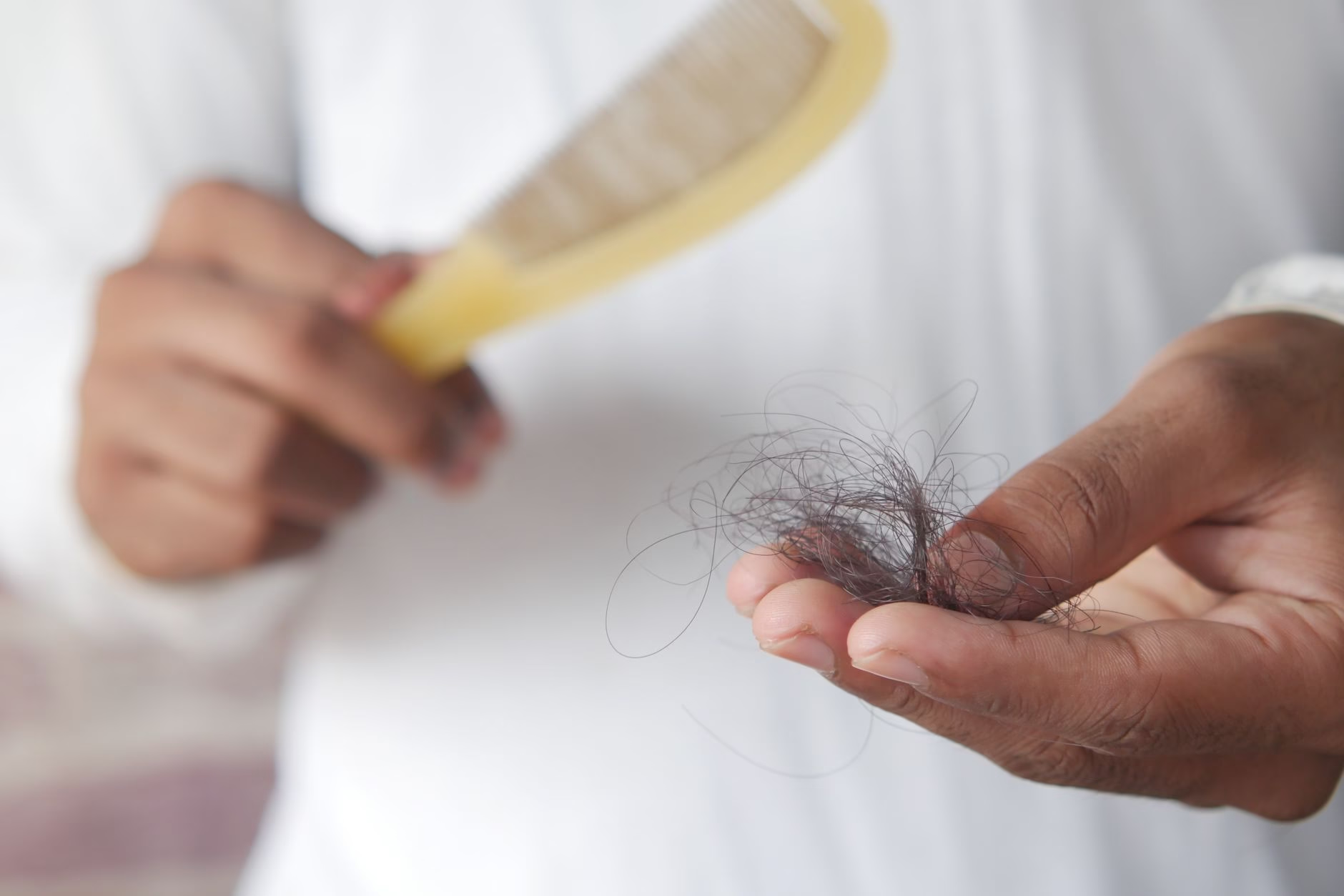
Patterns matter when recognizing hair loss. Diffuse thinning around the scalp, more noticeable shedding when washing, or patches of missing hair can signal different conditions. Early identification helps with timely evaluation and appropriate treatment planning.
It is common to notice more hair in brushes or on pillowcases during periods of stress or illness. If shedding continues for several weeks or months, or if bald patches appear, seeking professional evaluation is important to rule out autoimmune or hormonal causes.
Warning signs include sudden, rapid shedding or a large amount of hair loss, scalp redness, burning, or itching. These symptoms may indicate infection, inflammation, or an allergy that requires medical care. A clinician can guide the next steps in assessment.
Reader questions about hair health can be addressed through primary care, dermatology, or psychiatry teams. A thorough approach typically combines history, physical exam, blood work, and, if needed, a scalp biopsy to clarify a diagnosis and plan care.
Prevention and management
Prevention focuses on minimizing triggers and supporting the hair growth cycle. Regular scalp care, a nutrient-rich diet, and stress reduction all play roles. Simple routines can help protect hair integrity while treatments are planned with a clinician.
Monitoring hair changes after initiating Paxil is advisable. Keeping a simple diary of shedding, new growth, and stress levels helps doctors evaluate whether hair changes are medication-related or due to other factors that need attention.
Professional guidance is essential before stopping Paxil or changing strategies. An abrupt change can cause mood instability. Treatments may include adjusting the dose, switching medications, or treating underlying conditions like thyroid disease or iron deficiency.
In addition to medical management, patients can explore gentle hair care techniques. Using mild shampoos, minimizing heat exposure, avoiding tight hairstyles, and protecting hair from environmental damage can support hair health during treatment transitions.
Diagnosis and treatment options
A clinician typically starts with a medical history review, physical exam, and targeted tests. Blood work to check thyroid function, iron, zinc, and vitamin levels helps identify reversible contributors to hair loss in many patients.
Topical options such as minoxidil may be discussed for certain patterns of hair loss, but effectiveness varies. In some cases, addressing nutritional deficiencies or autoimmune activity yields improvement. Therapies are chosen based on the underlying cause and patient goals.
When medication-related hair loss is suspected, clinicians weigh the benefits of Paxil against hair health concerns. Decisions may involve dose adjustments, a switch to another antidepressant, or a careful plan to taper under supervision to maintain mood stability.
Readers should not rely on self-directed remedies for significant hair loss. A professional evaluation helps ensure correct diagnosis, appropriate treatment, and safety when coordinating hair care with ongoing psychiatric treatment.
When to seek professional care
Urgent advice is needed if hair loss is rapid, extensive, or accompanied by symptoms such as scalp sores, fever, significant weakness, or unexpected weight changes. These signs may indicate a more serious condition requiring immediate evaluation.
Chronic or progressive shedding warrants medical attention even if there are no alarming red flags. Early assessment helps identify underlying issues and improves the chances of successful management while maintaining Paxil therapy as advised by a clinician.
If hair loss occurs after starting Paxil, arrange a visit with your prescribing clinician. They can review the medication plan, assess potential allergies or interactions, and determine whether a different antidepressant might better suit your health needs.
Summary and takeaways
Hair changes with Paxil are possible but not guaranteed. Close monitoring and professional guidance support safe decisions about medication and hair care. Early action can help protect mood stability and hair health at the same time.
Patients should discuss any concerns with their healthcare team before making changes. Reversible patterns of shedding often improve after treatment adjustments, life style changes, or addressing nutrient gaps. Individual experiences vary, so a personalized plan is essential.
Paxil-related hair changes should not delay seeking help for mood disorders. A balanced, patient-centered approach supports both mental health and hair health, allowing people to live well while managing treatment and daily life responsibilities.
Frequently Asked Questions
Does paxil hair loss occur in all patients taking Paxil?
No. Paxil hair loss does not occur in everyone who takes the medication. Some people notice hair changes, while many others have no hair-related effects. The likelihood varies based on individual biology, dose, duration, and other health factors.
How common is paxil hair loss among SSRIs?
Hair loss is a documented side effect for some SSRIs, but it is not among the most frequent adverse effects. Prevalence is difficult to pin down because reports come from individual experiences rather than large, controlled studies.
Can paxil hair loss be reversed after stopping Paxil?
Hair loss related to Paxil is often reversible upon discontinuation or medication adjustment under medical supervision. Regrowth patterns depend on the underlying cause and the body’s hair cycle, which can take several months to normalize.
What other factors could cause hair loss while on Paxil?
Stress, nutritional deficiencies, thyroid issues, autoimmune conditions, and hormonal changes can all contribute. Paxil may interact with these factors, making it important to evaluate all potential contributors in consultation with a clinician.
Should I stop Paxil if I notice hair loss?
No. Do not stop Paxil abruptly. Sudden stopping can cause withdrawal symptoms and mood destabilization. Speak with your healthcare provider to discuss safe options, including dosage changes, switching medications, or additional treatments for hair health.
What treatments might help Paxil-related hair loss?
Treatments may include addressing nutritional gaps, switching medications, or using topical therapies as advised by a clinician. A professional plan balances hair health with psychiatric care and considers each person’s unique health profile.
When is it time to see a specialist for hair loss?
Seek professional care if hair loss is rapid, persistent, or accompanied by scalp changes, itching, or systemic symptoms. Dermatologists or endocrinologists can help determine the cause and guide management within the context of Paxil use.
Can switching antidepressants reduce hair loss?
Possibly. A clinician can guide whether another antidepressant with a different hair safety profile might suit you better. Any switch should be made with medical supervision to avoid mood instability and withdrawal effects.
Where can I learn more about hair loss and medications?
Reliable sources include regulatory agency information and medical reference sites. For general guidance, see FDA SSRIs Side Effects and NIMH SSRIs Overview. Also consult MedlinePlus Paroxetine for medication-specific details and safety considerations.
Where can I find practical guidance on hair care while on Paxil?
Practical guidance includes scalp-friendly routines and gentle hair care. See practical resources and caregiver guidance from reputable dermatology associations and medical sites. Internal links to related topics on this site can support readers in a safe, integrated way.
What about my sleep, stress, and nutrition?
Sleep, stress, and nutrition influence hair health. Improving sleep quality, practicing relaxation techniques, and consuming a balanced diet with adequate protein, vitamins, and minerals supports the hair growth cycle and overall well-being during Paxil treatment.
How can I find a doctor who understands both hair loss and Paxil?
Look for clinicians who specialize in dermatology or endocrinology alongside psychiatry. A team approach helps address hair health and mood symptoms together. Ask for referrals, review credentials, and discuss care plans before making changes.
Where can I read more about Paxil and its side effects?
Explore reputable sources such as FDA, NIMH, MedlinePlus, and major medical organizations. They provide overviews of Paxil, SSRIs, and common side effects, helping readers understand what to expect and when to seek care.
Sources
Five credible sources are provided below. These links offer medically reviewed information on Paxil, hair loss, and related safety considerations. Each source supports evidence-based guidance for patients and clinicians alike.
MedlinePlus – Paroxetine (Paxil)
Mayo Clinic – Hair Loss (Alopecia)
American Academy of Dermatology Association – Hair Loss and Medications
For readers seeking more structured guidance, internal resources may help place Paxil-related hair changes in context. See related articles on sleep, side effects in women, and hair loss patterns linked to other antidepressants. Internal links provide a broader view of health topics.
In sum, paxil hair loss may occur for some individuals but is not universal. With careful monitoring, professional support, and attention to mind and body health, people can navigate hair changes safely while continuing to address mental health needs. Together, informed choices support overall wellness.