Key Takeaways
- Learn the primary indicators of bilateral transverse sinus stenosis.
- Understand the underlying anatomy of the brain's venous system.
- Identify when neurological symptoms require urgent medical evaluation.
- Explore common diagnostic approaches and management strategies.
Understanding Bilateral Transverse Sinus Stenosis
When you experience persistent or unusual head pain, it is natural to look for answers. Bilateral transverse sinus stenosis symptoms are a topic that often arises when individuals undergo imaging for chronic headaches or neurological concerns. This condition involves the narrowing of the venous channels in the brain that are responsible for draining deoxygenated blood away from the skull and back toward the heart.
Because these sinuses are located on both sides of the back of the head, the term bilateral refers to the narrowing occurring on both the left and right sides. While this finding can appear alarming on an imaging report, it is important to remember that medical professionals interpret these results within the context of your overall health and clinical presentation. Understanding the symptoms is the first step toward working with your healthcare team to find relief.
This article provides an overview of what these findings mean and how they might manifest in your daily life. Please note that this information is for educational purposes only. If you suspect you are experiencing these symptoms, you must consult with a primary care physician or a neurologist for an accurate diagnosis and a personalized treatment plan.

The Anatomy of the Transverse Sinuses
To understand the symptoms, we must first look at the anatomy. The dural venous sinuses are a system of veins and channels located between the layers of the dura mater, which is the tough membrane surrounding your brain. The transverse sinuses are two large, horizontal channels that run along the back of the skull.
Their primary function is to transport blood that has already delivered oxygen to the brain tissues back into the internal jugular veins. When these channels become narrow, or stenotic, the flow of blood may become turbulent or restricted. In many cases, this narrowing is an incidental finding, meaning it exists without causing any noticeable health issues.
However, when the narrowing is significant, it can lead to changes in intracranial pressure. The brain is sensitive to the balance of fluids and blood flow, and when that drainage system is compromised, it can lead to various physical sensations. Recognizing the difference between benign anatomical variation and a clinically significant issue is a task for a medical specialist.
Common Bilateral Transverse Sinus Stenosis Symptoms
The most frequently reported concern associated with sinus stenosis is a headache. These are often described as pressure-like sensations that may worsen when you lie down or perform physical exertion. Because venous return is affected by gravity and body position, some people notice that their discomfort changes throughout the day.
Another common symptom is pulsatile tinnitus. This is a specific type of ringing or whooshing sound in the ears that beats in time with your heart. It occurs because the blood flow through the narrowed sinus becomes turbulent, creating a sound that the nearby auditory nerves pick up. This can be quite distracting and is often the primary reason patients seek medical attention.
Beyond headaches and sound, some individuals report visual disturbances. These might include transient dimming of vision or brief episodes of blurriness. It is essential to track these symptoms carefully, noting when they occur, how long they last, and what you were doing at the time, as this information is invaluable to your doctor.
- Persistent pressure-like headaches
- Pulsatile tinnitus or whooshing sounds in the ears
- Visual blurriness or transient vision loss
- Dizziness or lightheadedness
- Cognitive fog or difficulty concentrating

When to Seek Urgent Medical Care
While many symptoms related to sinus stenosis are chronic rather than acute, there are certain red flags that require immediate medical attention. If you experience a sudden, severe headache that reaches maximum intensity within seconds, often called a thunderclap headache, you must seek emergency care. This is a sign of a potential medical emergency unrelated to chronic stenosis.
Additionally, if you experience sudden changes in your level of consciousness, confusion, weakness on one side of the body, or significant changes in your speech, do not wait for a routine appointment. These symptoms could indicate a neurological event that requires prompt assessment in an emergency room setting to rule out more serious complications.
Persistent vision loss, even if it is brief, should always be evaluated promptly. While transient visual obscurations are sometimes associated with pressure changes in the head, they should never be ignored. Always prioritize your safety and seek professional medical guidance if you feel your symptoms are escalating or changing in nature.
Diagnostic Approaches for Venous Issues
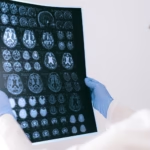
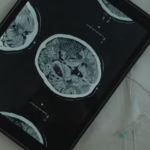
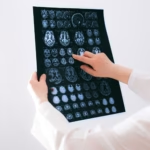
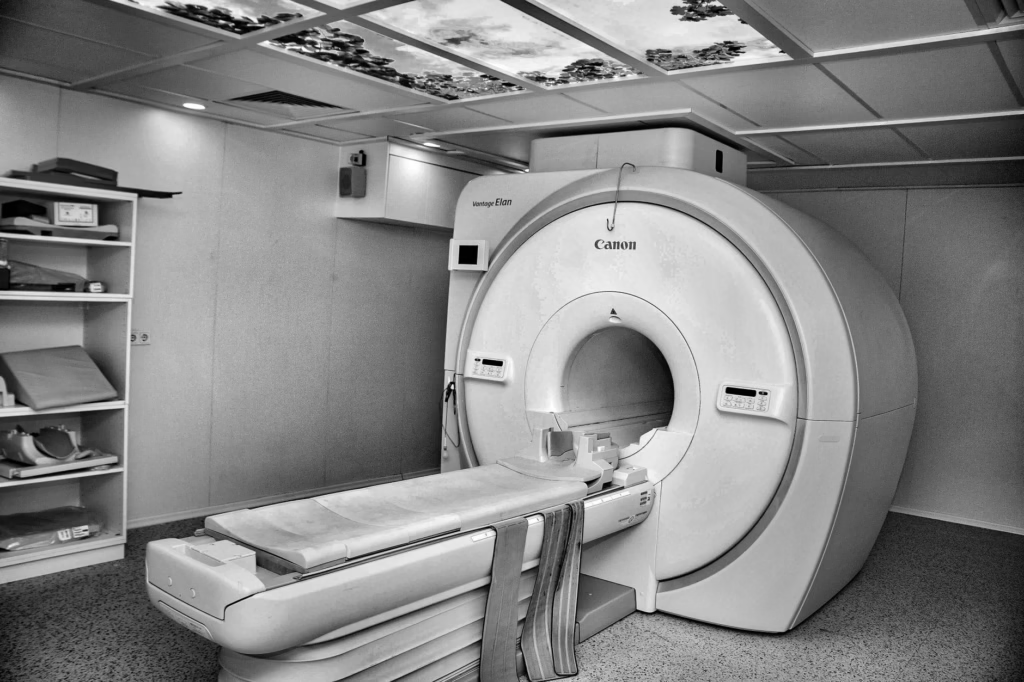
If your doctor suspects an issue with your venous sinuses, they will likely order specific imaging tests. An MRI or MRA, which stands for Magnetic Resonance Angiography, is the gold standard for visualizing the blood vessels in the brain. These scans allow radiologists to see exactly where the narrowing is and how severe it appears.
In some cases, a venogram, which uses contrast dye to highlight the flow of blood through the veins, may be recommended. This provides a more dynamic view of how blood is circulating through the transverse sinuses. Your doctor might also perform a neurological exam to check your reflexes, coordination, and vision to ensure there are no underlying neurological deficits.
It is important to understand that imaging results alone do not provide a diagnosis. A person can have significant-looking narrowing on a scan but experience no symptoms at all. Conversely, someone might have mild narrowing but experience significant discomfort. Your doctor will weigh the scan results against your clinical symptoms to determine the best path forward.
| Diagnostic Tool | Purpose |
|---|---|
| MRI | High-resolution images of brain structures |
| MRA | Detailed visualization of brain blood vessels |
| Venogram | Mapping the flow of blood through venous channels |
| Neurological Exam | Assessment of physical and cognitive function |
Treatment and Management Strategies
Management of these symptoms is highly individualized. If the symptoms are mild, doctors often recommend a conservative approach. This might involve lifestyle changes, such as managing stress, maintaining a healthy sleep schedule, and staying hydrated. Some patients find that simple pain management techniques help keep their daily headaches under control.
If the symptoms are linked to increased intracranial pressure, your doctor might discuss medication options designed to reduce the production of cerebrospinal fluid or help manage pressure. These medications are strictly regulated and must be monitored by a specialist, such as a neurologist or a neuro-ophthalmologist, to ensure safety and effectiveness.
In rare and specific cases where the narrowing leads to severe, debilitating symptoms that do not respond to other treatments, a procedure known as venous sinus stenting might be considered. This involves placing a small mesh tube into the narrowed sinus to hold it open and improve blood flow. This is a significant medical intervention and is only performed after a thorough evaluation by a specialized vascular team.
Frequently Asked Questions
Is bilateral transverse sinus stenosis a permanent condition?
In many cases, the anatomy of your venous sinuses is something you are born with or develops over time, meaning it may be a permanent anatomical feature. However, the symptoms associated with it can often be managed or even resolved through appropriate medical care and lifestyle adjustments.
Can stress make these symptoms worse?
Yes, stress can exacerbate many types of headaches and neurological sensations. High levels of stress can increase muscle tension in the neck and head, which may aggravate the symptoms you feel from venous sinus narrowing. Managing stress through relaxation techniques can be a helpful part of your overall care plan.
Do I need surgery if I have this diagnosis?
Surgery or stenting is not the standard first line of treatment. Most people with these findings manage their symptoms effectively through non-surgical methods. A procedure is generally reserved for cases where symptoms are severe, persistent, and unresponsive to all other medical treatments.
Is this condition the same as a stroke?
No, bilateral transverse sinus stenosis is not the same as a stroke. A stroke typically involves a sudden blockage or rupture of an artery, whereas this condition involves the narrowing of a venous channel. While both involve blood flow, they are distinct medical issues with different causes and clinical implications.
The Bottom Line
Bilateral transverse sinus stenosis symptoms can be concerning, but they are often manageable with the right medical guidance. By understanding that these findings are frequently discovered during routine imaging for other issues, you can approach the diagnosis with a sense of perspective. The key is to work closely with your healthcare provider to differentiate between benign anatomical findings and those that require active treatment.
Focus on tracking your symptoms, communicating clearly with your doctor, and following the specific advice provided by your medical team. Whether your path involves simple lifestyle modifications or more targeted medical interventions, there are many options available to help improve your quality of life. Always prioritize regular checkups and reach out to a professional if you notice any new or worsening neurological symptoms.