Key Takeaways
- Sinus stenosis involves the narrowing of sinus drainage pathways.
- Common symptoms include chronic congestion, facial pressure, and headaches.
- Persistent symptoms should be evaluated by an ENT specialist.
- Treatment focuses on reducing inflammation and improving drainage.
Understanding Sinus Stenosis Symptoms
If you have been feeling a persistent sense of pressure in your face or difficulty breathing through your nose, you might be curious about Sinus stenosis symptoms. While many people experience temporary congestion due to a cold or seasonal allergies, sinus stenosis refers to a more structural narrowing of the pathways that allow your sinuses to drain and ventilate properly. Understanding these symptoms is the first step toward finding relief and improving your overall quality of life.
Stenosis, by definition, is the abnormal narrowing of a passage in the body. When this occurs within the complex anatomy of the sinuses, it can disrupt the natural flow of mucus, leading to a backup that causes inflammation, discomfort, and a variety of secondary issues. Recognizing when your nasal health is deviating from the norm is essential for knowing when to seek professional medical advice.
This article provides a comprehensive overview of what happens when these narrow passages become blocked. By exploring the signs and symptoms, you can better communicate your experiences to your healthcare provider, ensuring that you receive the correct diagnosis and a treatment plan tailored to your specific anatomical needs.
The Role of Sinus Anatomy in Stenosis
Your sinuses are a series of connected air-filled cavities located behind your forehead, eyes, and cheeks. These cavities are lined with a thin layer of mucus that traps dust, allergens, and pollutants. Under normal circumstances, this mucus drains out through small channels into your nasal cavity. When these channels become narrowed, we refer to this as sinus stenosis.
Several factors can lead to this narrowing. Chronic inflammation from long-term allergies, the presence of nasal polyps, or even previous trauma to the nose can cause the delicate tissues lining the drainage pathways to thicken. Once the pathway is narrowed, it becomes much easier for mucus to become trapped, creating a perfect environment for bacteria to thrive.
It is important to understand that sinus stenosis is not just a simple head cold. It is a mechanical issue where the physical space available for airflow and mucus drainage is restricted. Because the anatomy is so intricate, even a small amount of narrowing can lead to significant symptoms that impact your daily activities, sleep, and overall energy levels.

Common Sinus Stenosis Symptoms
The symptoms of sinus stenosis often mirror those of chronic sinusitis, which can make self-diagnosis difficult. The most frequent indicator is a feeling of fullness or pressure in the facial area. This pressure is often located around the eyes, cheeks, or forehead and may feel worse when you lean forward or lie down flat.
Another classic sign is persistent nasal congestion. If you feel like your nose is constantly blocked despite not having an active cold, this may indicate that the drainage pathways are structurally compromised. This congestion is often accompanied by reduced sense of smell, as the inflammatory process can affect the olfactory nerves located in the upper nasal cavity.
Other symptoms include:
- Chronic post-nasal drip, where mucus runs down the back of the throat.
- A persistent cough, often triggered by the post-nasal drip.
- Frequent headaches, specifically behind the eyes or in the forehead.
- Bad breath or a foul taste in the mouth caused by stagnant mucus.
- Fatigue, often stemming from poor sleep quality due to breathing difficulties.
When to Seek Professional Medical Care
While minor congestion can often be managed at home, sinus stenosis symptoms that persist for more than twelve weeks are typically classified as chronic. At this stage, over-the-counter remedies may provide only temporary relief, and it is time to consult with an otolaryngologist, also known as an ear, nose, and throat (ENT) specialist.
You should seek medical attention sooner if you experience red flags such as high fever, severe headache that does not respond to pain relievers, vision changes, or swelling and redness around the eyes. These can be signs of a more severe infection that has spread beyond the sinus cavities and requires immediate evaluation.
During your appointment, a doctor will likely perform a physical examination of your nasal passages using a small light or a thin, flexible scope called an endoscope. This tool allows the physician to look directly into the narrow pathways to identify signs of stenosis, inflammation, or polyps that may be contributing to your symptoms.

Diagnostic Procedures for Sinus Issues
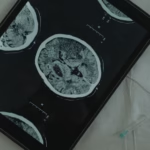
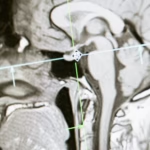
To confirm a diagnosis of sinus stenosis, your doctor may recommend imaging tests. A computed tomography (CT) scan is the gold standard for visualizing the anatomy of the sinuses. It provides a detailed view of the bone structures and the drainage channels, allowing the doctor to see exactly where the narrowing is occurring.
In some cases, your doctor might also suggest allergy testing. Because chronic inflammation is a primary driver of tissue thickening in the sinuses, identifying and managing underlying allergies can be a crucial part of the treatment plan. Reducing the allergic response can often decrease the swelling that contributes to the narrowing of the drainage pathways.
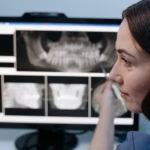
It is worth noting that diagnostic tests are painless and generally quick. Understanding the root cause of your symptoms is the most effective way to prevent long-term complications. Do not be afraid to ask your doctor questions about the images or the results of your tests so you feel empowered throughout the diagnostic process.
Management and Treatment Options
Treatment for sinus stenosis is usually tiered, starting with the least invasive methods. If the stenosis is mild, the primary goal is to keep the sinuses open and reduce inflammation. This often involves the use of saline nasal irrigation, which helps flush out mucus and allergens, and corticosteroid nasal sprays that target swelling at the source.
If conservative treatments are insufficient, your doctor might discuss other options. These can include short courses of oral medications to reduce severe inflammation or, in cases where an infection is present, antibiotics. The goal is to clear the blockage and restore normal sinus function as quickly as possible.
For individuals where the narrowing is severe or anatomical in nature, surgery may be considered. A common procedure is functional endoscopic sinus surgery (FESS), which involves widening the drainage pathways to allow for better airflow and mucus clearance. This is a highly effective, minimally invasive procedure that can provide long-term relief for many patients.

Comparison of Sinus Conditions
It is helpful to distinguish between different types of sinus issues to better understand your specific symptoms. The table below outlines how sinus stenosis compares to other common conditions.
| Condition | Primary Cause | Key Symptom |
|---|---|---|
| Acute Sinusitis | Viral infection | Short-term pain and congestion |
| Sinus Stenosis | Anatomical narrowing | Persistent, recurring pressure |
| Allergic Rhinitis | Immune response to allergens | Sneezing, itchy eyes, congestion |
| Nasal Polyps | Chronic inflammation | Reduced sense of smell, fullness |
Living with Sinus Stenosis
Living with chronic sinus issues requires a proactive approach to your environment and health. Maintaining good indoor air quality is paramount. Using a humidifier during dry months can keep your nasal passages moist, while using a dehumidifier in damp environments can help prevent mold growth that might trigger inflammation.
Hydration also plays a key role. Drinking plenty of water helps keep the mucus in your sinuses thin and easier to drain. Avoiding known triggers, such as cigarette smoke, strong perfumes, and chemical fumes, can also significantly reduce the likelihood of flare-ups that exacerbate your stenosis symptoms.
Lastly, prioritize your sleep. Elevating your head with an extra pillow can help prevent mucus from pooling in your sinuses overnight. By making small, consistent changes to your lifestyle, you can minimize the impact of sinus stenosis on your day-to-day life while you work with your medical team on a long-term solution.
Frequently Asked Questions
Is sinus stenosis the same as a deviated septum?
No, they are different. A deviated septum is a physical displacement of the wall between your nostrils, while sinus stenosis refers to the narrowing of the drainage pathways themselves. However, a deviated septum can sometimes contribute to sinus issues by blocking airflow.
Can sinus stenosis go away on its own?
Because sinus stenosis is often related to structural or chronic inflammatory issues, it rarely resolves completely without intervention. While symptoms may fluctuate, the underlying narrowing usually requires medical management to improve.
How is a sinus stenosis diagnosis confirmed?
Diagnosis is usually confirmed through a combination of a physical examination by an ENT specialist and diagnostic imaging, such as a CT scan, which allows the doctor to see the exact location and severity of the narrowing.
Does surgery always fix sinus stenosis?
Surgery is very effective for many patients, but it is typically reserved for cases where conservative treatments have failed. Your doctor will weigh the risks and benefits based on your unique anatomy and the severity of your symptoms.
The Bottom Line
Dealing with persistent sinus issues can be frustrating, but you do not have to navigate it alone. Recognizing the signs of sinus stenosis is the first step toward getting the help you need. By working with a qualified healthcare professional, you can identify the cause of your symptoms and explore effective treatments, ranging from simple lifestyle adjustments to advanced surgical options. Remember that persistent facial pressure and congestion are signals from your body that warrant a professional opinion. Take charge of your nasal health today to breathe easier and feel more comfortable tomorrow.