Key Takeaways
- Upper wisdom teeth roots often grow near the maxillary sinuses.
- Common symptoms include facial pressure, congestion, and tooth pain.
- Diagnosis typically requires professional dental imaging like X-rays or CT scans.
- Treatment focuses on safe extraction and managing sinus health.
Understanding the Connection Between Your Teeth and Sinuses
When you experience persistent facial pain or congestion, you might not immediately think of your mouth. However, the anatomy of your upper jaw is closely linked to your sinus cavities. Understanding wisdom teeth in sinus cavity symptoms is essential for anyone dealing with unexplained discomfort in the upper facial region. While not everyone develops these issues, the proximity of the upper third molars to the maxillary sinuses can create unique health challenges that require professional attention.
The maxillary sinuses are air-filled spaces located behind your cheeks and above your upper teeth. Because the roots of your upper wisdom teeth often sit directly beneath or even inside these sinus cavities, any inflammation or structural issue with the tooth can affect the sinus. If you are feeling a combination of tooth sensitivity and sinus-like pressure, it is important to explore whether your wisdom teeth are the underlying cause of these persistent symptoms.
Common Wisdom Teeth in Sinus Cavity Symptoms
Recognizing the specific signs of a tooth-related sinus issue is the first step toward getting relief. The most frequent symptom reported by patients is a dull, throbbing ache that seems to radiate from the upper molars up into the cheekbones. This sensation often mimics a standard sinus infection, leading many people to seek treatment for allergies or colds when the actual culprit is dental in nature.
Another common indicator is a feeling of fullness or pressure in the face that intensifies when you lean forward or lie down. You might also notice a persistent runny nose or a feeling of congestion that does not respond to typical over-the-counter decongestants. In some cases, patients report a foul taste or smell, which can indicate that a tooth issue has compromised the integrity of the sinus lining.
Other symptoms include:
- Increased sensitivity to hot or cold temperatures in the upper back teeth.
- Pain that worsens when you bite down or chew on the affected side.
- Swelling of the gums near the back of the mouth.
- A sensation of teeth feeling slightly loose or misaligned.
If you notice these symptoms, it is vital to avoid self-diagnosis. Because these issues can overlap with other sinus conditions, a dental professional must evaluate your specific case to ensure that treatment is targeted and effective. Ignoring these symptoms can lead to more significant complications, such as chronic sinus infections or damage to the surrounding bone structures.

How Anatomy Influences Your Sinus Health
The relationship between your wisdom teeth and your sinuses is entirely anatomical. For many people, the roots of the upper wisdom teeth are separated from the sinus cavity by only a very thin layer of bone. In some individuals, this bone is absent entirely, meaning the roots of the teeth are in direct contact with the lining of the sinus, known as the Schneiderian membrane.
When a wisdom tooth becomes impacted or infected, the inflammation can easily travel to the sinus membrane. This proximity is why even minor dental inflammation can trigger significant sinus reactions. Understanding this structural reality helps explain why wisdom teeth in sinus cavity symptoms are so distinct from typical dental pain and why they often present with respiratory-like complaints.
Diagnostic Procedures for Dental Sinus Issues
To determine if your symptoms are stemming from your wisdom teeth, your dentist will perform a comprehensive evaluation. This usually begins with a physical examination of the mouth and a review of your medical history. They will look for signs of infection, such as redness, swelling, or drainage near the upper molars.
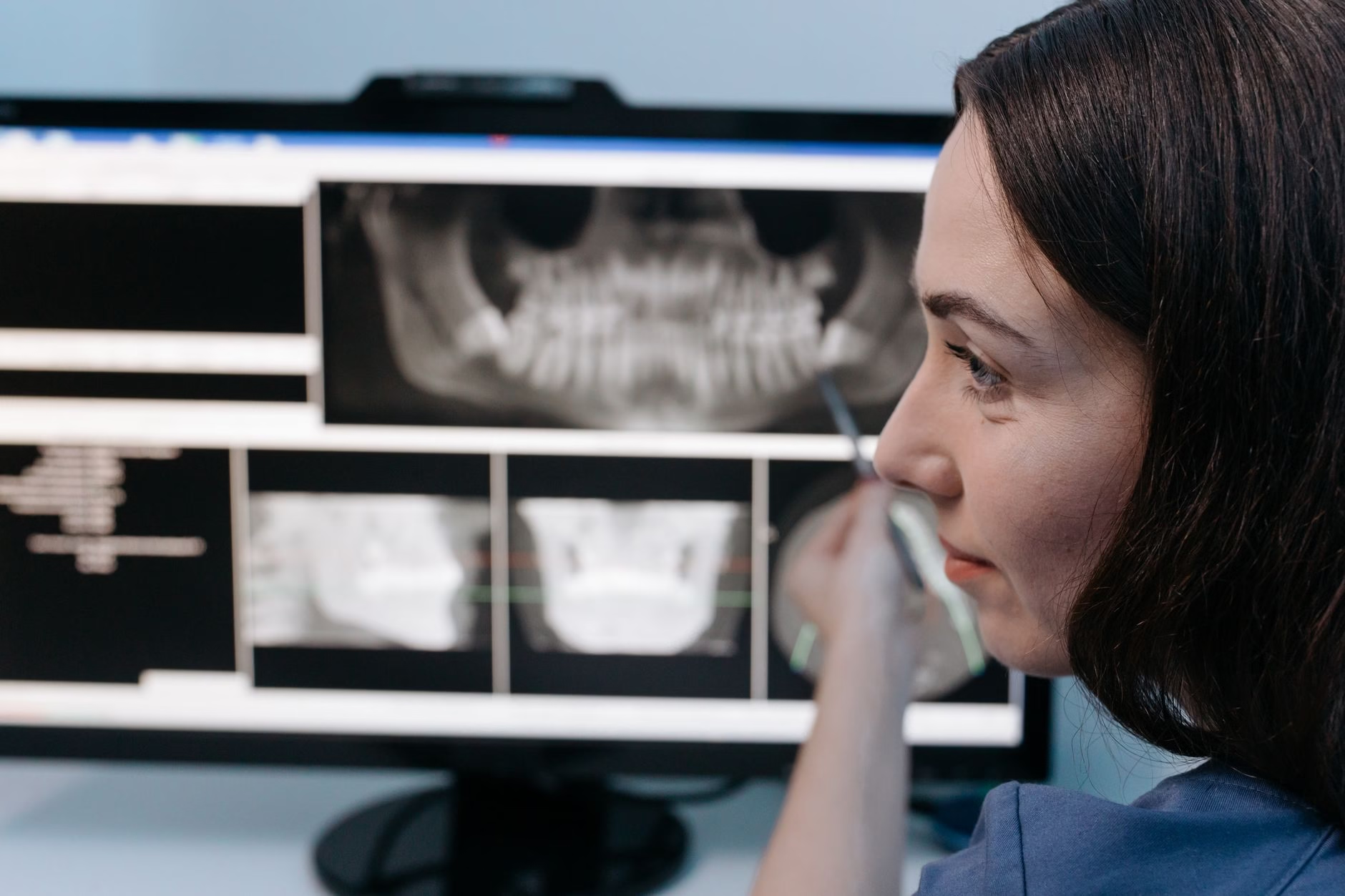
Imaging is the gold standard for diagnosing these cases. A standard two-dimensional dental X-ray can show the basic position of the teeth, but it often lacks the detail needed to see the relationship between the roots and the sinus floor. Therefore, your dentist may request a Cone Beam Computed Tomography (CBCT) scan, which provides a highly detailed, three-dimensional view of your oral and sinus anatomy.
These scans allow the dentist to see:
- The exact distance between the tooth roots and the sinus cavity.
- Signs of sinus mucosal thickening or fluid buildup.
- Any potential perforations or structural damage to the sinus floor.
- The presence of cysts or abscesses associated with the impacted tooth.
By using these advanced imaging techniques, your dental team can create a precise plan for your care. Knowing exactly where the tooth sits in relation to your sinus allows the surgeon to perform the extraction with the highest level of safety and precision, minimizing the risk of complications during the procedure.

Comparing Dental and Sinus Symptoms
It can be difficult to tell whether you have a sinus infection or a dental issue. Use the following table to help identify the primary differences, though remember that this is for informational purposes only.
| Symptom | Sinus Infection | Wisdom Tooth Issue |
|---|---|---|
| Primary Location | Entire sinus area | Specific upper molar area |
| Triggers | Allergies, cold virus | Biting, chewing, pressure |
| Nasal Discharge | Often yellow or green | Rarely present |
| Pain Quality | Constant pressure | Sharp or throbbing |
Treatment Options and Surgical Considerations
If your dentist confirms that your wisdom teeth are causing sinus symptoms, the primary treatment is usually the extraction of the problematic teeth. Removing the source of the inflammation allows the sinus tissue to heal properly. In most cases, the sinus lining is resilient and will repair itself naturally once the tooth is removed.
The surgery is performed by a qualified oral surgeon who is trained to manage the specific risks associated with sinus proximity. During the procedure, the surgeon takes special care to avoid damaging the sinus membrane. If the bone between the tooth and sinus is very thin, they will use specific techniques to ensure that the area is protected during and after the extraction.
Following the surgery, your surgeon will provide specific post-operative instructions to support your sinus health. This often includes avoiding activities that increase pressure in the sinuses, such as blowing your nose forcefully, using straws, or smoking. These simple precautions are crucial for preventing air from moving between your mouth and your sinus, which is vital for proper healing.

Recovery and Long-Term Sinus Care
Recovery after wisdom tooth extraction in these cases is generally straightforward, but it requires patience. You may experience some mild sinus congestion for a few days as the inflammation subsides. Staying hydrated and resting with your head slightly elevated can help manage this discomfort effectively.
It is important to follow all post-operative instructions provided by your dental team. This includes taking any prescribed medications exactly as directed and keeping the surgical site clean. If you notice any unusual symptoms during your recovery, such as persistent bleeding or signs of a new infection, contact your surgeon immediately for guidance.
Long-term, your sinus health should improve significantly once the source of chronic inflammation is removed. Most patients report a complete resolution of their symptoms within a few weeks of the procedure. Regular dental check-ups thereafter will help ensure that your overall oral health remains in top condition, preventing future complications that could affect your sinuses.
Frequently Asked Questions
Can a wisdom tooth actually enter the sinus cavity?
While it is rare for a tooth to fully enter the sinus, the roots often grow into the sinus space. If a tooth is impacted, the root tips can push against or slightly penetrate the thin bone separating the jaw from the sinus, which is what causes the symptoms you may be experiencing.
Is it normal to have sinus pressure after wisdom tooth removal?
Yes, it is common to have mild, temporary sinus pressure for a few days after the procedure. This is usually due to residual inflammation from the surgery. If the pressure is severe, accompanied by fever, or lasts longer than a week, you should consult your oral surgeon.
How do I know if I need to see a dentist or an ENT doctor?
If the pain is clearly localized to your upper back teeth or is triggered by chewing, start with your dentist. If you have widespread sinus pain, nasal congestion, and no dental pain, an Ear, Nose, and Throat (ENT) specialist is a good choice. Often, these professionals work together to provide the best care.
Will my sinus heal on its own after the tooth is removed?
In the vast majority of cases, the sinus lining is very effective at self-repair. Once the tooth is extracted and the source of inflammation is gone, the body naturally heals the area. Your surgeon will provide specific instructions to facilitate this process and ensure a smooth recovery.
The Bottom Line
Wisdom teeth in sinus cavity symptoms can be frustrating and difficult to distinguish from common sinus infections. Because these symptoms often arise from the close anatomical relationship between your upper molars and your maxillary sinuses, professional diagnosis using advanced imaging is the most reliable way to identify the cause of your discomfort. If you suspect your wisdom teeth are affecting your sinuses, do not hesitate to contact your dental provider. With a clear diagnosis and appropriate care, you can address the root of the problem and return to a life free from facial pain and sinus pressure.