Key Takeaways
- Red eyes can occur with sinus infections due to inflammation spreading to nearby tissues.
- Common symptoms include facial pressure, congestion, and nasal discharge.
- Seek immediate medical care if you experience vision changes or severe eye swelling.
- Most sinus infections resolve with rest and home care, but persistent symptoms require medical attention.
Understanding the Link Between Sinus Infection Symptoms Red Eyes
When you are struggling with a sinus infection, the last thing you expect is for your eyes to become involved. However, experiencing Sinus infection symptoms red eyes is a concern that brings many people to seek medical advice. Because the sinuses are located in close proximity to the eyes, inflammation in the nasal passages can sometimes affect the delicate tissues surrounding the ocular area, leading to redness, tearing, or irritation.
It is important to remember that while this combination of symptoms can be alarming, it is often a byproduct of the body’s immune response to an infection. Understanding how your sinuses and eyes interact can help you manage your discomfort and identify when it is time to seek professional medical intervention. This guide will walk you through the causes, treatments, and warning signs associated with these symptoms.
Please note that this information is for educational purposes only. If you are experiencing concerning eye symptoms, please consult a healthcare professional for an accurate diagnosis and treatment plan tailored to your specific health needs.
How Sinusitis Affects the Eyes
The sinuses are air-filled cavities located behind your forehead, eyes, and cheeks. When these cavities become inflamed or infected, a condition known as sinusitis, the swelling can put pressure on surrounding structures. The eyes are separated from the ethmoid sinuses, which are located between the eyes, by a very thin layer of bone.
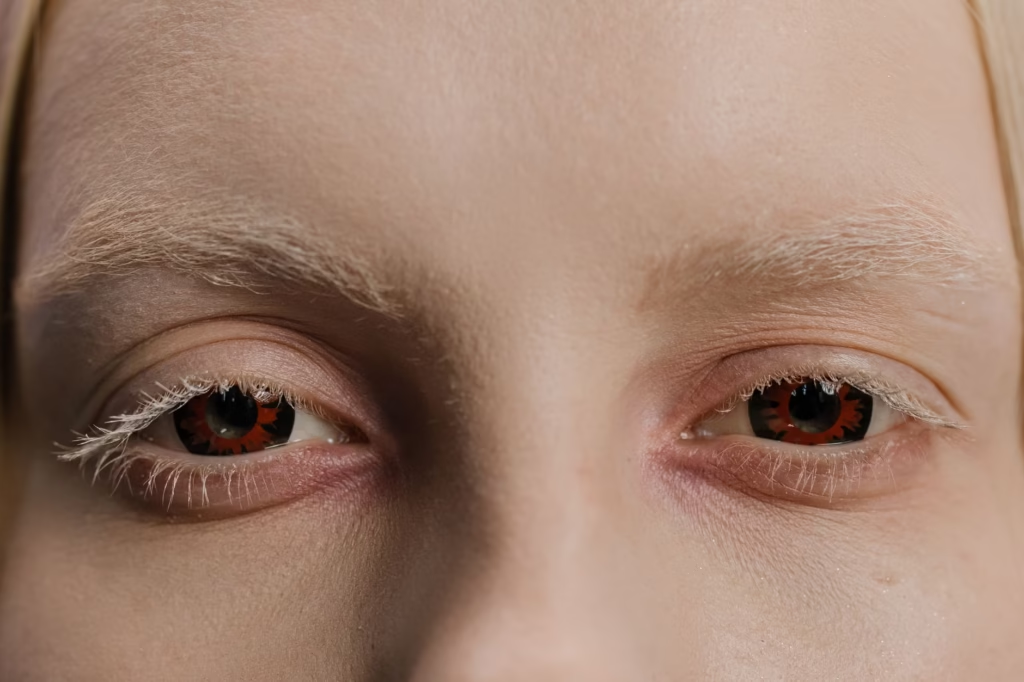
Because this barrier is so thin, it is possible for inflammation to spread. When the sinuses are blocked by mucus, pressure builds up, which can cause referred pain or irritation in the eye area. This pressure often leads to the blood vessels in the whites of the eyes becoming dilated and visible, resulting in the appearance of redness.
In addition to physical pressure, the immune system’s response to infection involves releasing chemicals that promote inflammation. These chemicals travel through the local blood supply and can cause the conjunctiva, which is the thin membrane covering the eye, to become inflamed. This is why you might notice redness even if there is no direct bacterial spread to the eye itself.
Common Symptoms Accompanying Red Eyes
When you have a sinus infection, red eyes rarely appear in isolation. They are usually accompanied by a range of classic sinus symptoms that help differentiate a sinus-related issue from an eye-specific condition like allergies or pink eye. Recognizing these patterns is key to understanding what is happening in your body.
Common symptoms often include:
- Persistent facial pressure or pain, particularly around the eyes and cheeks.
- Thick, discolored nasal discharge.
- A reduced sense of smell or taste.
- Congestion that makes breathing through the nose difficult.
- Fatigue or a general feeling of being unwell.
- A low-grade fever.
These symptoms typically persist for several days to a week. If you notice your eye redness is accompanied by a severe headache or fever, it is a sign that your body is fighting a significant infection and you should prioritize rest and medical consultation.
Differentiating Between Sinusitis and Other Conditions
It is easy to confuse a sinus infection with other conditions that cause red eyes, such as seasonal allergies or viral conjunctivitis. Allergies, for instance, often cause intense itching and watery eyes, but they are rarely associated with the thick, yellow, or green mucus that characterizes a bacterial sinus infection.
| Condition | Primary Eye Symptom | Typical Nasal Symptom |
|---|---|---|
| Sinus Infection | Redness due to pressure | Thick, colored discharge |
| Allergies | Itching and tearing | Clear, watery drainage |
| Conjunctivitis | Crusty discharge | Usually no nasal symptoms |
| Dry Eye | Gritty feeling | None |
By comparing your symptoms against this table, you can get a better sense of whether your eye redness is likely related to sinus pressure or another cause. If you have been suffering from congestion for more than ten days without improvement, or if your symptoms are worsening, it is time to stop guessing and visit a clinic.
When to See a Doctor Immediately
While minor redness can occur with a sinus infection, there are certain red flags that indicate a more serious medical situation. The proximity of the sinuses to the eyes means that, in rare cases, an infection can spread beyond the sinus cavity. This is a medical emergency that requires immediate attention.
You should seek urgent medical care if you experience any of the following:
- Sudden changes in vision, such as blurriness or double vision.
- Significant swelling or redness of the eyelid or the skin around the eye.
- An inability to move your eye normally.
- Severe, unbearable pain in or behind the eye.
- A high fever that does not respond to over-the-counter medication.
These symptoms could suggest orbital cellulitis, which is an infection of the tissues surrounding the eye. This is a serious condition that requires prompt treatment with appropriate medical therapies to prevent long-term damage to your vision.

Home Care and Comfort Measures
For mild sinus infections that cause slight eye redness, home care is often enough to support your body while it heals. The goal of these measures is to reduce inflammation and help your sinuses drain more effectively, which in turn relieves the pressure on your ocular area.
Hydration is one of the most effective strategies for managing sinus health. Drinking plenty of water helps keep your mucus thin and easier to drain. You might also consider using a humidifier in your bedroom to add moisture to the air, which can prevent your nasal passages and eyes from drying out during the night.
Steam inhalation is another time-tested method for relief. By breathing in steam from a bowl of hot water or a hot shower, you can help loosen the mucus in your sinuses. While doing this, keep your eyes closed to avoid steam irritation and focus on deep, slow breaths. This can significantly reduce the pressure that contributes to red, irritated eyes.
Diagnostic Imaging and Clinical Evaluation
Assessing Orbital Involvement
When sinus infections cause ocular symptoms, physicians often utilize diagnostic imaging to rule out orbital cellulitis. Computed tomography scans are the gold standard for visualizing the delicate structures surrounding the eye sockets. These images allow clinicians to determine if the infection has breached the thin bony barriers separating the sinuses from the orbit. Early detection through imaging is vital for preventing vision loss and other permanent complications.
The Role of Physical Examinations
A comprehensive physical examination involves checking for proptosis or restricted eye movement. Doctors will use a penlight to evaluate the pupillary response and check for signs of inflammation in the conjunctiva. By correlating these physical signs with the patient’s history of sinus pressure, medical professionals can accurately pinpoint the source of the redness. This systematic approach ensures that patients receive targeted treatment rather than broad or unnecessary interventions.
- Evaluation of intraocular pressure to rule out glaucoma
- Assessment of visual acuity changes
- Palpation of the sinuses to identify focal tenderness
- Review of recent upper respiratory infection history

Managing Complications of Periorbital Inflammation
Antibiotic Stewardship and Treatment
Managing red eyes linked to sinusitis requires a careful balance of antibiotic therapy. Because many sinus infections are viral, physicians must first determine if a bacterial pathogen is the primary culprit. If bacterial sinusitis is confirmed, systemic antibiotics are prescribed to reduce the overall inflammatory load on the facial tissues. Proper adherence to the full course of medication is essential to prevent the infection from spreading deeper into the ocular region.
Reducing Secondary Ocular Irritation
Beyond treating the infection, managing secondary irritation involves protecting the ocular surface. Patients may experience dryness or secondary conjunctivitis due to the proximity of inflamed sinus tissues. Lubricating eye drops or artificial tears can provide significant relief from the gritty sensation associated with this inflammation. Avoiding environmental irritants like smoke or dust further prevents exacerbating the redness during the recovery period.
- Use of sterile saline solution for gentle eye rinsing
- Application of warm compresses to the forehead and bridge of the nose
- Maintenance of indoor humidity levels to soothe mucosal membranes
- Frequent hand washing to avoid introducing new pathogens to the eyes
Preventative Strategies for Recurrent Sinus Issues
Environmental Control and Allergen Management
Chronic sinus inflammation often serves as the underlying trigger for recurring red eyes. Patients should evaluate their living and working environments for potential allergens that exacerbate sinus swelling. Utilizing high efficiency particulate air filters can significantly reduce the concentration of airborne irritants. Regular cleaning of bedding and curtains also helps minimize exposure to dust mites and pet dander that provoke persistent sinus congestion.
Lifestyle Modifications for Sinus Health
Maintaining optimal sinus health requires consistent hydration and healthy lifestyle habits. Adequate fluid intake helps thin the mucus produced in the sinuses, allowing for better drainage and reduced pressure on the ocular area. Regular physical activity can also promote better circulation and immune function, which helps the body combat lingering infections more effectively. These proactive measures reduce the frequency of sinus flare-ups and the associated ocular symptoms that impact daily quality of life.
- Consistent nasal irrigation using distilled or boiled water
- Reduction of inflammatory dietary triggers
- Stress management techniques to support immune response
- Elevation of the head during sleep to improve sinus drainage
Frequently Asked Questions
Can a sinus infection cause permanent vision loss?
While rare, if a sinus infection spreads to the eye socket and is left untreated, it can cause serious complications that may affect vision. This is why persistent or severe eye symptoms should never be ignored and must be evaluated by a medical professional.
How long do sinus-related eye symptoms usually last?
For most people, sinus-related eye redness will improve as the infection clears up. This typically takes seven to ten days. If you find that your eye redness persists beyond this timeframe, it is best to check in with a doctor to rule out other causes.
Should I use over-the-counter eye drops for my red eyes?
It is best to be cautious with eye drops. Some drops designed for redness can cause rebound irritation if used too frequently. It is better to treat the root cause, which is the sinus inflammation, using methods like saline nasal rinses or warm compresses before resorting to medicated eye drops.
Does a sinus infection always cause red eyes?
No, red eyes are not a universal symptom of a sinus infection. Many people experience sinus infections without any eye involvement at all. Redness is usually a sign that the inflammation is significant enough to cause localized pressure or that your eyes are particularly sensitive to the overall inflammatory response.
The Bottom Line
Dealing with Sinus infection symptoms red eyes can be uncomfortable and confusing, but it is often just a sign that your sinuses are under significant pressure. By focusing on hydration, rest, and gentle home remedies like warm compresses, you can often manage the symptoms effectively while your immune system fights off the underlying infection.
However, your eyes are delicate, and they deserve careful attention. If you notice severe swelling, vision changes, or pain that does not go away, do not wait for the symptoms to pass on their own. Reach out to a healthcare provider to ensure you receive the appropriate care. Prioritizing your health today will help you get back to feeling like yourself much faster.