Key Takeaways
- Upper wisdom teeth are located very close to the maxillary sinuses.
- A communication between the tooth socket and the sinus is called an oroantral communication.
- Common symptoms include persistent sinus pressure, nasal congestion, and changes in voice.
- Professional diagnosis through imaging like a CT scan is essential for treatment.
Understanding Wisdom tooth in sinus cavity symptoms
When you experience dental pain that seems to migrate toward your cheeks or eyes, you might be curious about the connection between your teeth and your respiratory health. Wisdom tooth in sinus cavity symptoms often arise because the roots of the upper wisdom teeth sit in very close proximity to the maxillary sinuses. These are the air-filled spaces located behind your cheekbones and on either side of your nose.
In some cases, the roots of these teeth actually protrude into the sinus floor. When a tooth is extracted or becomes infected, it can create a temporary or permanent opening known as an oroantral communication. This connection allows bacteria, debris, or fluids to travel between the mouth and the sinus cavity, leading to a variety of uncomfortable sensations that can be confusing to identify.
It is important to remember that this article provides general information and is not a substitute for professional medical advice. If you suspect you are dealing with these issues, you must see a dentist or an oral surgeon for a formal diagnosis. They have the specialized imaging tools necessary to see exactly how your teeth interact with your sinus architecture.
The Anatomy of the Maxillary Sinus
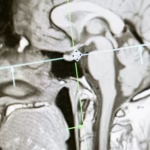
The maxillary sinus is the largest of the paranasal sinuses. It is lined with a thin layer of tissue that produces mucus to help keep the nasal passages clean and moist. Because the roots of the upper molars and wisdom teeth are located just beneath the floor of this sinus, any inflammation in the tooth area can quickly affect the sinus lining.
Sometimes, the bone separating the tooth roots from the sinus is extremely thin. In rare instances, the bone might be absent entirely. This anatomical variation makes it easier for infections to spread or for a dental procedure to disturb the sinus floor. Understanding this relationship helps explain why dental issues often present as sinus pressure.
When this delicate boundary is breached, the body reacts with inflammation. This inflammation is what leads to the primary wisdom tooth in sinus cavity symptoms that patients report. The body is essentially trying to protect the sinus from foreign material or bacteria entering from the oral cavity.

Primary Indicators and Physical Sensations
The most common symptom reported by patients is a persistent feeling of pressure or fullness in the cheek area. This is often described as a dull ache that worsens when you bend over or change your head position. You might also notice that your voice sounds slightly nasal or different than usual.
Another frequent sign is persistent nasal congestion that does not respond to typical cold or allergy medications. Because the sinus is irritated, it may produce excess mucus, which can cause a feeling of blockage in one nostril. Some patients report a foul taste in their mouth or a bad odor, which can be a sign that an infection is present in the sinus cavity.
You may also notice fluid leaking from your nose when you drink liquids. This is a specific sign that an opening has occurred between the mouth and the sinus. If you experience this, it is crucial to contact your dentist immediately, as it indicates a direct pathway that needs professional closure to prevent chronic infection.
Diagnostic Processes for Dental Sinus Issues
To determine if your symptoms are related to your teeth, your dentist will perform a comprehensive examination. This typically involves a physical inspection of your mouth and a review of your dental history. They will look for signs of swelling, redness, or discharge near the extraction site or the wisdom tooth area.
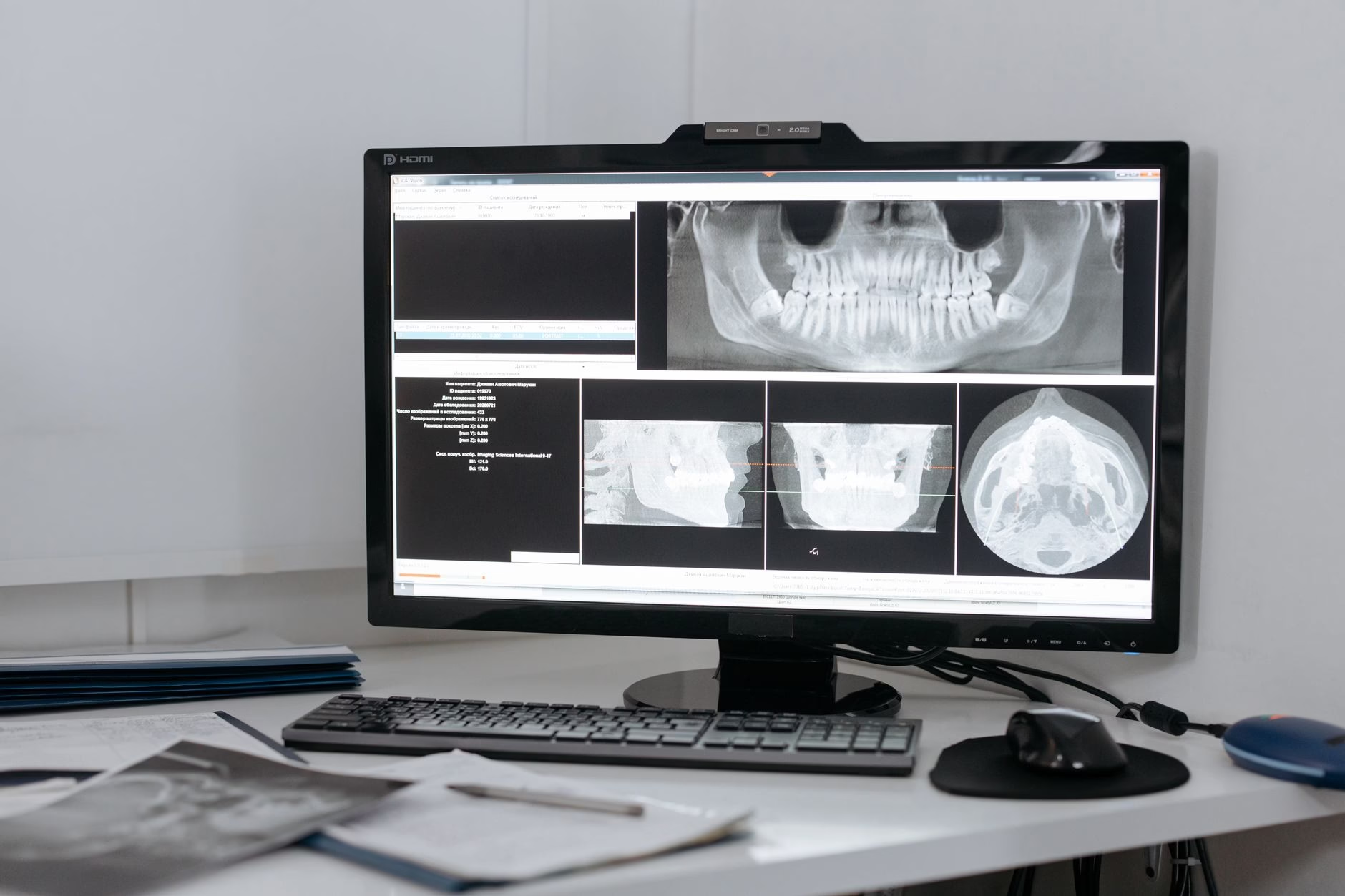
Imaging is the gold standard for diagnosing these issues. A standard dental X-ray can show the proximity of the tooth roots to the sinus, but a 3D scan, known as a Cone Beam Computed Tomography (CBCT) scan, is often preferred. This provides a detailed view of the sinus floor and can identify even tiny openings or areas of bone thinning.
Your doctor might also perform a Valsalva maneuver, which involves gently blowing against a pinched nose to see if air escapes through the tooth socket. This helps the clinician confirm the presence of an oroantral communication. Once the diagnosis is confirmed, a treatment plan can be developed to address the underlying cause.
Treatment Approaches and Recovery
Treatment depends entirely on the size of the opening and the severity of the symptoms. For very small openings, the body may naturally heal the area over time. Your dentist will likely prescribe antibiotics to prevent a sinus infection and decongestants to keep the sinus passages clear and reduce pressure.
If the opening is larger or fails to close on its own, a surgical procedure may be necessary. An oral surgeon can perform a flap surgery, where tissue from the surrounding area is moved to cover and seal the opening. This procedure is generally very successful and prevents long-term complications.
Recovery requires patience and strict adherence to post-operative instructions. You will likely need to avoid blowing your nose, drinking through a straw, or sneezing with your mouth closed, as these actions create pressure that can disrupt the healing tissue. Following these guidelines is essential for a smooth recovery process.
Managing Discomfort at Home
While you wait for your appointment or during the recovery phase, there are ways to manage your comfort. Keeping your head elevated while sleeping can help reduce the buildup of pressure in the sinus area. Using a saline nasal spray may also help keep the nasal passages moist and clear without the side effects of stronger decongestants.
It is important to avoid smoking or using tobacco products during this time. Tobacco smoke is an irritant that delays healing and increases the risk of infection. Furthermore, stick to soft foods to avoid accidentally pushing food particles into the area where the tooth was removed or where the sinus is irritated.
If you experience fever, severe pain, or heavy bleeding, you should seek medical attention promptly. These are signs that you may have a secondary infection or a complication that requires immediate intervention by a professional.

Common Questions Regarding Sinus and Teeth
Why does my tooth pain feel like a sinus headache?
Because the nerves that supply your upper teeth and your maxillary sinuses are closely related, the brain often struggles to distinguish between the two sources of pain. This is called referred pain, and it is a common reason why dental issues manifest as sinus pressure.
Can a wisdom tooth extraction cause a sinus infection?
While rare, it is possible for a sinus infection to develop following an extraction if an opening is created. This is why surgeons take precautions and why post-operative care is so important for preventing bacteria from entering the sinus cavity.
How do I know if the opening has closed?
Your dentist will schedule follow-up appointments to monitor the healing of the tissue. They will look for the disappearance of symptoms and use imaging or physical tests to ensure the sinus floor has regained its integrity.
Are some people more prone to these issues?
Yes, people who have very large sinus cavities that extend low into the jawbone are at a higher risk. This is an anatomical trait that your dentist can identify during a routine dental exam or via X-rays.
Comparative Table of Symptoms
| Symptom | Potential Cause | Recommended Action |
|---|---|---|
| Pressure in cheek | Sinus inflammation | Consult a dentist |
| Liquid leaking from nose | Oroantral communication | Seek urgent care |
| Foul taste or odor | Possible infection | Schedule an exam |
| Persistent congestion | Sinus irritation | See a healthcare provider |
Complications Arising from Oroantral Communication
Risk Factors for Persistent Sinusitis
When a wisdom tooth is extracted or shifts into the maxillary sinus, it can create an opening known as an oroantral communication. This pathway allows bacteria from the oral cavity to enter the sterile environment of the sinus. Over time, this interaction often triggers chronic inflammation of the sinus lining. Patients may notice that their symptoms do not resolve even after standard antibiotic courses.
Long Term Consequences of Untreated Openings
If an oroantral communication remains open for an extended period, it can evolve into an oroantral fistula. This is an epithelialized tract that connects the oral cavity directly to the maxillary sinus. Without surgical closure, individuals face recurring sinus infections and potential bone loss in the jaw. Consistent monitoring by an oral surgeon is essential to prevent permanent structural damage to the sinus floor.
- Persistent foul taste in the mouth
- Recurring episodes of facial pressure
- Difficulty breathing through the affected nostril
- Chronic post nasal drip

Impact on Craniofacial Nerve Pathways
Referred Pain Patterns and Nerve Sensitivity
The maxillary sinus sits in close proximity to the infraorbital nerve, which provides sensation to the cheek and upper lip. When a wisdom tooth impinges on the sinus floor, the resulting inflammation can compress or irritate these nerve branches. This manifests as referred pain that radiates far beyond the tooth site. Many patients report sensations of tingling or numbness in the cheek area that mimic other neurological conditions.
Distinguishing Dental Pain from Sinus Neuralgia
Differentiating between tooth pain and sinus related nerve pain requires a thorough clinical assessment. Dental pain typically intensifies with pressure or thermal changes, whereas sinus neuralgia often feels like a constant throbbing or burning sensation. Understanding these nuances helps clinicians determine whether the primary issue is odontogenic or purely neurological. Proper identification prevents unnecessary dental procedures on healthy teeth.
Influence on Sinus Mucociliary Clearance
Disruption of Natural Drainage Mechanisms
The maxillary sinus relies on tiny hair like structures called cilia to move mucus toward the nasal cavity. A wisdom tooth occupying space within the sinus cavity can physically obstruct these drainage pathways. When the outflow is blocked, mucus accumulates and becomes a breeding ground for pathogens. This disruption significantly impairs the self cleaning ability of the sinus system.
Secondary Effects on Respiratory Health
Impaired mucociliary clearance often leads to secondary respiratory issues, including persistent congestion and a diminished sense of smell. Patients may find that their sleep quality declines due to breathing difficulties caused by internal sinus blockage. Addressing the anatomical obstruction is the only effective way to restore normal respiratory function and prevent chronic sinus distress.
Frequently Asked Questions
Can antibiotics alone fix a hole between my tooth and sinus?
Antibiotics are often prescribed to manage or prevent infection, but they cannot close a physical opening. If the oroantral communication is significant, a surgical procedure is usually required to properly seal the area and allow for full healing.
How long does it take for an oroantral communication to heal?
Small openings may close on their own within a few weeks if you follow strict post-operative instructions. However, larger openings or those that do not show signs of improvement within a week or two require professional intervention to prevent chronic issues.
Will I need to change my diet while waiting for the sinus area to heal?
Yes, sticking to a soft food diet is recommended to prevent food particles from becoming lodged in the healing site. You should also avoid using straws, as the suction can create pressure that disrupts the tissue closure.
Is it normal to have a blocked ear on the side of my tooth pain?
Because the sinuses are connected to the ear canal via the eustachian tubes, sinus inflammation can sometimes cause a feeling of fullness or blockage in the ear. This is often a result of pressure changes in the maxillary sinus rather than an ear infection itself.
The Bottom Line
Understanding the connection between your oral health and your sinuses is a key part of maintaining overall wellness. The proximity of wisdom teeth to the maxillary sinus means that dental issues can sometimes feel like sinus problems. By recognizing the wisdom tooth in sinus cavity symptoms early, you can seek the right care and prevent long-term complications.
Always prioritize professional diagnosis over home remedies. If you notice persistent pressure, nasal changes, or a feeling of an opening in your mouth after dental work, contact your dentist or an oral surgeon promptly. With modern imaging and surgical techniques, these conditions are highly treatable and manageable, allowing you to return to comfort and health quickly.