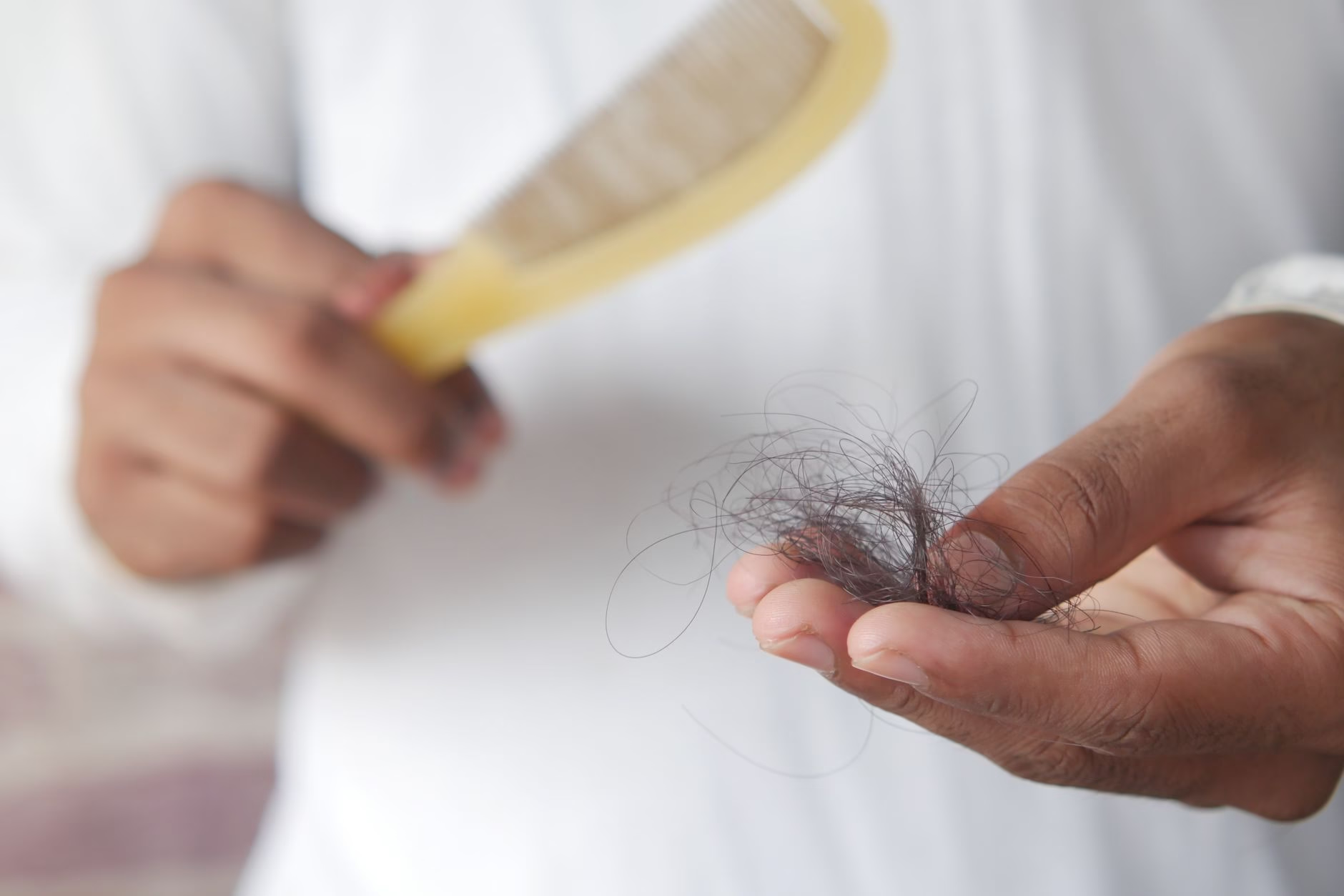
lexapro hair loss is a concern some people notice after starting Lexapro. This article explains what researchers know about the link, how likely it is, and what steps patients can take. We define terms, separate myths from facts, and caution.
Hair loss linked to medicines is a complex topic. In Lexapro users, thinning or shedding can occur for reasons beyond the drug itself, such as stress or nutrient gaps. This overview helps readers understand timing, patterns, and practical steps today.
The mechanism behind SSRI-related hair loss is not fully clear. Some researchers propose serotonin effects on hair follicles, while others emphasize shifts in stress response, nutrition, and immune signals. Patient experiences vary widely, with some noticing changes and others none.
Onset, if related, often takes weeks to months after starting treatment. People may notice shedding on shampoo screens, while others see thinning gradually. Because many hair loss patterns resemble common shedding, a careful check of timing helps distinguish causes accurately.
This article shares evidence, safety tips, and when to seek care. We guide readers through signs that warrant medical review, potential tests, and collaborative decisions about managing mood symptoms while protecting hair health. Support exists, and options change with response.
Does lexapro hair loss occur often?
Most people taking Lexapro do not experience hair loss as a common side effect. When it happens, the pattern varies, and the shedding is often mild rather than dramatic. Clinicians emphasize that mood symptom control remains the priority, with skin health as a secondary focus.
Researchers note that drug-induced hair loss is relatively rare among antidepressants. The total number of reported cases is small, and many patients who report shedding still achieve symptom relief from Lexapro. Loss of hair is typically reversible if a medication change is made under supervision.
Mechanisms behind lexapro hair loss
The science behind this topic is evolving. Some studies suggest this effect might relate to serotonin’s influence on hair follicle cycles, while others consider systemic stress responses that influence shedding. Individual biology and coexisting conditions shape whether this side effect appears.
Experts also explore nutritional and hormonal variables. Iron stores, vitamin D status, thyroid function, and stress hormones all interact with hair growth. When a patient experiences shedding, clinicians often assess these factors alongside the medication history to determine contributing causes.
Recognizing lexapro hair loss in practice
Patterns can differ: some people notice diffuse thinning, others see patchy shedding, and some observe no change at all despite timing that coincides with treatment. If shedding seems noticeable, timing around dose changes and other life stressors should be reviewed carefully.
Patients should track hair loss episodes with dates, shower residues, and any concurrent symptoms. A clinician may perform a physical exam, review medications, and order basic labs. This approach helps separate hair loss that might relate to Lexapro from other conditions.
Factors Contributing to Hair Loss
Beyond medications, several factors can influence hair health. Stress from life events, poor sleep, or fatigue can trigger shedding. Nutritional gaps, such as iron or vitamin D deficiency, may worsen hair thinning in some people.
Thyroid dysfunction often affects hair growth as well. Autoimmune conditions, hormonal changes, and metabolic shifts can all play roles. In addition, other medicines, supplements, or topical products could contribute to shedding, sometimes compounding effects from Lexapro.
Interacting medications require careful review. Some antidepressants and nonpsychiatric drugs may influence hair cycles, and drug interactions can alter how the body processes nutrients vital to hair. A clinician can help weigh benefits against possible risks in light of all therapies.
Prevention and Management
Regular monitoring of side effects is essential for people starting Lexapro. If hair changes appear, discuss with a healthcare provider before any changes. They can help determine whether adjustments to mood treatment or hair care are appropriate.
Maintaining a balanced diet supports hair health. Adequate protein, iron, zinc, and vitamins help hair follicles function well. Managing stress through gentle exercise, mindfulness, or sleep routines may reduce shedding related to life pressure and improve overall wellbeing.
Safe practices include avoiding harsh chemicals, heat styling, and tight hairstyles that pull on the scalp. Gentle cleansing and scalp massages may support healthy shedding patterns. When hair loss occurs, a clinician may review hair care products for potential irritants.
In some cases, doctors consider dosage adjustments or switching medications under supervision. If Lexapro hair loss is suspected to be medication-related, stopping or changing the drug should never be done without professional guidance. Alternative therapies may be explored as needed.
Visible improvement often depends on the cause and response to treatment. Some patients see hair stabilization after addressing nutritional gaps or adjusting therapy, while others may benefit from dermatologic options that support scalp health and hair regrowth when appropriate.
Treatment Options
Addressing hair loss involves a plan that blends medication management with hair care. In some cases, clinicians propose stopping Lexapro or lowering the dose to a level that preserves mood control while reducing adverse effects.
Switching to another antidepressant with a different side effect profile may help some patients. Dermatologic therapies, such as topical minoxidil or anti-inflammatory approaches, are sometimes recommended to support hair growth. Each option requires careful discussion with medical providers.
Supplementation may be advised for identified deficiencies. Iron, vitamin D, and zinc are common targets, but only after a clinician confirms need. Nutrient-based strategies work best when paired with ongoing psychiatric care and regular monitoring of mood stability.
Non-drug strategies include stress management plans and scalp-friendly routines. Gentle hair care, reduced heat exposure, and protective hairstyles may lessen shedding or slow thinning. Regular follow-up with providers helps ensure safety and continuity of mood treatment.
For people who experience patchy loss or rapid, heavy shedding, dermatology input can be valuable. A specialist can clarify whether hair loss is linked to a drug, an autoimmune process, or another scalp condition requiring targeted therapy.
When to Seek Medical Attention
Seek care if you notice rapid hair loss, large patches of bald spots, or accompanying scalp redness, swelling, or irritation. These symptoms may signal conditions beyond normal shedding or a reaction that needs prompt evaluation.
Also contact a clinician if mood symptoms worsen or there is new breast tenderness, rash, or significant fatigue. A healthcare provider can review medications, perform tests, and adjust treatment to maintain overall health and hair integrity.
Immediate attention is important if hair loss coincides with sudden weight changes or severe hair shedding. Early assessment improves access to safe management options and minimizes disruption to daily life while protecting mental health and well being.
Internal support resources and specialty care can guide patients through the next steps. Timely decisions may reduce long-term hair loss risk and help people stay on the best path for managing anxiety or depression during treatment.
For more detailed guidance, clinicians may refer patients to dermatology or endocrinology specialists. A coordinated plan supports mood management and hair health, with ongoing evaluation to adjust strategies as needs change over time.
Practical safety notes
Readers should not stop Lexapro abruptly. Stopping suddenly can lead to withdrawal effects and mood relapse. Any plan to change therapy must be discussed with a prescribing clinician who can provide a safe transition plan.
Patients should consider a multi disciplinary approach. A clinician can coordinate primary care, psychiatry, and dermatology to develop a personalized plan that respects both mental health goals and hair health concerns in tandem.
Frequently Asked Questions
Does Lexapro cause hair loss in everyone?
No. Hair loss is a rare side effect and does not affect everyone taking Lexapro. The likelihood varies by individual biology, overall health, and concurrent life stressors that can influence hair patterns over time.
How long does it take for hair loss to appear after starting Lexapro?
It can occur weeks to months after beginning treatment. The timing depends on multiple factors, including dose, duration, concurrent illnesses, and nutritional status, which may all shape how the body responds to therapy.
Can stopping Lexapro reverse hair loss?
Usually, stopping or switching the medication under medical supervision can lead to hair regrowth. The speed and extent of recovery differ, and some patients may require additional hair care strategies or dermatologic therapy.
Are there other medications that cause hair loss similar to Lexapro?
Yes, several medications, including other SSRIs and antidepressants, may also be associated with hair thinning. A clinician can help distinguish between drug effects and non drug related causes to guide the best course of action.
What are the best ways to prevent hair loss while on Lexapro?
Regular checkups, maintaining a healthy diet, and managing stress levels can help, but consult your doctor for personalized advice. A plan may include nutritional screening, lifestyle changes, and careful consideration of mood treatment options.
If I experience hair loss, what should I do?
Contact your healthcare provider for evaluation and management; do not stop medication without professional guidance. Early discussion can help identify causes, adjust therapy if needed, and protect both mental health and hair follicles during treatment.
Is hair loss caused by Lexapro permanent?
Typically, if medication induced, hair loss is reversible after discontinuation or adjustment. However, recovery timelines vary, and some people may require supportive hair care or medical therapies to restore full growth.
What other underlying health issues can contribute to hair loss?
Conditions like thyroid problems, nutritional deficiencies, and stress can also cause hair thinning. A thorough medical workup helps distinguish these factors from medication effects and guides targeted treatment for hair health.
Conclusion
Understanding the possibility of hair changes while on Lexapro helps people feel informed and prepared. The evidence suggests that hair loss is uncommon and often reversible with medical guidance, adjustments, or supportive care while mood stability is maintained.
Individuals benefit from staying connected with their healthcare team, tracking symptoms, and exploring safe hair health strategies. A thoughtful plan balances the needs of mental health with scalp care, ensuring people can maintain confidence as their treatment progresses.
In practice, timely communication and evidence based steps support better outcomes. A clear path includes regular reviews, appropriate tests when indicated, and the right combination of therapy, nutrition, and scalp care to protect both mood and hair over the long term.
Ultimately, many patients experience steady hair health even as their mood improves. With professional guidance, people can navigate Lexapro use while prioritizing hair integrity, minimizing worry, and focusing on a stable, healthy daily life during recovery or adjustment.
For readers seeking more details, the article links external sources and internal resources to help you make informed decisions about Lexapro safety, hair health, and the overall approach to treatment and care.
Note the practical, evidence informed steps above and consult a clinician before any major changes. Hair health is important, but it works best when paired with responsible medical care and a clear plan for mental wellbeing.
| Takeaway | Explanation |
| lexapro hair loss | Exists as a rare side effect; timing and risk vary by person. |
| Monitoring and management | Discuss concerns with a clinician; plan steps for mood and hair health together. |
Sources are listed below in a dedicated section with clickable references for readers seeking more detail.
For example, readers may review patient oriented drug information and safety notices to better understand Lexapro side effects and hair health considerations alongside official medical guidance.
Internal reference
See our detailed overview of Lexapro side effects in women for additional context and practical considerations on female health patterns when starting antidepressants.
Learn more about sleep and mood management, which can influence overall wellbeing and hair health over time.
Internal navigation
Internal links provide quick access to dosage information and coming off Lexapro guidance to support safe, informed treatment decisions and continuity of care for patients and caregivers alike.
External references
Readers are encouraged to review credible sources for a balanced view on hair loss and antidepressants. Evidence based information supports informed conversations with clinicians about risks and management strategies.
Internal navigation
Explore how long Lexapro side effects last in our dedicated article and learn about insomnia related to Lexapro to support comprehensive care planning.
External context
Contextual information from reputable sources helps readers understand safety communications, patient rights, and how to discuss symptoms like hair shedding with providers.
Internal reference again for accessibility: how long do Lexapro side effects last, with practical guidance for managing transitions.
External sources include guidance from national health libraries and major medical organizations to aid readers in evaluating hair loss risk with antidepressants.
Internal resources
Access our specific pages on Lexapro dosage and the process of coming off Lexapro for safer planning and monitoring during treatment changes.
All materials above are designed to support readers in making informed, safe decisions while respecting the complexities of mood disorders and hair health.
Sourcing and links
Credible medical references facilitate safe decisions. The sources section lists five relevant organizations with direct links for further reading and validation of information presented here.
Sources
U.S. National Library of Medicine – MedlinePlus
Mayo Clinic – Hair loss causes
American Academy of Dermatology Association
NIMH – Mental Health and Medication
Internal links for readers: Lexapro side effects in women, Lexapro insomnia, Coming off Lexapro, Lexapro dosage, How long Lexapro side effects last.