It is common to associate a sinus infection with a stuffy nose or a sneezing fit, but many people are surprised when they begin to feel intense pressure or discomfort directly in the eye socket. While it can feel alarming to experience pain in such a sensitive area, it is often a natural byproduct of how our sinuses are structured. Understanding the connection between your nasal cavities and your eyes can help you manage your symptoms effectively while knowing when it is time to call a healthcare provider.
The Anatomy Behind the Pressure
Your sinuses are a connected system of hollow cavities located in the skull. Specifically, the ethmoid sinuses are located right between your eyes and the bridge of your nose. Because these cavities are situated so close to the eye sockets, inflammation in the sinus lining—which typically occurs during a viral or bacterial infection—can easily cause sensations of pressure, heaviness, or dull pain behind the eyes.
When you have a sinus infection, the tissues inside your sinuses become swollen and inflamed. This swelling can block the normal drainage of mucus, leading to a buildup of pressure. Since the tissues surrounding the eyes are thin and highly sensitive, the body often interprets this internal pressure as pain in the eye socket or forehead. It is a common physiological response, but one that can certainly make daily tasks feel more difficult.
Recognizing the Symptoms
When sinus issues manifest as eye socket discomfort, the symptoms usually present in a few distinct ways. You might feel a dull, aching sensation behind one or both eyes. This pain often worsens when you lean forward, such as when you are tying your shoes or picking something up off the floor, because the change in position shifts the pressure within the congested sinus cavities.
In addition to the pressure, you might notice other hallmarks of a sinus infection. These include nasal congestion, a yellow or green discharge, a reduced sense of smell, or a general feeling of malaise. It is important to remember that while these symptoms are uncomfortable, they are rarely indicative of an eye-specific disease. However, because eye health is so vital, any changes to your vision or swelling directly on the eyelid should be treated with extra caution and discussed with a professional.
The Role of General Wellness
While recovering from a sinus infection, maintaining your overall well-being can help your body heal more efficiently. Focusing on basic Hygiene & Sanitation—such as washing your hands frequently and keeping your living space clean—can help prevent the spread of germs to others and ensure you aren’t being re-exposed to allergens that might prolong your sinus inflammation. Simple habits really do make a difference when your immune system is working hard to fight off an infection.
Furthermore, managing your Stress Management techniques can be beneficial during periods of illness. High levels of stress can sometimes exacerbate physical symptoms or make it harder for your body to focus its energy on recovery. Taking time to rest, practicing gentle breathing exercises, or simply allowing yourself to unplug from daily demands can provide the mental space your body needs to prioritize physical healing.
When to Seek Professional Medical Care
While many sinus infections resolve on their own with time and rest, there are specific “red flag” symptoms that warrant a visit to a doctor. You should not wait to seek medical attention if you experience sudden vision changes, such as double vision, blurry vision, or a complete loss of vision. Additionally, if you notice significant swelling, redness, or a protrusion of the eyeball itself, this requires immediate medical evaluation.
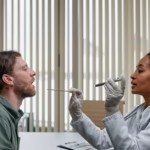
These symptoms are rare, but they can indicate that the infection has spread beyond the sinus cavity. A doctor can perform a physical examination, potentially look into your nasal passages with a small scope, and determine if you are dealing with a standard viral infection or a bacterial sinus infection that might benefit from specific medical interventions. Never attempt to diagnose these serious symptoms at home; your vision is far too important to leave to chance.
Managing Discomfort at Home
For standard sinus pressure, many people find relief through simple, non-invasive methods. Staying well-hydrated is one of the most effective ways to thin out mucus, which can help it drain more easily and reduce the pressure behind your eyes. Using a warm compress over the bridge of your nose and eyes can also help soothe the inflamed area and provide temporary relief from the aching sensation.
Steam inhalation is another time-honored practice. Whether you are taking a warm shower or breathing in steam from a bowl of hot water, the moisture helps lubricate the nasal passages. It is also important to consider your environment. Using a humidifier in your bedroom can keep the air from becoming too dry, which often irritates sensitive sinus tissues further. While you are recovering, be gentle with yourself. Prioritize rest, and avoid strenuous activity until you are feeling more like yourself.
Understanding the Connection to Other Health Areas
It is worth noting that sinus health is often a reflection of your broader physiological state. For instance, maintaining a balanced approach to Nutrition & Diet ensures that your immune system has the vitamins and minerals necessary to fight off infections quickly. Eating a variety of whole foods can provide the support your body needs to recover from minor ailments before they become a persistent nuisance.
Similarly, your Mental Health is closely tied to your physical well-being. When we are chronically ill or dealing with persistent sinus pain, it is natural to feel drained, irritable, or anxious. Acknowledging that these feelings are a normal part of being unwell can help you stay patient with your recovery process. If you find that your physical discomfort is consistently affecting your mood or your ability to function, reaching out to a healthcare provider is a proactive and healthy step to take.
Differentiating Sinus Pain from Other Conditions
Sometimes, people confuse sinus-related eye pain with other conditions, such as tension headaches or migraines. A tension headache often feels like a tight band around the head, whereas sinus pain is usually localized to the face and eyes. Migraines, on the other hand, are often accompanied by light sensitivity and nausea. If your “sinus” pain does not improve with standard congestion treatments or if it occurs alongside symptoms that don’t fit the typical sinus infection profile, it is wise to consult a doctor to rule out other causes.
Furthermore, persistent eye pain can sometimes be related to vision issues that have nothing to do with your sinuses. If you find yourself squinting frequently or experiencing eye strain, you may be due for a routine eye exam. It is easy to blame the sinuses for everything happening in the facial region, but a comprehensive approach to your health involves looking at all the possible factors.
The Importance of Patience
Recovery is rarely a linear process. You might feel better one day and slightly worse the next. This is typical for many viral infections. By staying hydrated, keeping your environment clean, and listening to your body’s need for rest, you create the best possible conditions for your immune system to do its job. Avoid the urge to “power through” your day if you are feeling significant pressure; your body is sending you a signal that it needs to pause.
If you have been feeling eye socket pressure for more than ten days without any sign of improvement, or if you had a period of improvement followed by a sudden worsening of symptoms, it is time to seek professional advice. These can be signs of a secondary bacterial infection that may require a different treatment plan. Always consult with a doctor or a qualified healthcare professional regarding any personal medical concerns, especially when they involve the delicate structures of your face and eyes.
In summary, while sinus infections are a common cause of eye socket pressure, they should be monitored with care. By understanding the anatomy of the situation, practicing good self-care, and knowing when to seek professional help, you can navigate these uncomfortable episodes with confidence and ensure that you are taking the best possible care of your health.
Maintaining Long-Term Sinus Health
Once you have moved past the acute phase of an infection, consider what steps you can take to keep your sinuses healthy in the future. Many people find that managing seasonal allergies is a key component of preventing recurring sinus pressure. If you notice that your eye pain consistently flares up during specific times of the year, talk to your doctor about allergy management strategies.
Consistent daily habits, like keeping your home free of dust and pet dander, can also play a major role in long-term sinus health. By reducing the load of irritants your body has to deal with every day, you make it easier for your sinuses to stay clear and functional. Wellness is an ongoing journey, and paying attention to these small, preventative details can save you a great deal of discomfort down the road.
Ultimately, your health is your most valuable asset. If you are experiencing pain, do not hesitate to reach out to a professional. A doctor can provide the clarity and treatment path you need to get back to feeling your best, whether that involves simple home care or a more targeted medical approach. Stay informed, stay patient, and prioritize your well-being.
This article is for general educational purposes and is not a substitute for professional medical advice. Always consult a qualified healthcare provider about your individual health needs.