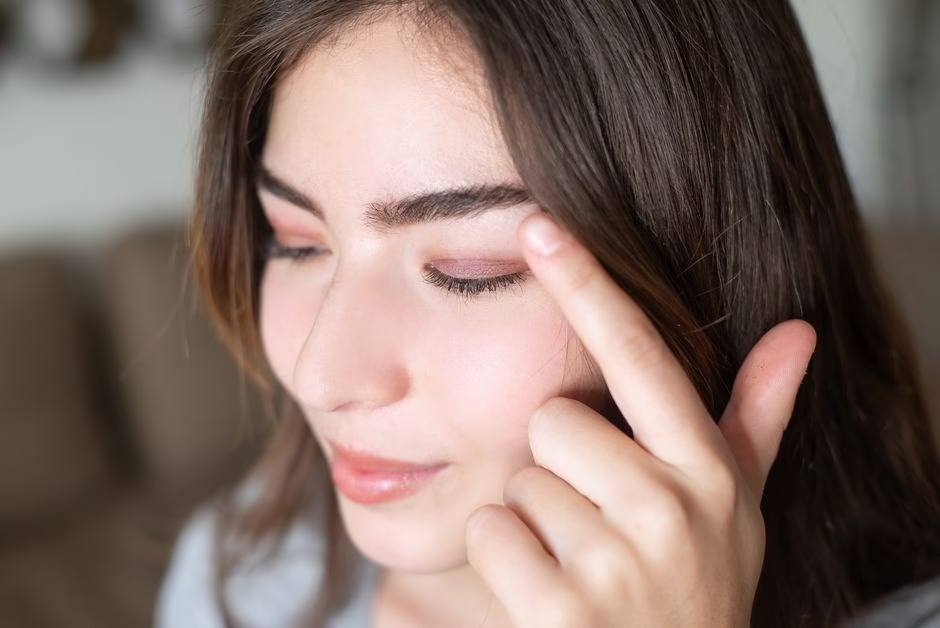
When you are dealing with a sinus infection, often referred to by doctors as sinusitis, the discomfort rarely stays confined to just your nose. Many people find that their symptoms radiate outward, specifically affecting the area around their eyes. This sensation can be confusing and even a little worrying, as our eyes are sensitive and vital organs. However, it is quite common for the inflammation in your sinus cavities to manifest as pressure, pain, or irritation near the ocular region.
The Anatomy of Your Sinuses and Eyes
To understand why a sinus infection causes issues near your eyes, it helps to look at the anatomy of the skull. You have several pairs of air-filled cavities called paranasal sinuses. These include the frontal sinuses, which are located in the forehead right above your eyes, and the ethmoid sinuses, which are situated between your eyes. Because these cavities are located in such close proximity to the eye sockets, it is easy to see why inflammation in these areas can affect your vision or the surrounding skin.
When you have an infection, the lining of these sinuses becomes inflamed and swollen. This swelling often leads to a buildup of mucus, which creates pressure. Because there is so little space between the sinuses and the eyes, that pressure can press against the nerves or tissues surrounding the eye. This is why you might feel a dull, throbbing ache directly behind or around your eyes when you have a cold or a sinus infection.
Common Eye-Related Symptoms of Sinusitis
While everyone experiences sinus infections differently, there are a few common ways these infections manifest in the ocular area. The most frequent complaint is a feeling of deep-seated pressure behind the eyes. Some people describe this as a heavy sensation, while others report a sharp, stabbing pain that worsens when they bend over or lean forward. This positional pain is a hallmark sign that your sinuses are involved.
You may also notice puffiness or swelling of the eyelids. This occurs because the fluid buildup in the sinuses affects the drainage of the tissues in the surrounding area. Furthermore, some people experience increased sensitivity to light, known as photophobia, or a general feeling of eye fatigue. It is important to note that while these symptoms are uncomfortable, they are usually a result of the pressure and inflammation in the sinuses rather than an infection of the eye itself.
Differentiating Sinus Pressure from Eye Issues
It is natural to wonder if your eye discomfort is related to your sinuses or a separate issue entirely, such as eye strain or allergies. One of the best ways to tell the difference is to monitor your other symptoms. If your eye pain is accompanied by nasal congestion, a reduced sense of smell, or a thick, discolored nasal discharge, it is very likely that your sinuses are the culprit. Conversely, if your eyes are itchy, red, or watering profusely without significant nasal involvement, you might be dealing with an allergy or a direct eye infection.
If you find that your eye pain is accompanied by blurred vision, double vision, or a significant change in how you see, it is time to stop guessing and consult a medical professional. While sinus pressure is generally manageable, sudden changes in vision should always be evaluated by a doctor to rule out more serious complications. Maintaining good Hygiene & Sanitation, such as washing your hands frequently during cold and flu season, can help prevent the spread of viruses that lead to sinus infections in the first place.
When to See a Doctor
Most sinus infections are viral and will resolve on their own with time, rest, and supportive care. However, there are instances where you should seek medical advice. If your symptoms last longer than ten days without improvement, or if you develop a high fever, it is a good idea to visit your primary care provider. Furthermore, if you experience swelling that causes your eye to bulge, or if you have difficulty moving your eye, you should seek medical attention promptly.
A doctor can help determine if your sinus infection is viral or bacterial. If it is bacterial, they may discuss treatment options with you. Remember, do not attempt to self-diagnose or rely on anecdotal advice. Your healthcare provider is the best person to evaluate your specific symptoms and provide a treatment plan tailored to your needs. They can also offer guidance on managing the discomfort while you recover.
Lifestyle Factors and Recovery
Supporting your immune system is a key part of recovering from any illness. While you are recovering, focus on keeping your body hydrated, which helps thin the mucus in your sinuses and makes it easier to drain. Incorporating a balance of Nutrition & Diet—focusing on whole foods, fruits, and vegetables—can provide the vitamins and minerals your body needs to fight off infections. Staying well-nourished helps your immune system function at its best, which is essential during recovery.
Additionally, pay attention to your Stress Management techniques. When we are sick, our bodies are under a great deal of physical stress. Finding ways to rest, whether through gentle stretching, meditation, or simply getting enough sleep, can help your body redirect its energy toward healing. Chronic stress can sometimes prolong the duration of an illness, so taking a step back from your daily responsibilities to focus on rest is a vital part of your healing process.
Managing Discomfort at Home
While you wait for your body to heal, there are several ways to manage the pressure around your eyes. A warm, moist compress applied to the area around your eyes can help soothe the muscles and relieve some of the pressure. Be sure the cloth is not too hot, as the skin around your eyes is delicate. Keeping your head elevated, especially while sleeping, can also encourage the sinuses to drain more effectively, which may reduce the pressure you feel when you wake up in the morning.
You might also consider using a saline nasal rinse or a humidifier in your home. These tools help keep the nasal passages moist and prevent the mucus from becoming too thick, which in turn reduces the pressure that travels to the eye area. It is important to follow the instructions for any nasal irrigation device carefully to ensure you are using sterile water and keeping the equipment clean, as proper maintenance is essential for safety.
The Connection Between Mind and Body
It is worth noting that persistent discomfort can take a toll on your Mental Health. Feeling unwell for several days can lead to irritability, anxiety, or a feeling of helplessness. It is important to acknowledge that it is okay to feel frustrated when you are not at your best. Be patient with yourself and recognize that physical recovery often takes time. Engaging in light, calming activities that do not strain your eyes, such as listening to music or an audiobook, can help keep your spirits up while you recover.
Remember that your symptoms are likely temporary. Most sinus infections are self-limiting, meaning your body is equipped to handle them. However, if your mental well-being is being significantly impacted by your physical health, do not hesitate to reach out to a professional for support. Taking care of your mind is just as important as taking care of your physical symptoms.
Preventative Measures for the Future
While you cannot avoid every cold or virus, there are steps you can take to lower your risk of recurrent sinus infections. Staying consistent with regular Exercise & Fitness routines can help keep your immune system resilient. Simple habits, such as avoiding cigarette smoke, using air purifiers if you have indoor allergies, and keeping your living space clean, can also make a significant difference in the health of your sinuses.
If you find that you suffer from frequent sinus infections, it may be beneficial to keep a journal of when your symptoms occur. Note the time of year, your environment, and any potential triggers. You can share this information with your doctor, who may investigate whether allergies or structural issues in your nose are contributing to your frequent discomfort. Armed with this knowledge, you can take proactive steps to protect your health throughout the year.
A Final Note on Seeking Care
The information provided here is for educational purposes and is not a substitute for professional medical advice. Every individual is unique, and what works for one person may not be the right path for another. If you have concerns about the pressure or pain near your eyes, please contact a healthcare professional. They can perform an examination, look at the inside of your nose and ears, and determine the exact cause of your symptoms.
Do not wait for symptoms to become severe before seeking help. Early intervention can often prevent a minor sinus issue from becoming more troublesome. By listening to your body, maintaining healthy habits, and working with your doctor, you can navigate sinus-related discomfort with confidence and focus on getting back to your normal, healthy self.
The Psychological Impact of Chronic Sinus Pressure
Living with persistent sinus-related eye discomfort can take a significant toll on your mental well-being. Chronic physical pain or the constant sensation of pressure behind the eyes often leads to heightened irritability, fatigue, and difficulty concentrating on daily tasks. When symptoms do not resolve quickly, many individuals experience increased anxiety regarding their health, which can create a feedback loop where stress exacerbates the perception of physical pain. Acknowledging that your frustration is a valid response to chronic discomfort is a crucial first step in managing your overall mental health during a recovery period.
Strategies for Managing Stress During Recovery
To support your mental health while managing sinus-related eye symptoms, it is important to implement self-care practices that reduce sensory overload. Because sinus pressure can make the eyes sensitive to light and strain, creating a calm environment—such as dimming lights or practicing guided meditation—can lower your physiological stress response. Incorporating gentle breathing exercises can also help distract the mind from localized facial discomfort. If you find that your symptoms are causing persistent worry or significantly impacting your ability to function, reaching out to a mental health professional can provide you with effective coping strategies to navigate the stress associated with chronic illness.
This article is for general educational purposes and is not a substitute for professional medical advice. Always consult a qualified healthcare provider about your individual health needs.