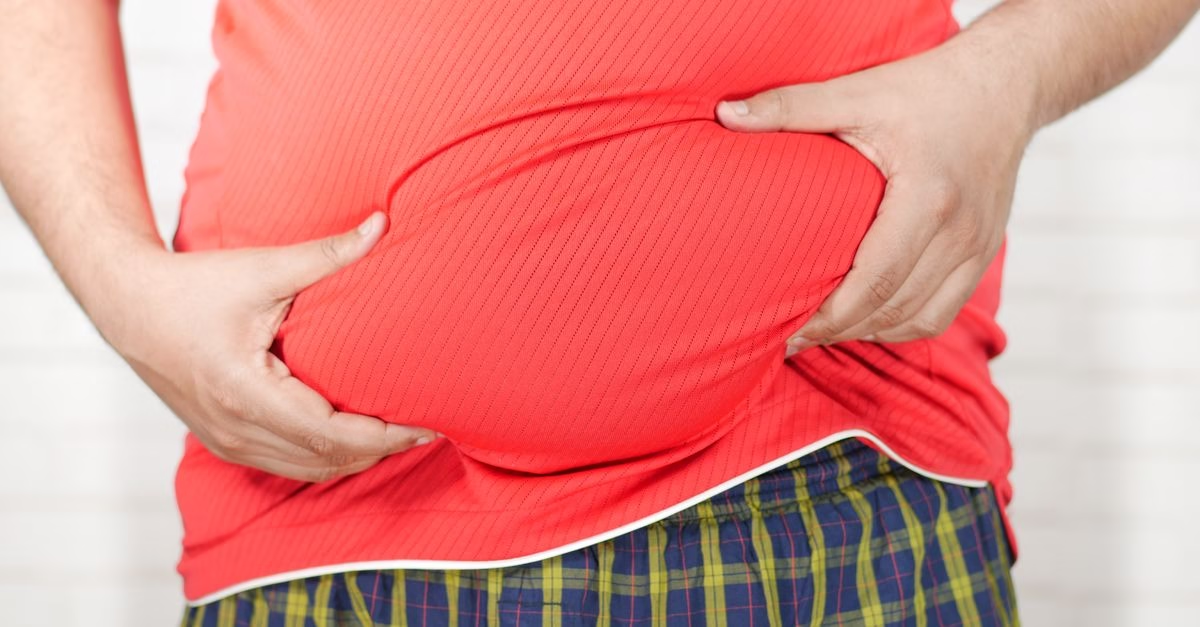
If you’ve ever curled up in bed only to feel like a balloon filling up, you might be asking yourself, “Why am I bloated at night?” It’s a question many people can relate to. Bloating refers to that uncomfortable feeling in your belly when it seems to swell or expand. For some, this happens consistently at night, leading to frustrating evenings. So, if you’re searching for answers, you’re certainly not alone! Understanding the reasons behind nighttime bloating can help you find relief and get back to enjoying your evenings.
What is Why am I bloated at night?
At its core, nighttime bloating is a symptom where your belly feels full, swollen, or painful, especially during the evening. Bloating can be caused by many factors including what you eat, how you eat, and even how your body processes food. When you eat, your digestive system works hard to break down what you consume, and sometimes this process doesn’t go as smoothly as you’d like. Understanding this can help you identify what might be contributing to your discomfort at night.
Why Does Why am I bloated at night? Happen?
One possible reason for bloating at night could be related to eating habits during the day. If you rush through meals or load up on gas-producing foods, it can lead to a buildup of gas in your digestive system. Another common factor is your choice of foods; certain choices can trigger bloating in different individuals. In some people, digestive conditions such as irritable bowel syndrome (IBS) or food intolerances can cause increased sensitivity to bloating symptoms. Research suggests that lifestyle choices, such as stress, might also play a role in how your body digests food, leading to discomfort at night.
Common Causes of Why am I bloated at night?
Overeating: One common cause for bloating at night is simply eating too much during your evening meal. When you fill your stomach to the brim, it can stretch and lead to that uncomfortable feeling of fullness. Cutting down portion sizes or having smaller meals throughout the day can help ease this.
Gas-producing Foods: Certain foods like beans, carbonated drinks, and cruciferous vegetables (like broccoli and cabbage) can create extra gas in your stomach. If you notice increased bloating after eating these foods, you may want to limit them in the evening.
Food Intolerances: Some people may experience bloating due to food intolerances, such as lactose intolerance or gluten sensitivity. If you find that certain foods consistently lead to bloating, consider tracking what you eat and discussing it with a healthcare professional.
Slow Digestion: For some people, digestion can slow down in the evening, especially if you’re less active after dinner. This slower physical movement may lead to feelings of fullness and bloating. Staying active during the day and including light physical activity after meals can help your digestion.
Hormonal Changes: Hormones also play a role in how our bodies process food. For women, hormonal fluctuations during their menstrual cycle can lead to increased bloating in the evenings. Remember, this is a normal part of many women’s experiences, and keeping an eye on your cycle can help you prepare for these changes.
Signs and Symptoms to Watch For
Common symptoms of nighttime bloating include a swollen abdomen, discomfort, and feeling unusually full after eating meals. While occasional bloating may be normal, be aware of these signs that could indicate a need for further evaluation:
- Persistent pain or cramps in your abdomen
- Changes in your stool or bowel habits
- Unexplained weight loss
- Severe bloating that doesn’t resolve
Should you experience any of these symptoms regularly, it might be wise to consult a healthcare professional.
What Can Make Why am I bloated at night? Worse?
Several lifestyle and dietary choices might worsen nighttime bloating, and it’s useful to be mindful of these factors:
- Diet: High-sodium foods can lead to water retention, worsening bloating. Consider eating fresh, whole foods and avoiding processed snacks.
- Eating Habits: Eating too quickly can cause you to swallow more air, which can lead to bloating. Slow down, chew well, and savor your meals.
- Hydration: Inadequate water intake can cause your body to retain water, leading to feelings of fullness. Aim to drink enough water throughout the day!
- Stress: High stress levels can affect your digestive system. Incorporating relaxation techniques like yoga or meditation may help.
- Physical Activity: A sedentary lifestyle can contribute to slower digestion. Regular exercise helps keep your digestive system running smoothly.
Foods and Drinks Related to Why am I bloated at night?
Some foods might contribute to nighttime bloating, while others can help ease it. Here are some suggestions:
- Foods that may worsen bloating: Beans, lentils, dairy products (for lactose-intolerant individuals), onions, and certain vegetables like cabbage can increase gas.
- Foods that may help: Bananas, yogurt (if tolerated), ginger, and peppermint may provide digestive support.
- The role of hydration: Drinking enough fluids, particularly water, can promote better digestion and reduce bloating feelings.
Keep in mind that responses to food can vary from person to person. It’s important to identify what works best for your body.
What Can We Do About Why am I bloated at night?
Here are some practical steps that might help reduce nighttime bloating:
- Eat smaller meals: Breaking down your meals into smaller portions can ease the burden on your digestive system.
- Slow down when eating: Taking your time during meals can reduce the amount of air you swallow, minimizing bloating.
- Maintain a food diary: Tracking what you eat can help identify foods that may trigger bloating for you.
- Stay active: Incorporate light exercises, such as walking, after meals to help promote digestion.
- Practice relaxation techniques: Stress management can play a significant role in digestive health. Consider mindfulness or yoga as part of your routine.
When Should We See a Doctor About Why am I bloated at night?
While bloating can often be managed at home, there are times when it’s essential to reach out to a healthcare professional. Consider seeking medical advice if you experience:
- Severe or persistent abdominal pain
- Blood in your stool or urine
- Unexplained weight loss or appetite changes
- Persistent vomiting or nausea
- Worsening symptoms despite making lifestyle changes
- Severe bloating that becomes more intense or lasts longer than usual
Frequently Asked Questions About Why am I bloated at night?
Why am I always bloated at night?
Regular nighttime bloating can stem from consistent eating habits, types of food consumed, and digestive conditions. Tracking these patterns can help pinpoint the cause.
Can food cause Why am I bloated at night?
Yes, certain foods can contribute to bloating. High-fiber foods, like beans and cruciferous vegetables, or lactose-containing foods in lactose-intolerant individuals, can cause gas buildup.
When should I worry about Why am I bloated at night?
If bloating is accompanied by severe or persistent pain, blood in your stool, or unexplained weight loss, it’s wise to consult with a healthcare professional.
Does drinking water help with bloating?
Yes, staying hydrated can help your body manage bloating as it aids in digestion and reduces water retention.
Are there medications for nighttime bloating?
Over-the-counter medications may help alleviate symptoms, but it’s important to talk to a healthcare professional about what might work best for you.
Can stress lead to nighttime bloating?
Absolutely. Stress can disrupt your digestive processes, leading to bloating and discomfort.
Is bloating at night common?
Yes, many people experience bloating at night. It’s often linked to how and what we eat throughout the day.
What lifestyle changes can help reduce bloating?
Simple adjustments like eating smaller meals, staying active, and managing stress can significantly help reduce bloating.
What the Research Says About Why am I bloated at night?
Research indicates that bloating, especially at night, can be influenced by various factors ranging from dietary choices to digestive health. A study published in the American Journal of Gastroenterology found that individuals with IBS often report increased bloating in the evening due to a combination of dietary triggers and gut function changes. According to the NIH, understanding one’s digestive health can reveal vital insights into managing bloating effectively.
Though evidence continues to grow, it remains important to discuss your unique symptoms with a healthcare provider to pinpoint specific causes. Systematic reviews in peer-reviewed journals highlight that lifestyle changes, such as eating habits, hydration, and stress management, can make a significant difference in overall digestive health.
Simple Daily Habits That May Support Better Health
Incorporating small, healthy habits into your life can greatly support your digestive system and help ease bloating. Consider these tips:
- Stay hydrated: Drinking enough water supports digestion and helps manage bloating.
- Regular physical activity: Aim for at least 30 minutes of moderate exercise most days.
- Monitor diet: Focus on a balanced diet rich in fruits, vegetables, and whole grains, while limiting processed foods.
- Manage stress: Regularly take time to relax and recharge—this can help your overall digestive health.
- Practice mindful eating: Focus on your meals—this can lead to better digestion and enjoyment of food.
Final Thoughts
Nobody enjoys the feeling of being bloated at night, but recognizing that it’s a common experience can help ease some of the frustration. By understanding the potential causes, watching your diet, and making simple lifestyle changes, you can often find relief. We often overlook how our daily habits affect our digestion, but with a little mindfulness, we can pave the way for better overall health.
If you notice that bloating persists or worsens, it’s essential to consult with a healthcare professional. Our bodies are unique, so it’s crucial to find the right strategies that work for you. Together, we can strive to enjoy comfortable evenings without the uncomfortable bloat!
Sources and References
National Institutes of Health: Understanding bloating. Available at: www.nih.gov
Cleveland Clinic: Bloating: Causes and Treatment. Updated August 2023. Available at: my.clevelandclinic.org
Mayo Clinic: Gas and bloating: What to include in your diet. Available at: www.mayoclinic.org
American Gastroenterological Association: Bloating: Exploring the causes. Available at: www.gastro.org
Harvard T.H. Chan School of Public Health: The digestive health revolution. Available at: www.hsph.harvard.edu
Medical Disclaimer
This article is for general educational and informational purposes only. It is not intended to provide medical advice, diagnosis, or treatment. Health conditions can affect people differently, and information that is appropriate for one person may not be appropriate for another. If you have persistent, severe, or concerning symptoms, speak with a qualified healthcare professional for personalized advice.
Further Reading
Ivf Shot Schedule: 10 Things You Should Know
Omeprazole and Alcohol: Is It Safe to Mix?
what does a growth spurt in pregnancy feel like
Photo by Towfiqu barbhuiya on Pexels.