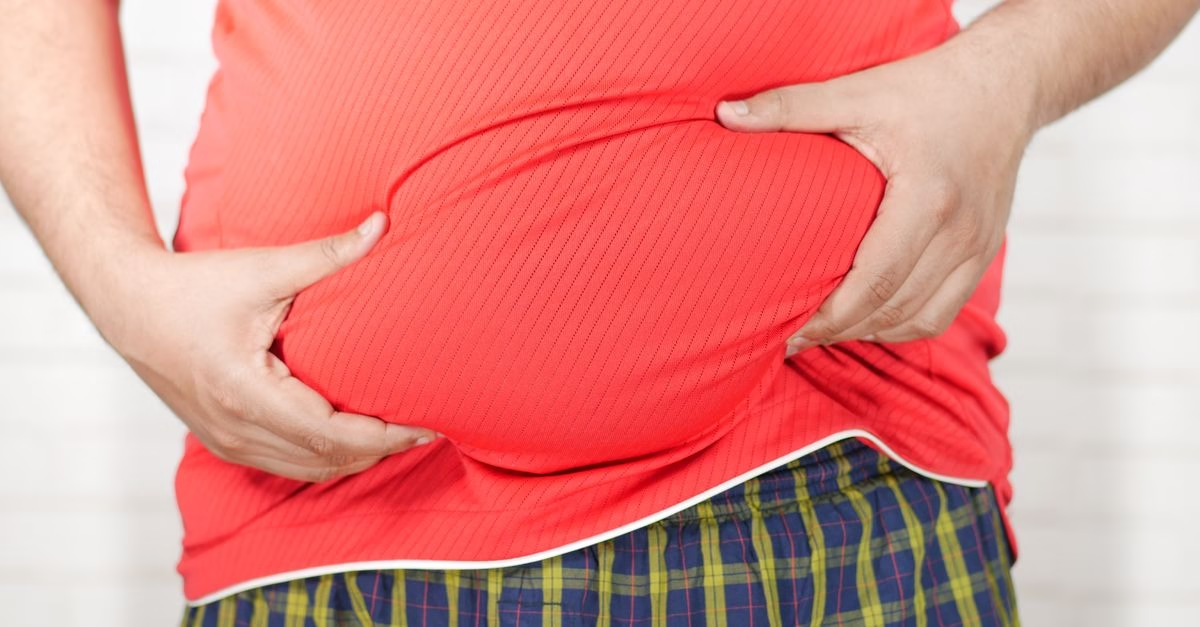
If you’ve found yourself asking, “Why is my upper stomach bloated?” you’re not alone! Many people in the U.S. experience bloating, which can feel uncomfortable and perplexing. Bloating occurs when your belly feels full and tight, often accompanied by an expansion in size. It may happen after eating or during times of stress, and it can sometimes cause discomfort or pain. People search for reasons behind this sensation to understand whether their experience is common or if it could indicate something more serious.
Understanding bloating, especially in the upper stomach area, is essential because it can stem from various factors—some as simple as dietary choices, while others may relate to digestive health conditions. In this article, we will explore what could be causing that bloated feeling, when it’s a good idea to consult a healthcare professional, and what steps you can take to help alleviate discomfort. Let’s dive in!
What Does This Mean?
Bloating in the upper stomach refers to the sensation of fullness and swelling that often occurs in the abdominal area just below the rib cage. Some important terms related to this sensation include:
- Bloating: An increase in gas or fluid in the stomach and intestines that leads to a feeling of fullness or distension.
- Gas: Air in the digestive tract that can build up and cause bloating, often due to swallowing air or the breakdown of certain foods.
- Digestive symptoms: Other common indicators of digestive issues, such as constipation, diarrhea, or heartburn.
When someone searches for the question, “Why is my upper stomach bloated?” they’re often looking for answers related to symptoms they’ve experienced. It’s vital to assess your diet, lifestyle, and any accompanying symptoms that might help to clarify the situation further.
Why Does this Happen?
There are several possible reasons for upper stomach bloating, and it often affects people differently. One common reason is the types of foods we consume. For example, fatty meals, carbonated beverages, and dairy products can lead to feelings of fullness and gas. Research suggests that certain foods may be harder to digest for some people, leading to bloating.
Another factor could be related to how quickly we eat. Eating too fast can cause us to swallow air, which can contribute to that bloated feeling. In some people, gut health and balance of gut bacteria can also play a role in bloating. Thus, it’s crucial to note that the causes can vary widely from person to person.
Common Causes
Dietary Choices: One of the primary causes of upper stomach bloating is the food we eat. Foods high in carbohydrates, such as beans, lentils, and certain vegetables (like broccoli and onions), can produce gas during digestion. You may notice bloating after consuming these foods, indicating that they might not sit well with your digestive system.
Swallowing Air: We often swallow air when we eat too quickly or drink carbonated beverages. This excess air can accumulate in the stomach and lead to bloating. If you often gulp down your meals or enjoy fizzy drinks, this could be a contributing factor.
Constipation: When you’re not regular with bowel movements, waste can build up in your intestines, causing bloating. If you feel bloated and also notice infrequent or painful bowel movements, constipation might be a culprit.
Food Intolerances: Some people may have difficulties digesting certain foods, such as lactose in dairy products or gluten in wheat. If you notice patterns of bloating after indulging in specific foods, consider keeping a food diary to track your symptoms.
Stress and Anxiety: Believe it or not, stress can also affect the digestive process. The gut and brain are closely connected, and stress can sometimes lead to discomfort and bloating. If you’ve been feeling stressed or anxious, try to incorporate relaxation techniques into your routine, like mindful breathing or yoga.
Signs and Symptoms to Watch For
Common symptoms of upper stomach bloating may include:
- A feeling of fullness or tightness in the stomach
- Visible swelling or distension of the abdomen
- Gas or flatulence
- Abdominal pain or discomfort
However, if you notice persistent or worsening symptoms, such as severe pain, blood in stool, or unintended weight loss, it’s essential to seek medical advice. Remember, occasional bloating can be perfectly normal, but knowing when to pay attention to your symptoms is key.
What Can Make it Worse?
Several lifestyle and dietary factors can exacerbate upper stomach bloating. Here are some to keep an eye on:
- Diet: Foods that are hard to digest, such as high-fat foods, carbonated drinks, and certain sugars, can worsen bloating.
- Eating Habits: Eating swiftly or while distracted may lead to swallowing extra air, further increasing bloating.
- Hydration: Not drinking enough water can lead to constipation, which in turn may contribute to bloating.
- Sleep and Stress: Lack of sleep and high-stress levels can disrupt digestive function, contributing to feelings of bloating.
Foods and Drinks Related to the Topic
Some foods can help alleviate bloating, while others can make it worse. Here is how certain foods may affect you:
Foods that may help: Gentle foods like bananas, ginger, and yogurt can help ease digestive distress for some individuals. Additionally, herbal teas like peppermint can be soothing.
Foods that may worsen bloating: Be cautious with foods that are high in sugars (like beans and certain fruits) or foods including dairy if you are lactose intolerant. Pay attention to your body’s signals to identify patterns.
What Can We Do?
There are several practical steps you can consider to help manage bloating:
- Mindful Eating: Slow down when you eat. Savor your food to minimize the air you swallow.
- Stay Hydrated: Drink plenty of water to help digestion and prevent constipation.
- Keep a Food Diary: Track your food intake and symptoms to identify potential triggers.
- Regular Exercise: Incorporate moderate physical activity into your routine. Even a brisk walk can aid digestion.
These habits may support better digestive health and help manage upper stomach bloating.
When Should You See a Doctor?
While bloating is often harmless, there are situations where seeing a doctor is crucial. Consider consulting a healthcare professional if you experience:
- Severe or persistent abdominal pain
- Blood in your stool
- Unexplained weight loss
- Persistent vomiting
- Difficulty swallowing
- Signs of fever or severe weakness
These symptoms may indicate an underlying condition that requires medical attention. It’s always better to be cautious and talk to a professional if you have concerns.
Frequently Asked Questions
Why am I always bloated?
Chronic bloating can often be linked to ongoing dietary choices, digestive disorders, or even stress. Keeping track of your eating habits and consulting a healthcare provider can help identify the cause.
Can food cause upper stomach bloating?
Absolutely. Certain foods can contribute to bloating, particularly those that are high in sugars or difficult to digest. It’s important to identify which foods may be triggering your symptoms.
When should I worry about my upper stomach bloating?
If bloating is accompanied by severe pain, blood in your stool, unexplained weight loss, or vomiting, it’s wise to seek medical attention.
Does drinking water help with bloating?
Yes, staying hydrated can aid digestion and mitigate bloating. Just be mindful not to consume large amounts of water during meals, as this may also contribute to the sensation.
How can I prevent bloating after meals?
Eating smaller meals, waiting before lying down, and avoiding carbonated beverages can help prevent after-meal bloating.
Could I be lactose intolerant?
If you notice bloating after consuming dairy products, it might be worth discussing lactose intolerance with your doctor.
Are there any exercises that can help with bloating?
Gentle exercises like walking, yoga, or stretching can help promote digestion and reduce feelings of bloating.
Can stress really cause bloating?
Yes, stress affects the gut-brain connection, which can lead to digestive disturbances and bloating.
What the Research Says About Why is My Upper Stomach Bloated?
Research shows that dietary choices and lifestyle factors significantly impact bloating. A systematic review in the journal Nutrients indicated that specific foods like wheat and dairy could lead to unwanted gas and bloating in sensitive individuals. Additionally, studies have shown that mindfulness and stress reduction techniques can help improve digestive health.
Overall, evidence suggests that maintaining a balanced diet, staying active, and managing stress can contribute to mitigating bloating. However, more longitudinal studies are needed to fully understand the mechanisms behind bloating and gas production.
Simple Daily Habits That May Support Better Health
Incorporating simple habits into your daily routine can dramatically help manage and reduce bloating. Consider the following:
- Start your day with hydration: Drinking water first thing can kick-start your digestive system.
- Practice mindful eating: Take time to chew your food thoroughly and appreciate it; this can enhance digestion.
- Take regular walks: A short walk post-meal can help support digestion and reduce bloating.
- Stress management: Establishing a routine with consistent relaxation techniques can have a positive impact on gut health.
Final Thoughts
Bloating in the upper stomach can be a pesky issue, often tied to our eating habits, stress levels, and the types of food we choose. We often find that many factors contribute to this uncomfortable sensation, and understanding what triggers it can help us manage the feeling more effectively. Simple changes in diet and lifestyle can sometimes yield significant improvements in digestive comfort.
If you experience recurring bloating, it’s essential to listen to your body and consult a healthcare professional if needed. Together, we can navigate this experience with the right information and support, ensuring our paths toward digestive comfort and health are as smooth as possible.
Sources and References
National Institutes of Health: Understanding Bloating. 2021. https://www.nhlbi.nih.gov/health-topics/bloating
Mayo Clinic: Bloating: Causes & Treatment. 2023. https://www.mayoclinic.org/diseases-conditions/bloating/symptoms-causes/syc-20301787
Cleveland Clinic: Bloating: What You Need to Know. 2022. https://my.clevelandclinic.org/health/diseases/9570-bloating
Harvard T.H. Chan School of Public Health: Tips for a Healthy Gut. 2023. https://www.hsph.harvard.edu/nutritionsource/gut-health/healthy-gut/
American Gastroenterological Association: Bloating: What to Know. 2021. https://www.gastro.org/practice-tools/patient-resources/bloating
Medical Disclaimer
This article is for general educational and informational purposes only. It is not intended to provide medical advice, diagnosis, or treatment. Health conditions can affect people differently, and information that is appropriate for one person may not be appropriate for another. If you have persistent, severe, or concerning symptoms, speak with a qualified healthcare professional for personalized advice.
Further Reading
Ivf Shot Schedule: 10 Things You Should Know
Omeprazole and Alcohol: Is It Safe to Mix?
what does a growth spurt in pregnancy feel like
Photo by Towfiqu barbhuiya on Pexels.