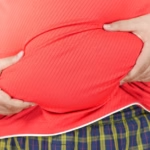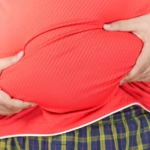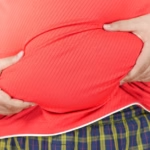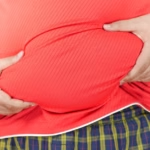
If you’ve ever wondered, “Why do I get bloated after lunch?” you’re not alone. Many people experience this uncomfortable feeling after eating, and it can leave you wondering what’s going on in your body. Bloating is a common digestive issue characterized by swelling in the abdomen, which can be brought on by various factors. Understanding why this happens can help you manage it better and get back to feeling your best.
Our bodies can react differently to what we eat, how we eat, and even our physical and emotional states. If you often feel a tight or puffy stomach after your lunch break, it’s worth exploring the causes behind this experience. Let’s dig a bit deeper into the different reasons you might feel bloated after lunch, and what you can do to address it effectively!
What Does This Mean?
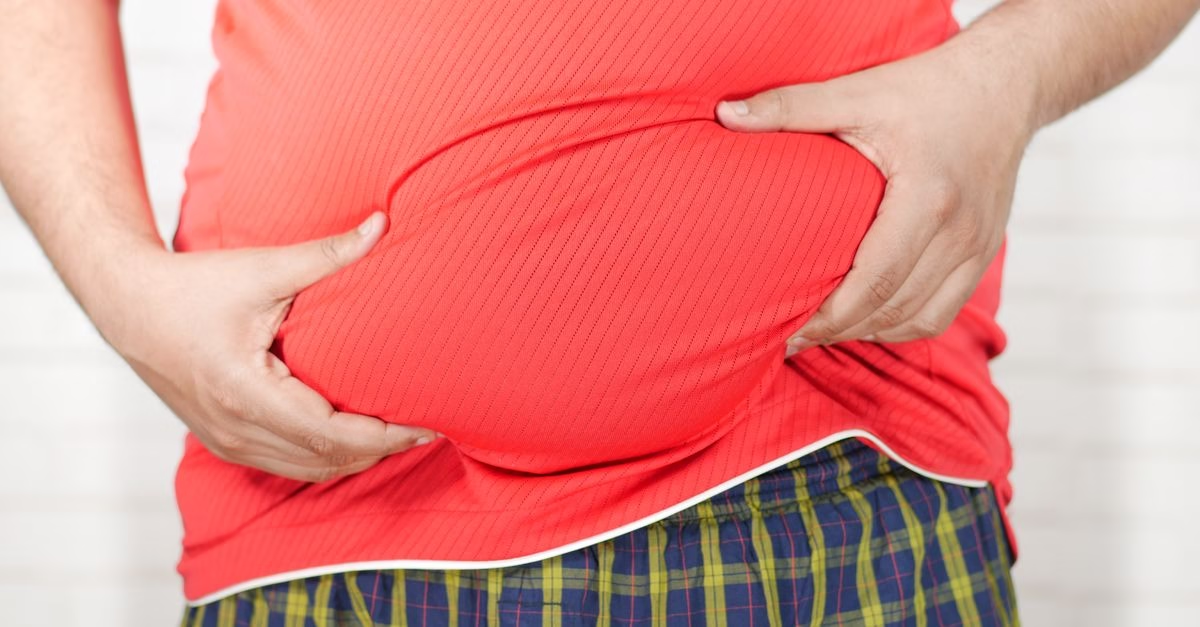
Bloating occurs when your stomach feels full or swollen, sometimes making it uncomfortable. It can happen at any time of the day, but many users report feeling it more after lunch. Factors contributing to bloating can include the types of foods consumed, how quickly one eats, and individual digestive health. For instance, if you’ve ever eaten a large meal quickly, you might notice that bloating follows.
It’s also important to mention that certain foods may contribute to bloating more than others. In some cases, bloating could be tied to food intolerances or digestive issues. Understanding these factors can help you make informed choices during lunchtime.
Why Does this Happen?
There are several potential reasons for feeling bloated after lunch. One reason might be the way you eat. If you tend to rush through your meal, you might swallow air alongside your food. This excess air can build up in your digestive system, leading to a bloated feeling.
Another factor could be the foods you include in your lunch. Some foods, particularly those high in fiber or certain carbohydrates, can cause gas and swelling when they’re broken down by your digestive system. Research suggests that certain dietary patterns may also play a role in how your body reacts post-lunch.
Common Causes
Here are some common reasons why you might feel bloated after eating lunch:
1. Eating Quickly
What it is: Eating fast can lead to swallowing air, which can be trapped in your digestive tract.
How it relates to bloating: This air can create a feeling of fullness and discomfort.
What to notice: If you feel bloated after meals, check your eating speed. You may notice it happens more often when you’re in a hurry.
What to do: Try slowing down, chewing your food thoroughly, and savoring each bite. This may help with digestion.
2. Food Choices
What it is: Some foods are more likely to cause bloating, especially those high in certain carbohydrates or sugar.
How it relates to bloating: Foods like beans, lentils, certain vegetables (like broccoli and cabbage), and carbonated drinks can produce gas.
What to notice: Keep track of which foods seem to correlate with your bloating episodes.
What to do: Consider reducing or modifying these foods at lunch and observe if that alleviates symptoms.
3. Food Intolerances
What it is: Some people have difficulty digesting specific foods, such as dairy or gluten.
How it relates to bloating: If your body struggles to break down certain substances, it may lead to gas production and bloating.
What to notice: If you often feel bloated after consuming particular foods, those might be the culprits.
What to do: Consult with a healthcare professional to explore possible intolerances.
4. Constipation
What it is: Slow movement of the digestive tract can lead to a buildup of waste.
How it relates to bloating: When you’re constipated, your abdomen may feel tighter and swollen.
What to notice: If you frequently feel bloated and experience irregular bowel movements, constipation could be a factor.
What to do: Ensure you’re getting enough fiber and hydration in your diet to support regular digestion.
Signs and Symptoms to Watch For
Common symptoms of bloating include a feeling of fullness, tightness in the abdomen, belching, or gas. While occasional bloating can be normal, some signs may indicate the need for medical advice. These include:
- Severe or persistent pain
- Blood in your stool
- Unexplained weight loss
- Persistent vomiting
- Difficulty swallowing
- Fever
If you notice any of these symptoms accompanying your bloating, it’s a good idea to seek medical advice.
What Can Make it Worse?
Several lifestyle choices and daily habits can worsen bloating. Here are a few to keep in mind:
- Diet: High-fat or sugary foods can be more challenging to digest.
- Eating Habits: Snacking frequently without giving your body time to digest can exacerbate feelings of fullness.
- Hydration: Not drinking enough water can lead to constipation and worsen bloating.
- Stress: Stress can impact digestion, potentially leading to bloating.
- Physical Activity: Lack of movement can slow digestion, increasing bloating.
Foods and Drinks Related to Bloating
Certain foods and drinks are more closely associated with bloating. Foods high in fiber, like beans and whole grains, can help with digestion for some people but can cause gas for others. Carbonated beverages, dairy products, and certain fruits like apples or pears may also lead to bloating in sensitive individuals.
Keep in mind that everyone reacts differently to food. It’s essential to pay attention to how your body feels after meals and identify patterns. You can either adjust your diet accordingly or seek help if necessary.
What Can We Do?
If you’re struggling with bloating after lunch, consider these practical tips:
- Eat Mindfully: Slow down and enjoy your food. Taking smaller bites can help reduce swallowed air.
- Choose Foods Wisely: Consider keeping track of which foods cause discomfort and adjust your meals accordingly.
- Drink Water: Staying hydrated can help promote digestion and reduce bloating.
- Exercise: Light physical activity, like walking, can aid digestion and help relieve bloating.
- Practice Stress Management: Try incorporating meditation or deep breathing exercises into your routine to help manage stress.
When Should You See a Doctor?
If bloating becomes a regular occurrence or is accompanied by concerning symptoms like severe pain or blood in your stool, it’s time to talk to a healthcare professional. It’s essential to rule out any underlying conditions that may need attention.
Frequently Asked Questions
Why am I always bloated after lunch?
There could be various reasons, including food choices, the speed of eating, or possible food intolerances. It’s worth observing your eating habits and what you consume during lunch.
Can food cause bloating after lunch?
Yes, certain foods, especially those high in fiber or sugar, can lead to gas and bloating in some people.
When should I worry about bloating after lunch?
If bloating is severe, persistent, or accompanied by concerning symptoms such as pain, weight loss, or digestive issues, it’s advisable to seek medical advice.
Does drinking water help with bloating?
Staying hydrated is essential and may help with digestion, thus potentially reducing bloating.
Can stress cause bloating?
Yes, stress can impact digestion and may contribute to feelings of bloating after meals.
What are some foods to avoid if I get bloated?
It can vary per person, but common culprits include high-fat foods, sugary items, and carbonated beverages. Keeping a food diary can help identify your triggers.
Should I be concerned about occasional bloating?
Occasional bloating isn’t usually a concern. However, recurring or painful bloating should be discussed with a healthcare provider.
How can I relieve bloating quickly?
Gentle exercise, drinking warm herbal teas, or practicing deep breathing can help alleviate bloating quickly for some individuals.
Is it normal to feel bloated after every meal?
While some bloating is normal, feeling bloated after every meal may indicate an issue worth discussing with a healthcare professional.
What the Research Says About Why do I get bloated after lunch?
Research highlights multiple factors contributing to post-meal bloating. A study in the American Journal of Gastroenterology found that rapid eating patterns can lead to gastrointestinal discomfort. A systematic review published in Gut indicates that foods containing certain carbohydrates (FODMAPs) can exacerbate bloating symptoms in sensitive individuals. However, research emphasizes the need for individualized approaches to managing bloating, as factors can vary widely from person to person.
Simple Daily Habits That May Support Better Health
To help manage bloating, consider incorporating small, manageable habits into your day-to-day routine. These can include:
- Planning regular meal times to avoid irregular eating patterns.
- Staying active to support digestive health.
- Keeping a food journal to track what you eat and how it makes you feel.
Final Thoughts
Bloating after lunch can be uncomfortable, but understanding its causes is the first step in managing it effectively. Our bodies respond differently based on numerous factors, including how we eat, what we eat, and our overall health. If we take a few steps to be mindful of our eating habits and make some small adjustments, we can often reduce these bloated feelings.
If you notice frequent or severe bloating, don’t hesitate to reach out to a healthcare professional for personalized advice. Remember, everyone’s body is unique, and what works for one person may not work for another. Stay curious, be attentive to your body, and best of luck on your journey to digestive comfort!
Sources and References
National Institutes of Health: Bloating and Gas: What to Know. 2023. https://www.nih.gov
Mayo Clinic: Bloating: Symptoms and Causes. 2023. https://www.mayoclinic.org
Cleveland Clinic: Therapeutic Strategies for Functional Gastrointestinal Disorders. 2023. https://www.clevelandclinic.org
Harvard T.H. Chan School of Public Health: Nutrition & Bloating. 2023. https://www.hsph.harvard.edu
American Gastroenterological Association: Approaches to Managing Bloating. 2022. https://www.gastro.org
MedlinePlus: Gas and Bloating. 2022. https://medlineplus.gov
Medical Disclaimer
This article is for general educational and informational purposes only. It is not intended to provide medical advice, diagnosis, or treatment. Health conditions can affect people differently, and information that is appropriate for one person may not be appropriate for another. If you have persistent, severe, or concerning symptoms, speak with a qualified healthcare professional for personalized advice.
Further Reading
Ivf Shot Schedule: 10 Things You Should Know
Omeprazole and Alcohol: Is It Safe to Mix?
what does a growth spurt in pregnancy feel like
Photo by Towfiqu barbhuiya on Pexels.