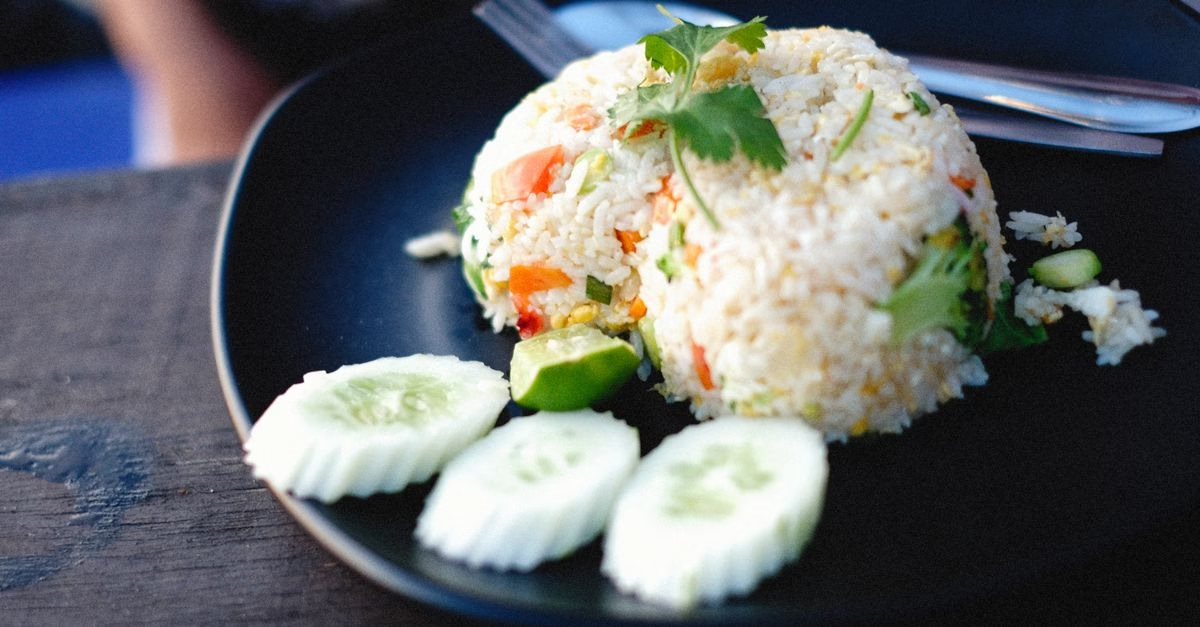
If you’ve ever found yourself scratching your head and feeling quite uncomfortable after a meal of fluffy, delicious rice, you might be asking, “Why am I bloated after eating rice?” You’re definitely not alone! Many people experience bloating, a feeling of fullness or swelling in the abdomen, and it can be especially puzzling if rice is a staple in your diet. Understanding why this happens is vital—not just for comfort, but also for your overall digestive health. In this article, we will explore some of the possible reasons behind this pesky issue.
Bloating can occur for various reasons, and it’s not always linked to the food itself. It may be the way our bodies react to certain foods or how we eat. As we dig deeper, we’ll learn about rice and its effects on digestion, why it might lead to bloating for some, and what you can do to ease the discomfort. So, if you’ve clicked on this article hoping to find some answers, let’s get started!
What is Why am I bloated after eating rice?
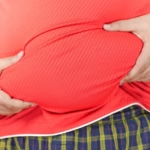
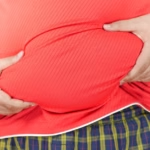
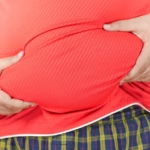
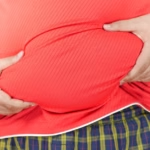
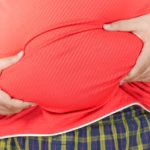
When we talk about being bloated after eating rice, we’re referring to an uncomfortable sensation in the abdomen that might feel like swelling, pressure, or fullness. The term “bloat” describes those extra gases or fluid that make your stomach feel larger than usual. While rice is known as a gentle and easily digestible food, some people’s bodies can struggle with it, leading to this unsettling feeling.
Understanding bloating involves knowing a bit about our digestive system. The gut breaks down the food we eat and absorbs nutrients. However, sometimes gas can build up, either from the foods themselves or from how our bodies react to them. It’s important to remember that bloating is common and not usually a sign of something serious, but persistent issues might benefit from a chat with a healthcare professional.
Why Does Why am I bloated after eating rice? Happen?
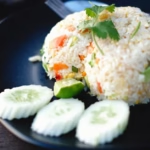
So, why does bloating occur after eating rice? One possible reason is how rice is processed in the gut. Rice, especially white rice, is a simple carbohydrate. In some people, simple carbs can be easily fermented in the stomach, leading to gas and discomfort. Another common factor is portion size—eating too much at once can stretch the stomach and lead to that bloated feeling.
In some people, it could also relate to the cooking methods used or the types of rice consumed. Brown rice, for instance, has more fiber than white rice, which is great for digestion, but for those unaccustomed to high-fiber diets, it might lead to bloating. Research suggests that factors like food intolerances and gut health may also play a role, so the experience can vary from person to person.
Common Causes
Food Intolerances
Food intolerances occur when the body has difficulty digesting certain foods. For some, consuming rice could lead to issues, especially if someone has a sensitivity to certain types of carbohydrates found in rice. This can lead to gas and bloating. If you suspect a food intolerance, tracking what you eat and your symptoms in a food journal can help. Consulting with a healthcare professional may also provide guidance.
Portion Sizes
Eating large portions of rice can stretch your stomach and lead to discomfort. Most of us eat larger quantities of food when our favorite dish is on the table! Learning to gauge portion sizes can help prevent this bloated feeling. Try starting with a smaller serving and see how your body reacts before going back for seconds.
Cooking Methods
How rice is prepared can also play a role. Adding rich sauces or fats can make rice heavier on the stomach, which might lead to bloating. Consider lighter toppings or cooking methods, such as steaming or boiling, for a gentler option on your digestive system.
Gut Health
A healthy gut is key to good digestion. If your gut microbiome—basically, the community of microbes living in your digestive system—is out of balance, it may not break down foods as effectively, leading to increased gas. Including probiotic-rich foods in your diet can help cultivate a healthier gut, but it’s a journey rather than a quick fix. If gut health is a concern, seeking advice from a healthcare professional can provide tailored insights.
Signs and Symptoms to Watch For
Common symptoms of bloating can include:
- A feeling of fullness or pressure in the abdominal area.
- Visible swelling of the abdomen.
- Flatulence or increased gas.
However, if you ever experience more serious symptoms like severe abdominal pain, blood in your stool, or unexplained weight loss, it’s essential to seek medical advice. These could signal more serious conditions that need to be addressed.
What Can Make it Worse?
Several lifestyle and dietary choices can contribute to or worsen the sensation of bloating:
- Diet: Consuming heavily processed or fried foods can exacerbate bloating.
- Eating Habits: Eating too quickly can introduce air into the stomach, causing bloating.
- Hydration: Not drinking enough water can slow digestion, leading to constipation and bloating.
- Stress: High stress levels may disrupt digestion, potentially leading to bloating.
Foods and Drinks Related to Why am I bloated after eating rice?
While rice may not be the sole culprit, some foods can contribute to bloating. For example, carbonated drinks or foods high in salt can lead to water retention and bloating. Additionally, some high-fiber foods might be beneficial for gut health, but if you’re not used to them, they can also lead to gas; it all comes down to moderation and your body’s individual reactions.
What Can We Do About Why am I bloated after eating rice?
If you want to alleviate bloating after eating rice, consider these practical steps:
- Mind your portions: Start small and increase your serving of rice gradually, allowing your body to adjust.
- Stay hydrated: Drinking water can aid digestion, helping to prevent constipation and gas.
- Chew thoroughly: Slow down and chew your food well to aid your stomach in breaking it down, which can reduce the amount of air swallowed.
- Be mindful of side dishes: Light sauces or seasonings that don’t weigh down your rice may help reduce the bloated feeling.
When Should We See a Doctor About Why am I bloated after eating rice?
Consider talking to a healthcare professional if you notice:
- Severe or persistent pain that doesn’t go away.
- Blood in your stool, which could signify bleeding in the digestive tract.
- Unexplained weight loss that is not linked to changes in your diet or exercise.
- Symptoms that suddenly worsen or persist despite making lifestyle changes.
Frequently Asked Questions About Why am I bloated after eating rice?
Why am I always bloated after eating rice?
This may relate to how your body digests rice, portion sizes, or even food intolerances. Keeping a food diary might help identify the culprit.
Can food cause Why am I bloated after eating rice?
Yes, food and how your body reacts to it can definitely cause bloating. Rice might not be the only offender—other accompanying foods may also contribute.
When should I worry about Why am I bloated after eating rice?
If bloating is persistent, accompanied by severe pain, or involves other concerning symptoms like blood in the stool, it’s time to see a doctor.
What types of rice are better for digestion?
Brown rice may contain more fiber but can also lead to bloating if you are not used to high-fiber foods. If you’re sensitive, start with plain white rice, which is easier to digest.
Does drinking water help alleviate bloating from rice?
Yes, staying hydrated keeps your digestive system moving smoothly, which can help prevent constipation and bloating.
Can I eat rice if I have a sensitive stomach?
Many people with sensitive stomachs can eat rice without issue. It’s best to monitor how you feel after consumption and consult a healthcare professional if needed.
Does stress contribute to bloating after eating rice?
Absolutely! Stress can affect your digestive system, sometimes leading to increased bloating. Finding ways to relax may help.
Should I avoid rice to prevent bloating?
Not necessarily—you don’t have to eliminate rice from your diet. Focus on moderation, portion sizes, and monitoring how your body responds.
What the Research Says About Why am I bloated after eating rice?
Research into digestive health and bloating has highlighted several factors influencing how our bodies respond to foods like rice. Studies suggest that carbohydrates can be fermented in the gut, leading to gas production, which contributes to bloating in some individuals (Source: NIDDK). Additionally, the role of gut microbiomes in digestion is increasingly recognized, indicating that a balanced diet and gut health are crucial for reducing bloating (Source: CDC). While research provides insights into general trends, individual experiences can vary widely, and personal evaluation is key.
Simple Daily Habits That May Support Better Health
To help reduce bloating and support overall digestive health, consider the following habits:
- Eat at a slower pace: This can help you digest better and avoid swallowing air.
- Maintain regular meal times: Consistency can help regulate your digestive system.
- Include probiotic foods: Foods like yogurt or fermented vegetables can support gut health.
- Exercise regularly: Light physical activity after eating can help with digestion.
Final Thoughts
We often enjoy rice as a comforting and versatile food, but it can lead to discomfort for some people. Understanding why am I bloated after eating rice involves recognizing how our bodies react to different foods and habits. By paying attention to portion sizes, eating mindfully, and being aware of any food intolerances, we can help mitigate this uncomfortable feeling.
Our bodies are unique, and if you notice prolonged or escalating symptoms, it’s essential to reach out to a healthcare professional for guidance. Taking care of our digestive health is a journey, and each small step counts toward feeling our best!
Sources and References
National Institutes of Health: Digestive Health. 2022. https://www.nih.gov
NIDDK: Bloating. Accessed October 2023. https://www.niddk.nih.gov/health-information/digestive-diseases/bloating
CDC: The Role of Gut Health in Bloating. 2022. https://www.cdc.gov
Medical Disclaimer
This article is for general educational and informational purposes only. It is not intended to provide medical advice, diagnosis, or treatment. Health conditions can affect people differently, and information that is appropriate for one person may not be appropriate for another. If you have persistent, severe, or concerning symptoms, speak with a qualified healthcare professional for personalized advice.
Further Reading
Ivf Shot Schedule: 10 Things You Should Know
Omeprazole and Alcohol: Is It Safe to Mix?
what does a growth spurt in pregnancy feel like
Photo by Alexey Demidov on Pexels.