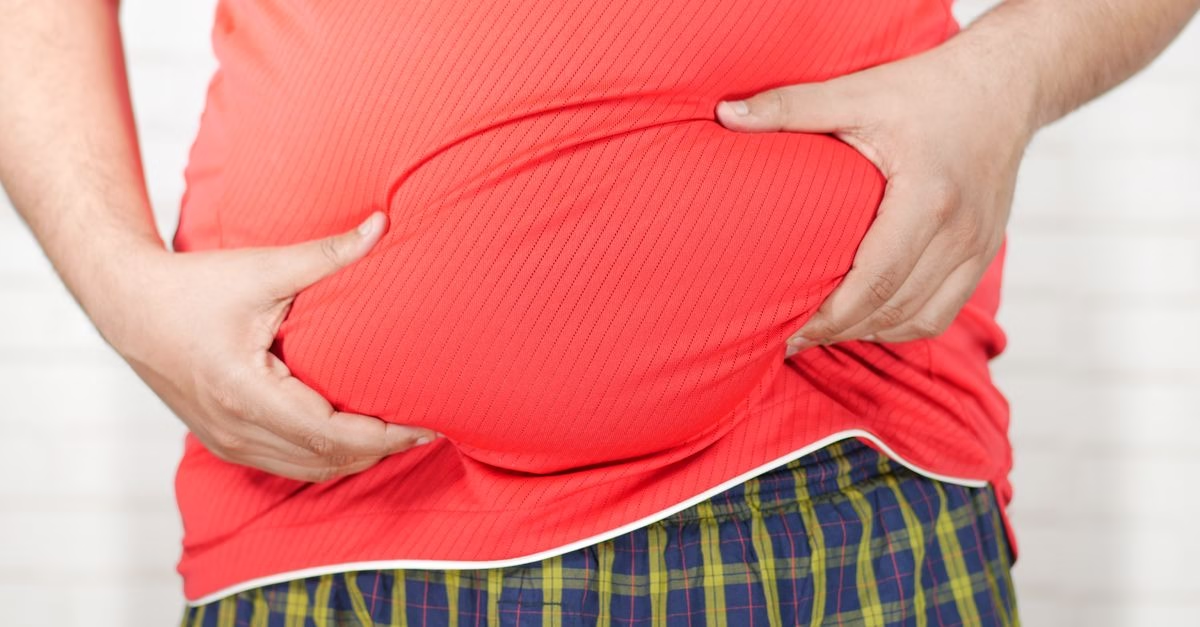
If you’re experiencing uncomfortable sensations in your stomach and questioning, “Why am I bloated and constipated?”, you’re not alone. Many people face this frustrating situation at some point in their lives. Bloating is when your belly feels swollen and tight, often due to gas buildup or a slow-moving digestive system. Constipation, on the other hand, is when you have infrequent or difficult bowel movements. Both conditions can be unsettling and may leave you searching for answers and relief.
Understanding the reasons why you might feel bloated and constipated can help you take the right steps toward feeling better. While these symptoms can happen occasionally due to diet or stress, ongoing discomfort might signal something needing attention. In this article, we will explore the common causes, signs, and practical tips to address the question, “Why am I bloated and constipated?” So, grab a cozy seat, and let’s dive in!
What Does This Mean?
When we talk about being bloated and constipated, we’re focusing on digestive health. Bloating refers to the sensation of fullness or swelling in the abdomen, often accompanied by gas. Constipation means your body is having trouble passing stools; you might not go to the bathroom as often as you’d like, or your stools may feel hard and painful to pass. Both of these experiences can affect how you feel day to day, making it essential to identify what might be causing them.
Both terms may sound medical, but they simply describe the unpleasant feelings in your tummy. Recognizing these sensations is the first step in finding a way to feel more comfortable and support your digestive process effectively.
Why Does This Happen?
There isn’t just one reason you might feel bloated and constipated; several factors can contribute. One possible reason is that the food you eat plays a significant role. Certain foods, like those high in fiber, may initially cause bloating as your digestive system adjusts. If you’ve recently changed your eating habits, your gut may need some time to catch up.
Another common factor is hydration—if you’re not drinking enough fluids, it can become harder for your body to pass stool. Additionally, changes in your routine, such as lack of physical activity or increased stress, can also impact your gut health and lead to these uncomfortable symptoms.
Research suggests that hormonal fluctuations, particularly in women, may also contribute to bloating and constipation. Conditions such as irritable bowel syndrome (IBS) or food intolerances can further complicate the situation.
Common Causes
Let’s break down some major causes that could be leading to your bloating and constipation:
Dietary Choices
What we eat directly affects our digestion. Foods that are high in *FODMAPs*, for example, can lead to gas and bloating in some individuals. These are types of carbohydrates that can be hard for some people to digest.
If you notice bloating after eating dairy, gluten, or beans, you may want to explore food intolerances. Keeping a food diary might help you pinpoint what’s causing trouble.
Lack of Fiber
If your diet lacks sufficient fiber from fruits, vegetables, and whole grains, this could be a key player in your constipation. Fiber helps your stool stay soft and pass smoothly through your intestines.
Increasing fiber intake gradually can be beneficial, but do it slowly. A sudden spike in fiber can lead to more bloating, which is the last thing you want while trying to ease constipation.
Dehydration
Water is your friend when it comes to digestion! Not drinking enough fluids can lead to hard stools and make constipation worse. Make it a goal to drink plenty of water throughout the day—your body will thank you!
Inactivity
Physical activity encourages movement in the digestive tract. If you’ve been less active than usual, it could slow down your bowel function. A little gentle exercise, like walking or stretching, can make a meaningful difference.
Stress and Mental Health
Believe it or not, stress can significantly affect digestion. The gut and brain are closely connected. When you’re stressed, your body may respond by slowing down digestion, leading to constipation and bloating. Finding stress management techniques that work for you—like deep breathing or mindfulness—can benefit your gut health.
Signs and Symptoms to Watch For
It’s important to know the signs that indicate when bloating and constipation may not just be something to brush off. Common symptoms might include:
- A feeling of fullness or pressure in the abdomen
- Infrequent bowel movements (less than three times per week)
- Pain or discomfort while passing stools
- Changes in appetite—either a loss of appetite or the urge to eat more
If you experience any of the following concerning symptoms, it’s best to consult a healthcare professional:
- Severe or persistent abdominal pain
- Blood in the stool
- Unexplained weight loss
- Persistent vomiting or nausea
- Sudden changes in bowel habits lasting more than two weeks
What Can Make It Worse?
Life factors can greatly affect your gut health, amplifying bloating and constipation. Here are some lifestyle aspects to keep in mind:
Diet
High-fat and fried foods can slow digestion and lead to constipation. Processed foods low in fiber may also contribute to gut issues. Pay attention to how different foods affect your body.
Eating Habits
Rushing through meals can lead to swallowing air, increasing bloating. Try to eat slowly and chew thoroughly.
Lifestyle Factors
Not getting enough sleep can worsen digestive problems. Aim for a consistent sleep schedule for optimal health.
Medications
Some medications, such as certain painkillers and antidepressants, can affect bowel function. If you’ve started a new medication and notice these symptoms, speak with your healthcare provider.
Foods and Drinks Related to the Topic
Some foods can help alleviate symptoms, while others may exacerbate them. Here are some insights:
Foods That May Help
Focus on fiber-rich foods like:
- Fruits such as apples and pears
- Vegetables like carrots and broccoli
- Whole grains such as oats and brown rice
Including these can help support proper digestion. And don’t forget to hydrate!
Foods That May Worsen Symptoms
Common culprits include:
- Beans and lentils (for some people)
- Cruciferous vegetables like cabbage and cauliflower
- Processed foods that are low in fiber
When managing bloating and constipation, listen to your body and notice how different foods make you feel.
What Can We Do?
Here are a few practical steps you can take to help ease bloating and constipation:
Stay Hydrated
Drink plenty of water throughout the day to stay hydrated and support your digestive system.
Incorporate Fiber Gradually
Add fiber-rich foods into your diet slowly. Consider starting with fruits, vegetables, and whole grains. Your gut will appreciate the gentle introduction!
Exercise Regularly
Even short walks can stimulate digestion and manage constipation. Aim for about 30 minutes of physical activity most days.
Manage Stress
Try mindfulness techniques or gentle yoga to reduce stress levels. This can positively affect your gut health.
Establish a Routine
Pay attention to your bowel habits. Try to set a regular schedule for bathroom visits, as this can help train your body.
When Should You See a Doctor?
If you’re experiencing ongoing or worsening symptoms, it’s time to seek professional advice. For example, if your bloating and constipation become more frequent or painful, or if you notice any red flags, don’t hesitate. Be proactive about your health!
Frequently Asked Questions
Why am I always bloated and constipated?
Persistent symptoms can be linked to diet, hydration, stress, or underlying conditions like IBS. It’s best to monitor your symptoms and consult a healthcare provider if they persist.
Can food cause bloating and constipation?
Yes, foods that are high in certain carbohydrates, fiber, and grease can contribute to these issues. Identifying your specific triggers can be helpful.
When should I worry about bloating and constipation?
Seek medical attention if you experience severe pain, blood in stool, or symptoms lasting more than two weeks without improvement.
Could stress be causing my symptoms?
Absolutely! Stress influences digestion and can slow down bowel movements, leading to bloating and constipation.
Are there any home remedies for bloating?
Some people find relief with herbal teas, such as peppermint or chamomile. Gentle exercise can also help alleviate discomfort.
Why does my stomach hurt when I am bloated?
Pain during bloating can be due to gas build-up or other digestive issues. If it becomes severe, it’s wise to consult with a healthcare professional.
Is it normal to feel bloated every day?
Feeling bloated occasionally is common; however, if it’s a daily occurrence, consider dietary or lifestyle changes and consult a healthcare provider if needed.
Can probiotics help with bloating and constipation?
Research suggests that probiotics may support gut health, improving some digestive symptoms for certain individuals.
What the Research Says About Why Am I Bloated and Constipated?
Research has shown links between diet, lifestyle, and gut health. For example, studies published in journals such as the *American Journal of Gastroenterology* emphasize the benefit of dietary fiber in preventing constipation. Additionally, systematic reviews highlight how hydration and physical activity significantly influence digestive outcomes. However, individual responses may vary; what works for one person may not work for another.
Simple Daily Habits That May Support Better Health
- Start your day with a glass of water.
- Incorporate small amounts of physical activity into your daily routine.
- Practice mindfulness or stress-reducing techniques, like deep breathing.
- Snack on fruits and vegetables rich in fiber.
- Listen to your body, responding to hunger and fullness cues.
Final Thoughts
Experience discomfort from bloating and constipation can be frustrating, but you are not alone. By understanding the possible causes and recognizing the signs, you can take steps to support your digestive health. Regular hydration, a balanced diet with fiber, managing stress, and being active can all play critical roles in easing these symptoms.
We often find that small changes lead to significant improvements. If persistent symptoms arise, don’t hesitate to talk with a healthcare professional. Remember, caring for our digestive health is a journey, and every step counts!
Sources and References
Mayo Clinic: Constipation. https://www.mayoclinic.org/diseases-conditions/constipation/symptoms-causes/syc-20324306
NIH: Irritable Bowel Syndrome. https://www.ncbi.nlm.nih.gov/books/NBK459107/
Cleveland Clinic: Bloating. https://my.clevelandclinic.org/health/diseases/21202-bloating
NIDDK: Definition & Facts for Constipation. https://www.niddk.nih.gov/health-information/digestive-diseases/constipation
Medical Disclaimer
This article is for general educational and informational purposes only. It is not intended to provide medical advice, diagnosis, or treatment. Health conditions can affect people differently, and information that is appropriate for one person may not be appropriate for another. If you have persistent, severe, or concerning symptoms, speak with a qualified healthcare professional for personalized advice.
Further Reading
Ivf Shot Schedule: 10 Things You Should Know
Omeprazole and Alcohol: Is It Safe to Mix?
what does a growth spurt in pregnancy feel like
Photo by Towfiqu barbhuiya on Pexels.