How to Make Yourself Poop Naturally
If you’re looking for ways on how to make yourself poop naturally, you’re not alone. Many people experience occasional constipation or irregular bowel movements, which can lead to discomfort and frustration. Understanding how to address this concern can make a significant difference in your overall well-being and daily comfort levels. The great news is there are several natural strategies and lifestyle changes that can help encourage regular bowel movements.
When we talk about making ourselves poop naturally, we’re referring to methods that encourage your body to move waste through the digestive tract without the need for medications or harsh treatments. If you’ve been feeling bloated, uncomfortable, or just out of sync with your digestive rhythm, exploring these natural options might be exactly what you need to get things moving safely and effectively.
What Does This Mean?
To put it simply, knowing how to make yourself poop naturally involves understanding the interplay between diet, hydration, activity, and overall healthy habits. Bowel movements are an essential part of how our bodies eliminate waste, and they can be influenced by many factors. When constipation occurs, it typically means that your stool is too dry or hard, making it difficult to pass. Regular bowel movements can vary from person to person, with many experts considering three times a week to three times a day as a normal range.
When you’re feeling the urge to relieve yourself, it can sometimes be influenced by what you’ve eaten, how much water you’ve consumed, and your activity level. Let’s delve into some practical steps and tips to address this common concern in a way that’s friendly and manageable for everyone.
Why Does This Happen?
Understanding why we may experience difficulty when it comes to bowel movements can be helpful in addressing the issue. One possible reason for constipation could be a lack of dietary fiber. Fiber is essential for adding bulk to your stool, making it easier to pass. Another common factor is insufficient hydration. When your body lacks water, it can lead to harder stool that’s uncomfortable to eliminate. Additionally, lifestyle habits, including a sedentary lifestyle, can contribute to sluggish bowel movements.
Some people may find that stress or changes in their routine—like travel or dietary shifts—can also impact their digestive health. Research suggests that psychological stress can affect gut activity, making it more challenging to have regular bowel movements. In some individuals, underlying health conditions or certain medications can further complicate this issue. It’s always a good idea to consider these factors when trying to figure out what might be slowing things down.
Common Causes
Several factors could lead to difficulty with bowel movements. Here are some common causes:
Lack of Fiber
Fiber helps to bulk up your stool, making it easier to pass. If your diet is low in fiber—think processed foods or not enough fruits and vegetables—constipation can become an issue. Aim for a daily intake of around 25-30 grams of fiber from sources such as whole grains, fruits, and leafy greens.
Dehydration
If you aren’t drinking enough fluids, your body may absorb too much water from the stool, leading to harder, drier stool that’s tough to eliminate. Aim for at least 8 cups of water daily, adjusting for your activity level and climate.
Lack of Physical Activity
A sedentary lifestyle can slow down your digestive system. Regular exercise encourages the movement of food through the digestive tract. Even simple activities like walking can help.
Stress
Believe it or not, stress can influence your digestion. Some people find that under stress, their digestive system slows down, making it harder to go to the bathroom. Finding healthy ways to manage stress may support better bowel health.
Signs and Symptoms to Watch For
When it comes to recognizing when you might have a problem with your bowel movements, there are some signs to be aware of:
- Infrequent bowel movements: Going less than three times a week may indicate constipation.
- Difficulty passing stool: If you find yourself straining or feeling discomfort, it’s a sign to pay attention to.
- Stool consistency: Hard or lumpy stools are common indicators of constipation.
- Bloating: Feeling bloated can often accompany irregular bowel movements.
While occasional discomfort is normal, persistent or severe symptoms warrant a conversation with a healthcare professional, especially if they disrupt your daily life.
What Can Make It Worse?
There are several lifestyle factors that can exacerbate constipation:
- Poor diet: A diet low in fiber does little to help your digestive system.
- Not drinking enough fluids: Insufficient hydration contributes to hard stool.
- Sedentary lifestyle: Lack of physical activity can slow down your body’s digestive processes.
- Overuse of laxatives: Relying on laxatives too often can lead to dependency, which could worsen the issue.
Foods and Drinks Related to the Topic
Foods play a crucial role in supporting regular bowel movements:
Helpful Foods:
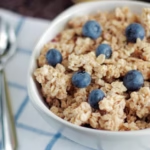
- Fruits: Berries, pears, and apples are high in fiber and water content, making them great for digestive health.
- Vegetables: Leafy greens, broccoli, and carrots can help you meet your daily fiber needs.
- Whole grains: Foods like oatmeal, quinoa, and whole-grain bread can boost your fiber intake.
- Legumes: Beans, lentils, and chickpeas add significant fiber to your meals.
Things to Limit or Avoid:
- Processed Foods: Foods that are low in fiber, like snack cakes and many fast food items, can contribute to constipation.
- Dairy: Some people find that too much dairy can lead to difficulty with bowel movements.
Remember, everyone’s body is different, so it might take a little trial and error to see what works best for you!
What Can We Do?
Here are some simple, practical steps to encourage regular bowel movements:
- Increase fiber intake: Aim for a balanced diet rich in fruits, vegetables, and whole grains.
- Stay hydrated: Drink plenty of water throughout the day to help keep stool soft.
- Exercise regularly: Incorporate movement into your routine, aiming for at least 30 minutes of activity most days.
- Establish a routine: Try to set aside regular times for bathroom visits, even if you don’t feel an immediate urge.
- Manage stress: Engage in stress-relieving activities such as yoga, meditation, or deep breathing.
These steps can support your digestive health and encourage your body to function more effectively.
When Should You See a Doctor?
While occasional constipation is common, there are certain signs that indicate it might be time to consult a healthcare professional:
- Severe or persistent abdominal pain.
- Blood in your stool or rectal bleeding.
- Unexplained weight loss.
- Severe or persistent vomiting.
- Symptoms that suddenly worsen or do not improve with lifestyle changes.
Consulting a healthcare professional can help rule out any underlying conditions and provide personalized guidance on managing your symptoms.
Frequently Asked Questions
Why am I always constipated?
Persistent constipation can be caused by various factors, including a low-fiber diet, dehydration, lack of exercise, and even stress. It’s essential to evaluate your lifestyle habits and consult a healthcare professional if it’s a recurring issue.
Can food cause constipation?
Yes, certain foods can lead to constipation, particularly those low in fiber, like processed foods and excessive dairy products. Including more fiber-rich foods in your diet can help.
When should I worry about constipation?
If you experience severe pain, blood in your stool, or sudden changes in your bowel habits, these could be signs to seek medical advice.
What drinks can help with constipation?
Water is your best friend for maintaining hydration. Additionally, herbal teas and fruit juices—especially those containing prune juice—may help promote regular bowel movements.
Is it normal to poop every day?
Yes, for many people, having a bowel movement daily is considered normal. However, it varies from person to person, and what’s regular for you might not be the same for someone else.
Does exercise really help with digestion?
Absolutely! Regular exercise stimulates the muscles in the digestive tract, making it easier for food to move through and enhancing overall digestive health.
Can stress impact my bowel movements?
Yes, stress can affect how your digestive system works. Finding healthy ways to manage your stress can benefit your bowel health.
What are natural remedies for constipation?
Some natural remedies include increasing your fiber intake, exercising regularly, staying well-hydrated, and possibly using natural supplements, like psyllium husk. Always consult a healthcare professional before starting any new supplement.
What the Research Says About How to Make Yourself Poop Naturally
Research supports the idea that dietary fiber, hydration, and physical activity are crucial for maintaining regular bowel health. A systematic review published by the National Institutes of Health (NIH) emphasizes the role of a high-fiber diet in preventing and treating constipation, suggesting that both soluble and insoluble fiber are beneficial for gut function. Furthermore, studies have shown that regular physical activity aids gut motility, making it easier to pass stool effectively.
Simple Daily Habits That May Support Better Health
Making small, everyday changes can significantly affect your digestion. Consider these habits:
- Set a hydration reminder: Try to drink at least 8 cups of water a day by setting reminders or carrying a water bottle.
- Incorporate short walks: Even short walks can help stimulate digestion; consider walking after meals.
- Keep healthy snacks handy: Load up on fruits, nuts, and other fiber-rich snacks instead of processed options.
Building these habits into your daily routine can lead to better digestive health over time!
Final Thoughts
We often overlook the importance of regular bowel movements, but our digestive health plays a significant role in our overall well-being. By now, you have a variety of natural strategies to help understand how to make yourself poop naturally. Remember that dietary changes, staying hydrated, regular physical activity, and managing stress can all support your gut health.
If you encounter persistent or severe symptoms related to your bowel movements, it’s essential to reach out to a healthcare professional. Taking charge of your digestive health can significantly impact your quality of life, making you feel more comfortable in your body.
Sources and References
National Institute of Diabetes and Digestive and Kidney Diseases (NIDDK): “Constipation.” Last updated June 2021. Retrieved from niddk.nih.gov
Mayo Clinic: “Constipation.” Last updated May 2022. Retrieved from mayoclinic.org
Cleveland Clinic: “Constipation.” Last revised April 2023. Retrieved from clevelandclinic.org
Harvard T.H. Chan School of Public Health: “Fiber.” Last modified September 2023. Retrieved from hsph.harvard.edu
Johns Hopkins Medicine: “Understanding Constipation.” Retrieved from hopkinsmedicine.org
Medical Disclaimer
This article is for general educational and informational purposes only. It is not intended to provide medical advice, diagnosis, or treatment. Health conditions can affect people differently, and information that is appropriate for one person may not be appropriate for another. If you have persistent, severe, or concerning symptoms, speak with a qualified healthcare professional for personalized advice.
Further Reading
Ivf Shot Schedule: 10 Things You Should Know
Omeprazole and Alcohol: Is It Safe to Mix?