Key Takeaways
- Fiber is essential for digestion but should be increased gradually to avoid causing constipation.
- Adequate hydration is necessary for fiber to move through your digestive system effectively.
- Individual sensitivity to certain fiber-rich foods can lead to bloating or discomfort.
- Persistent constipation should always be evaluated by a healthcare professional for underlying causes.
Can Too Much Fiber Cause Constipation?
If you’ve ever wondered, “Can too much fiber cause constipation?” you’re not alone! Many people are trying to figure out how much fiber they should be eating, especially since it’s often praised for keeping our digestive system in tip-top shape. Fiber is essential for healthy digestion, but like many things in life, too much of a good thing can actually lead to complications. You might be searching for answers because you’ve increased your fiber intake and suddenly find yourself feeling a bit more backed up than usual.
Understanding the balance of fiber in your diet is crucial. If you’re eating a lot of fiber-rich foods like whole grains, fruits, and vegetables, they usually support regular bowel movements. However, if you’re consuming excessive amounts of fiber without adequate hydration or have certain sensitivities, it might just flip the script and contribute to constipation. Let’s untangle this issue, so you can feel comfortable and confident in your dietary choices.
What Does This Mean?
When we talk about fiber, we’re referring to the part of plant-based foods that your body can’t fully digest. There are two main types of fiber: soluble and insoluble. Soluble fiber dissolves in water and can help lower cholesterol and control blood sugar levels. It’s found in foods like oats, nuts, apples, and beans. Insoluble fiber doesn’t dissolve in water and is often thought of as “bulking” fiber because it helps stool pass through your digestive tract. It can be found in whole grains, wheat bran, and vegetables.
Now, let’s explore the potential downside: If someone suddenly increases their fiber intake without enough water or if they consume large amounts beyond their tolerance, it can result in bloating, gas, and even constipation. Constipation, in simple terms, is when you have trouble passing stool or infrequent bowel movements. This can be uncomfortable and frustrating, so understanding the relationship between fiber and constipation is vital for anyone aiming for a balanced diet.
Why Does This Happen?
One possible reason that too much fiber can lead to constipation is that fiber works best when paired with water. If you increase fiber intake but don’t drink enough fluids, that fiber can become difficult to pass through the intestines. Another common factor is that individual responses to fiber can vary widely. Some people are more sensitive to higher amounts of fiber, which can cause their digestive systems to react negatively, even causing constipation.
Research suggests that it’s all about balance. The general recommendation is to gradually increase fiber intake, allowing your gut to adapt to the changes. For most adults, the daily intake should be around 25 to 30 grams, but this can depend on individual requirements and health status.
Common Causes
Here are some common factors that might contribute to constipation related to fiber intake:
- Inadequate Hydration: Without enough water, the body can’t properly process fiber, which can lead to hard stools and constipation. Aim to drink plenty of fluids throughout the day if you’re adding fiber-rich foods to your diet.
- Sudden Increases in Fiber: If you add fiber to your diet too quickly, your digestive system might struggle to keep up. Gradually increasing fiber allows your gut to adjust and function efficiently.
- Food Sensitivities: Some individuals may be sensitive to certain fibrous foods, which can cause bloating or constipation even if they’re within the recommended ranges of fiber intake. Pay attention to how you feel after different foods.
- Lack of Physical Activity: Regular exercise helps stimulate digestion. If you’ve recently taken a more sedentary approach, that might also contribute to feelings of constipation.
Signs and Symptoms to Watch For
So, how do you know if too much fiber is causing constipation? Here are some signs to look out for:
- Difficulty Passing Stools: If you often struggle to pass stools or have fewer than three bowel movements a week, that’s a sign of constipation.
- Bloating or Abdominal Pain: Increased discomfort in your belly, along with a feeling of fullness, can indicate an overload of fiber.
- Hard or Lumpy Stools: Stools that are harder or lumpy can be a direct result of too much fiber without proper hydration.
If you notice any of these symptoms consistently, don’t hesitate to consult a healthcare professional for further guidance.
What Can Make It Worse?
Aside from fiber, several lifestyle factors may exacerbate constipation:
- Diet: Diets low in fruits and vegetables can lead to constipation, especially if you suddenly increase fiber intake without a balanced approach.
- Hydration: Not drinking enough fluids can make it difficult for high-fiber foods to do their job.
- Stress: Stress affects digestion, and high levels of it could lead to issues like constipation despite a high-fiber diet.
- Lack of Exercise: Physical inactivity can slow down your digestion, making it easier for constipation to settle in.
Foods and Drinks Related to the Topic
When it comes to preventing constipation and maintaining a healthy digestive system, here are some foods and drinks to consider:
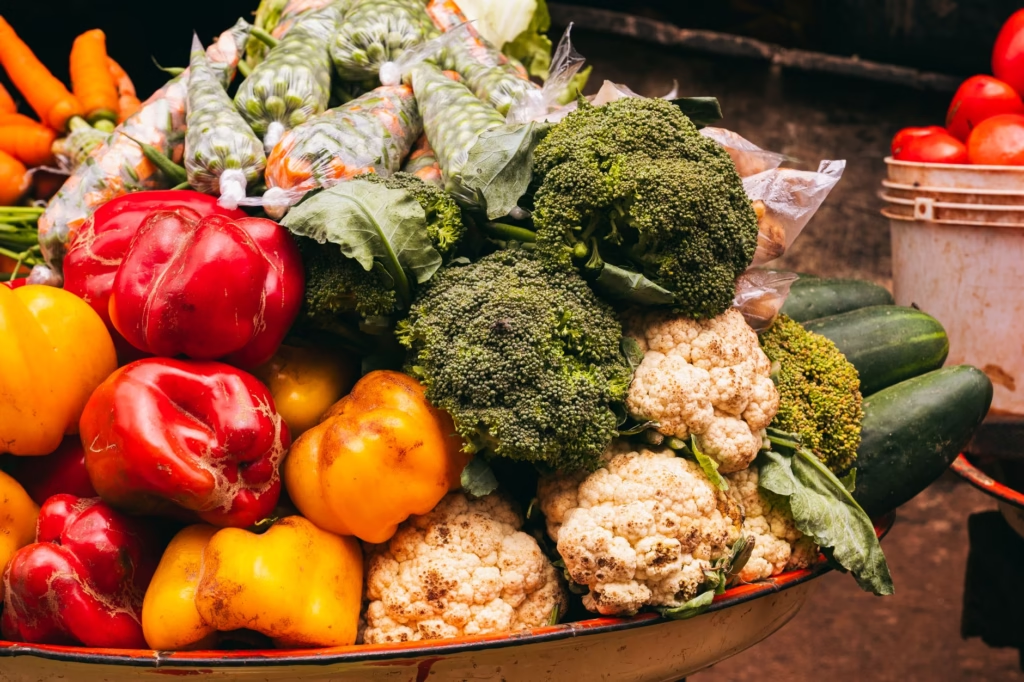
- Fruits and Vegetables: These are excellent sources of both soluble and insoluble fiber. Berries, prunes, apples, and leafy greens can be beneficial.
- Whole Grains: Foods such as oats, barley, and whole wheat products provide needed fiber along with hydration when accompanied by water.
- Legumes: Beans and lentils are high in fiber but should be introduced gradually to avoid discomfort.
- Probiotics: Foods like yogurt and kefir can support gut health and help prevent constipation.
Everyone’s bodies are different, so paying attention to how individual foods affect your digestion can help you find the right balance.
What Can We Do?
So what can you do to maintain a healthy level of fiber while avoiding constipation? Here are some practical tips:
- Gradually Increase Fiber: If you want to boost your fiber intake, do so slowly. Aim to increase your fiber by 5 grams every few days until you reach your target.
- Stay Hydrated: Drink plenty of water! The general recommendation is about 8 cups (64 ounces) a day, but you might need more if your activity level is high.
- Mix It Up: Include a variety of fiber sources in your diet, such as fruits, vegetables, nuts, seeds, and whole grains, to provide a diverse range of nutrients and fibers.
- Practice Mindful Eating: Take your time to eat, chewing your food well can help your digestion.
- Get Moving: Regular physical activity, like walking, can help keep things moving in your digestive tract.
When Should You See a Doctor
If you experience persistent constipation or additional concerning symptoms, it may be time to consult a healthcare professional. Here are some red flags to look out for:
- Severe or ongoing abdominal pain
- Bleeding from the rectum or blood in your stool
- Unexplained weight loss
- Persistent vomiting
- Severe weakness or fatigue
- Symptoms that suddenly worsen or do not improve with lifestyle changes
Always prioritize your health and discuss alarming symptoms with a healthcare expert.
Frequently Asked Questions
Why am I always constipated even with a high-fiber diet?
Constipation despite a high-fiber diet may be due to insufficient fluid intake, a sudden dietary change, or food sensitivities. It’s important to balance fiber with water and variety for optimal digestion.
Can food cause constipation?
Yes, certain foods can contribute to constipation, especially processed foods that are low in fiber, dairy for some individuals, and high-fat meats. Balancing your meals with fiber-rich fruits and vegetables can help.
When should I worry about constipation?
If constipation lasts longer than a week, or if you experience severe pain, blood in your stool, or other alarming symptoms, seek medical advice for guidance.
How much fiber is too much?
While the daily recommended fiber intake is around 25 to 30 grams for most adults, everyone’s body is different. Listen to how your body reacts and gradually increase if you want to consume more.
Are there any supplements for constipation?
Some fiber supplements can help, but they should be taken with adequate fluids and preferably under the guidance of a healthcare professional.
Do I need to eat fiber at every meal?
While including fiber at each meal can support digestion, it’s more important to focus on the overall daily fiber intake rather than stressing over each individual meal.
Can I get enough fiber from supplements?
Supplements can help, but whole foods provide additional nutrients and benefits that fiber supplements do not, so it’s best to prioritize getting fiber from food.
Will fiber help with weight loss?
Fiber can support weight loss by promoting a feeling of fullness and reducing overall calorie intake, but it should be part of a balanced diet and lifestyle.
What the Research Says About Can Too Much Fiber Cause Constipation?
Recent studies indicate that while fiber is essential for digestive health, excessive intake, particularly if not accompanied by proper hydration, can cause digestive discomfort, including constipation. Well-structured reviews and clinical studies have found that fiber intake should be individualized, reflecting both overall health and dietary habits. For instance, the National Institute of Diabetes and Digestive and Kidney Diseases (NIDDK) advises that while fiber can help prevent constipation, the body may react differently based on hydration levels, dietary balance, and personal sensitivity.
Many researchers emphasize the need for a gradual increase in dietary fiber, especially for individuals who have rarely included it in their diets. The Centers for Disease Control and Prevention (CDC) supports this understanding, highlighting the importance of hydration to assist in fiber’s action within the digestive system. This nuanced understanding of fiber intake is crucial for ensuring that it remains a positive force for health rather than a source of digestive distress.
Simple Daily Habits That May Support Better Health
To keep your digestive system happy and your health thriving, consider these daily habits:
- Drink Water First Thing: Start your day with a glass of water to kick your hydration into gear.
- Eat More Whole Foods: Gradually incorporate fruits, veggies, and whole grains into your meals.
- Stay Active: Make a habit of daily physical activity; even a short walk counts!
- Take Time to Enjoy Meals: Slow down. Eating mindfully can improve digestion and enjoyment.
Final Thoughts
In conclusion, it’s clear that the answer to “Can too much fiber cause constipation?” isn’t straightforward. While fiber is a vital part of a healthy diet, moderation is key, and hydration is just as important. We often find that small adjustments can lead to big improvements. If we notice any persisting symptoms or discomfort, it’s best to consult with a healthcare professional to ensure our digestive health remains intact.
Remember, everyone’s body is unique, and understanding how your digestive system reacts is a part of maintaining good health. So, let’s keep it balanced and stay tuned in to what our bodies are telling us!

Sources and References
National Institute of Diabetes and Digestive and Kidney Diseases: “Dietary Fiber and Digestive Health.” Updated March 2022. niddk.nih.gov
Cleveland Clinic: “Fiber and Constipation.” Published July 13, 2021. clevelandclinic.org
Mayo Clinic: “Fiber: How Much Do You Need?” Updated October 2022. mayoclinic.org
Centers for Disease Control and Prevention: “Healthy Eating.” Updated March 2023. cdc.gov

Medical Disclaimer
This article is for general educational and informational purposes only. It is not intended to provide medical advice, diagnosis, or treatment. Health conditions can affect people differently, and information that is appropriate for one person may not be appropriate for another. If you have persistent, severe, or concerning symptoms, speak with a qualified healthcare professional for personalized advice.
Further Reading
Ivf Shot Schedule: 10 Things You Should Know
Omeprazole and Alcohol: Is It Safe to Mix?
what does a growth spurt in pregnancy feel like
Photo by Towfiqu barbhuiya on Pexels.
Frequently Asked Questions
Does drinking coffee help fiber-related constipation?
Coffee can stimulate bowel movements for some people, but it is not a substitute for proper fiber and water balance. It may also act as a diuretic, so ensure you are drinking enough plain water alongside it.
Should I stop eating fiber if I am constipated?
It is usually better to reduce your intake slightly rather than stopping entirely. Continue to drink plenty of fluids and maintain movement while your system stabilizes.
How long does it take for my gut to adjust to more fiber?
Most people notice their digestive system adapting within a few weeks of consistent, gradual increases. Patience is key when slowly building up your intake.
Is there a specific time of day to eat fiber?
There is no scientific requirement to eat fiber at specific times. Spreading your intake across your daily meals is often easier on the gut than consuming a large amount at once.
The Bottom Line
Fiber is a cornerstone of a healthy digestive system, but balance is essential for success. By increasing your intake slowly and prioritizing daily hydration, you can enjoy the benefits of fiber without the discomfort of constipation. Listen to your body and make adjustments as needed to keep your digestion running smoothly.