Does fiber help you poop? If you’ve found yourself asking this question, you’re not alone! Many people in the United States struggle with their digestive health and often look for simple solutions. Fiber, a crucial component of our diet, plays a significant role in digestion. When it comes to keeping everything moving smoothly in our intestines, getting enough fiber can be a game changer. Whether it’s due to occasional constipation or a more ongoing concern, understanding how fiber affects bowel movements is important for many.
The good news is that fiber is easy to incorporate into your diet, and it may help improve your bathroom habits. But why exactly does fiber have this effect? In the simplest terms, fiber helps bulk up your stool and makes it easier to pass. There’s more to the story, though, including the types of fiber and how much you need. In this article, we’ll dive into everything you need to know about fiber and its role in digestion. So, grab a snack, and let’s explore the world of fiber and your digestive health!
What Does This Mean?
At its core, asking “Does fiber help you poop?” refers to the connection between dietary fiber and bowel movements. Dietary fiber is found in plant-based foods, and it’s typically classified into two types: soluble and insoluble fiber. Soluble fiber dissolves in water, forming a gel-like substance in the gut, which can help soften stool. Insoluble fiber, on the other hand, adds bulk to the stool and helps push it through the digestive track.
Many people might experience issues with bowel movements, whether it’s struggling to go or dealing with constipation. Fiber plays a key role here, as it helps regulate the digestive system. Foods rich in fiber, like fruits, vegetables, whole grains, and legumes, are vital for supporting healthy digestion.
Why Does This Happen?
One possible reason fiber can make a difference is its ability to affect the texture and movement of stool. Fiber absorbs water, which helps to keep stool soft and makes it easier to pass. Another common factor relates to the fermentation of soluble fiber by the gut bacteria, which can produce beneficial short-chain fatty acids that promote gut health.
Research suggests that most Americans don’t get enough fiber in their diets. The recommended daily intake for adults is about 25 grams for women and 38 grams for men, but many people fall short. In some people, low fiber intake can lead to digestive issues, including constipation. However, increasing fiber intake gradually is key since a sudden change can lead to bloating or gas.
Common Causes
There are several factors that can influence bowel movements, and fiber is just one piece. Here are a few common causes related to the role of fiber:
1. Low Fiber Intake: If your diet lacks fruits, vegetables, whole grains, and legumes, you may not be getting enough fiber to support regular bowel movements. Keeping these foods in your meals can help improve digestion.
2. Dehydration: Not drinking enough water can make it harder for fiber to work effectively. Water helps to soften stool, allowing it to pass smoothly. Aim to drink enough fluids when increasing your fiber intake.
3. Sedentary Lifestyle: Physical activity encourages bowel motility. A lack of exercise may contribute to constipation. Combine a fiber-rich diet with regular physical activity for the best effect.
4. Stress: High stress levels can affect digestion, including bowel movements. Practicing relaxation techniques might help support digestive health.
Signs and Symptoms to Watch For
Common symptoms related to fiber and bowel health include:
- Occasional constipation, which may feel like straining or hard stools.
- Feeling bloated or gassy, especially after increasing fiber intake.
- Changes in bowel frequency, either increased or decreased.
While occasional digestive discomfort is common, certain symptoms should prompt a conversation with a healthcare professional. These include:
- Severe or persistent abdominal pain.
- Blood in your stool.
- Unexplained weight loss.
- Symptoms that last despite lifestyle changes.
What Can Make It Worse?
Several factors can worsen digestive health, especially when it comes to fiber intake:
- Poor Diet: Diets high in processed foods and low in fruits and vegetables can lead to inadequate fiber intake.
- Inadequate Hydration: A lack of water intake can hinder fiber’s effectiveness.
- Inactivity: Sedentary behavior can slow down digestion.
- Stress: Stress can disrupt normal digestive processes and lead to irregular bowel movements.
Foods and Drinks Related to the Topic
Including a variety of fiber-rich foods in your diet can help support digestive health:
- Fruits: Apples, bananas, oranges, and berries are great sources of fiber.
- Vegetables: Broccoli, carrots, and leafy greens are not only fiber-rich but also packed with nutrients.
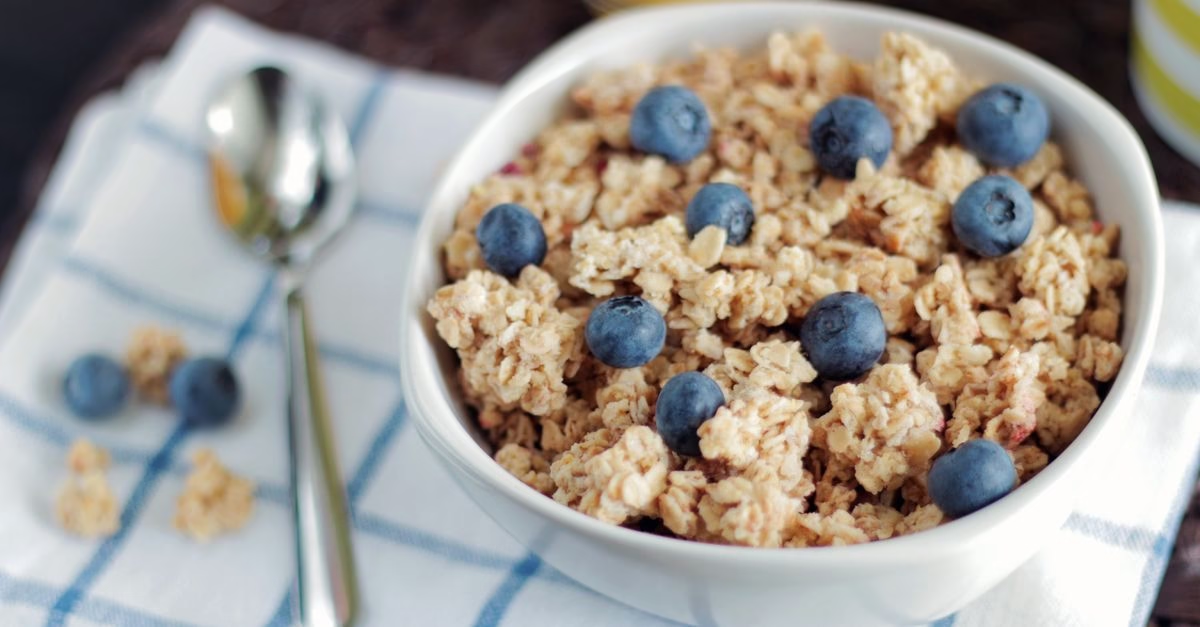
- Whole Grains: Foods like oats, whole wheat bread, and brown rice contain high amounts of fiber.
- Legumes: Beans, lentils, and chickpeas are excellent sources of both fiber and protein.
Remember, everyone’s digestive system is different. While some people may respond well to a high-fiber diet, others may need to monitor their intake closely based on digestive symptoms.
What Can We Do?
If you want to incorporate more fiber into your diet, consider trying these simple strategies:
- Start Slow: Gradually increase your fiber intake. This can help reduce potential bloating and discomfort.
- Drink Water: Aim for good hydration by drinking plenty of water throughout your day, especially when consuming fiber-rich foods.
- Choose Whole Foods: Focus on whole foods over processed foods to maximize your fiber intake.
- Stay Active: Regular physical activity can promote better digestion and help maintain regular bowel movements.
When Should You See a Doctor?
When should you consult a healthcare professional about your bathroom habits? Here are some considerations:
- Experiencing severe or persistent pain in the abdomen.
- Noticing blood in your stool or black, tarry stool.
- Significant unexplained weight loss.
- Changes in bowel habits that last for more than a couple of weeks.
If you’re feeling uncertain or concerned about your digestive health, it’s best to reach out to a healthcare provider for personalized advice.
Frequently Asked Questions
Why am I always constipated?
Constipation can arise from various factors, including low fiber intake, dehydration, or lack of physical activity. If you’re having consistent issues, consider speaking to a healthcare professional.
Can my diet cause constipation?
Yes, a diet low in fiber and high in processed foods may contribute to constipation.
How can I increase my fiber intake?
Incorporate more fruits, vegetables, whole grains, and legumes into your meals gradually to boost your fiber intake.
Is it safe to take fiber supplements?
Fiber supplements can be safe, but it’s best to consult with a healthcare professional to determine if they’re appropriate for your needs.
Can fiber help with irritable bowel syndrome (IBS)?
Fiber can be helpful for some people with IBS, but it’s important to identify the right type and amount, as individual responses can vary.
How much fiber do I need daily?
The recommended daily intake is about 25 grams for women and 38 grams for men, but individual needs can vary.
Can I eat too much fiber?
Yes, consuming excessive fiber suddenly can lead to bloating, gas, or cramping. It’s best to increase your intake gradually.
What types of fiber are best for digestion?
A mix of soluble and insoluble fibers is beneficial; include foods rich in both for optimal digestive health.
What the Research Says About Does Fiber Help You Poop?
Several studies support the idea that fiber is beneficial for bowel health. A systematic review in the American Journal of Gastroenterology highlighted that increased fiber intake can significantly reduce constipation symptoms in adults. A meta-analysis published in BMJ found that high fiber intake is linked to lower risks of developing digestive issues.
However, while research shows fiber is generally beneficial, it’s crucial to recognize that individual responses can vary. Some people may need to adjust their fiber intake slowly to prevent digestive discomfort, and others may find they need professional advice to best manage their symptoms.
Simple Daily Habits That May Support Better Health
Incorporating good habits into your daily life can help support better digestive health:
- Practice Mindful Eating: Take your time while eating and chew your food well to aid digestion.
- Establish a Routine: Try setting consistent times for meals to train your body’s digestive rhythm.
- Keep Stress in Check: Engage in activities you enjoy or relaxation techniques like meditation to manage stress.
Final Thoughts
Fiber is an essential part of maintaining regular bowel movements and supporting digestive health. We often don’t realize how important nutrition is in relation to our digestive system. Incorporating fiber can help make a significant difference in how our bodies function. As we’ve explored, it’s not just about how much fiber we eat, but also how we balance it with hydration, activity, and stress management.
If we notice changes in our digestive health, remember that gradual adjustments to our diet can help, and seeking personalized advice from a healthcare professional can provide further guidance. Taking care of our digestive health is an important part of overall wellness, and small steps can make a big difference!
Sources and References
National Institutes of Health: Dietary Fiber. Retrieved from https://ods.od.nih.gov/factsheets/Fiber-HealthProfessional/
Mayo Clinic: Dietary fiber: Essential for a healthy diet. Updated on Feb 2023. Retrieved from https://www.mayoclinic.org/healthy-lifestyle/nutrition-and-healthy-eating/in-depth/fiber/art-20043933
Cleveland Clinic: High-Fiber Foods List. Retrieved from https://health.clevelandclinic.org/21-high-fiber-foods-what-to-eat-and-what-to-avoid/
American Gastroenterological Association: Dietary Fiber and Gastrointestinal Transit. Retrieved from https://www.gastro.org/guidelines/dietary-fiber
Harvard T.H. Chan School of Public Health: The Nutrition Source: Fiber. Retrieved from https://www.hsph.harvard.edu/nutritionsource/fiber/
Medical Disclaimer
This article is for general educational and informational purposes only. It is not intended to provide medical advice, diagnosis, or treatment. Health conditions can affect people differently, and information that is appropriate for one person may not be appropriate for another. If you have persistent, severe, or concerning symptoms, speak with a qualified healthcare professional for personalized advice.
Further Reading
Ivf Shot Schedule: 10 Things You Should Know
Omeprazole and Alcohol: Is It Safe to Mix?