This memory makes you stronger if the same germ returns. The body builds tools called antibodies. They stick to germs so other cells can clear them away. You get them after illness or a shot called a vaccine. Vaccines help the body learn without making you sick. Many things shape how well your system works. Good sleep, food, and exercise can help. Stress and some illnesses can slow it down.
Knowing how it works can help you stay well. In this article, we look at parts of blood and organs that train your cells. We show how your system protects you day and night. We share simple steps to keep it strong. We use clear words. We give facts you can trust. We tell when to see a doctor promptly.
Key Takeaways
| Takeaway | Explanation |
|---|---|
| Barrier defense | Skin and mucus block many germs in the immune system. |
| Memory response | The immune system remembers past germs for faster defense. |
| Vaccines | Shots help the body learn to fight specific germs. |
What is the immune system?
According to the World Health Organization, the body uses two main ways to fight germs. The first way is on guard all the time. It is called innate immunity. It works fast. It is made of barriers you can see and cells you do not see. Barriers like skin, lining of the mouth, nose, and gut keep many germs out. Blood cells that roam the body and tissue eat or kill invaders. The second way is more specific. It is called adaptive immunity. It learns to spot a germ. It makes special tools, such as antibodies. It can build memory. If the same germ comes back, it acts fast and strong.
How the immune system works
The process has steps. Step one is sensing. The body must see the germ. Cells that patrol seek out harm. Step two is calling for help. These cells send signals. They bring more cells to the scene. Step three is attack. Some cells swallow germs. Others make proteins that block or kill them. Step four is clean up. The body gets rid of dead cells and germs. Step five is memory. The body keeps a copy of the germ’s features. If the germ returns, the body protects faster next time.
Immune system organs
Several parts work together. Bone marrow makes new cells. The thymus is where some cells grow up. Lymph nodes are small beans in many places. They filter fluid and trap germs. Spleen filters blood. It clears old cells and germs. Mucosal tissues line the gut and lungs. They watch for germs that enter the body. All these parts share news. They help the body mount a response.
Innate immunity
This side is first to act. It has many parts.
- Skin and mucous. They form a wall that germs find hard to cross.
- Cells like neutrophils and macrophages. They eat and kill germs.
- Proteins that float in the blood. They tag germs or kill them directly.
- Inflammation. It brings more cells and fluid to a site of harm.
- Fever. It raises body heat to slow some germs.
These parts act within minutes to hours. They stop many germs on sight.
Adaptive immunity
This side takes more time. It aims at a specific germ. It has two main types.
- B cells. They make proteins called antibodies. Antibodies bind to germs. They block or mark them for kill.
- T cells. They help kill germs or tell other cells what to do.
This side can remember. It can protect you for years or a life time. Vaccines use this power to teach the body to fight a germ without causing serious illness. Learn more at the National Institute of Allergy and Infectious Diseases.
Phases of the immune response
The body fights in stages. Each stage has a job.
- Detection. Patrol cells see a germ.
- Signal. Cells call for backup.
- Attack. Cells and proteins kill germs.
- Resolution. The body clears dead cells and repairs tissue.
- Memory. The body logs a record for future defense.
Each stage must work well. If not, the body may not clear the germ or it may harm healthy tissue.
Role of inflammation and fever
Inflammation is a key part of the first response. Blood vessels open wide. This brings more fluid and cells to a harm site. You may see redness, swelling, and feel heat. Fever is a rise in body heat. It can slow some germs. These actions hurt germs but can cause fever and soreness. Seek help if a fever is high or lasts more than three days, or if swelling or redness worsen or you feel very weak.
Vaccines and the immune memory
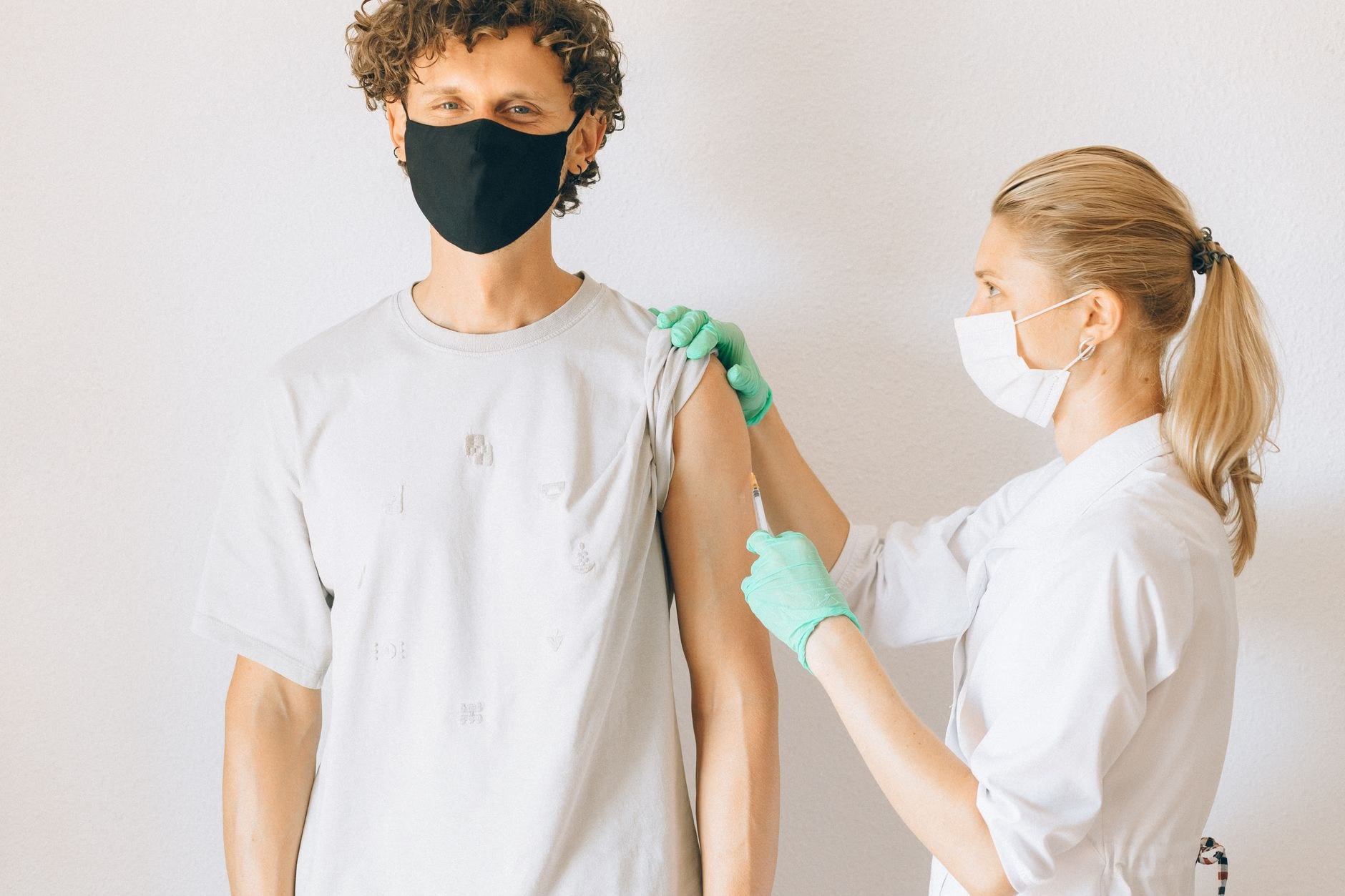
Vaccines train the body to recognize a germ. They give you a safe dose of a dead or weak germ part. This makes a memory. If the real germ shows up, the body acts quick and strong. Shots are part of routine care. They cut the risk of many diseases. Stay up to date on vaccines for flu, tetanus, and any shots your doctor advises.
Factors affecting immune health
Many things shape defense health.
Good sleep helps the immune system rest and repair.
Foods rich in vitamins and minerals feed cells. Vitamins like vitamin C and D help the immune system work at its best.
Exercise moves cells and can boost the immune system.
Stress that lasts for weeks can harm your defense. Chronic stress may weaken the immune system and raise infection risk.
Smoking and excess alcohol can slow the body’s defense. Limit these to protect your health.
Certain illnesses and medicines can change how you fight germs. Tell your doctor if you have a chronic illness or you take drugs that may affect your defense.
Nutrition for a strong defense
Eat a mix of vegetables, fruits, grains, proteins, and fats. Each part brings nutrients. You need minerals such as zinc. You need vitamins such as A, C, and D. You need protein so cells can grow. Talk to a dietitian if you have special needs. Do not use supplements in place of a full diet. Too much of some vitamins can harm health. If you are on IVF, see our nutrition guide during IVF.
Hygiene and lifestyle habits
Wash hands well and often. Use soap and warm water. Wash for at least 20 seconds. Clean hands help stop the spread of germs.
- Avoid touching your face with unwashed hands.
- Cook foods to their safe temperature.
- Cover coughs and sneezes with a tissue or your elbow.
- Stay home when sick to stop spread.
When to seek medical care
Most colds clear on their own. You may rest, drink fluids, and take OTC pain relievers. But seek care if you have:
- High fever with confusion or trouble breathing.
- Sore throat that stops you from eating or drinking.
- Signs of dehydration such as small dark urine or very dry mouth.
- Chest pain or a fast heart beat.
- Fever that lasts more than three days or gets worse.
Tell your doctor if you have a condition that hampers defense, such as diabetes, HIV, or you take medicines that lower defense.
Common immune conditions
Some people have a defense that is too weak. They get many infections. This is called immunodeficiency. It can be from genes or from treatment such as chemo. Other people have a defense that is too strong. They may have autoimmune disease. This is when the body attacks its own parts. Conditions include type 1 diabetes and rheumatoid arthritis. Both need care by a specialist.
Immunotherapy and future care
New treatments use the body’s defense to fight cancer and diseases. Some therapies add special cells or proteins. Some of these are still in trials. They can help in hard cases. Talk to experts if you think one may help you. Such care may have side effects and needs close follow up. See Johns Hopkins Medicine for details.
Preventing infections and boosting defense
Key habits help you stay well.
- Get shots on time.
- Eat well and sleep enough.
- Do regular moderate exercise.
- Manage stress with calm tasks like reading or light walks.
- Avoid smoke and limit alcohol.
- Keep your gut healthy with fiber and fluids.
These actions work for most healthy people. If you have special needs, talk to your doctor or nurse. A weak immune system may not fight infections well.
Conclusion
Understanding how your body fights germs can help you make smart choices. A strong immune system is your body’s guard. You can help by sleeping well, eating a mix of healthy foods, moving your body, and keeping up with vaccines. Watch for warning signs that need care. If you have a chronic illness or you take medicines that lower defense, tell your team about any new symptoms. Use the tips here to keep your defense ready.