
Key Takeaways
- The flu typically causes systemic body aches and high fever.
- Sinus infections are often localized to the face and nasal passages.
- Viral infections usually resolve, while bacterial sinus issues may need care.
- Consult a healthcare professional if symptoms persist or worsen.
Understanding the Difference
When you wake up feeling under the weather, it is common to wonder exactly what is causing your discomfort. Understanding the nuances of sinus infection vs flu symptoms is essential for managing your recovery effectively and knowing when to seek professional medical help. While both conditions involve the respiratory system and can leave you feeling exhausted, they often manifest in distinct ways that can help you distinguish between the two.
The flu, or influenza, is a viral infection that affects your entire body, leading to systemic symptoms that often come on very suddenly. In contrast, a sinus infection, also known as sinusitis, is generally characterized by inflammation or swelling of the tissue lining your sinuses. This often leads to localized pressure and pain in specific areas of the face rather than the generalized misery associated with a severe case of influenza.
Because both illnesses can cause congestion and a runny nose, it is easy to see why people often confuse them. However, identifying the primary symptoms can guide your next steps. This guide provides a detailed look at how these conditions differ, when to be concerned, and how to support your body during the healing process.
The Nature of Influenza
Influenza is a contagious respiratory illness caused by influenza viruses that infect the nose, throat, and sometimes the lungs. Unlike a common cold or a mild sinus issue, the flu often strikes with significant intensity. You might feel perfectly fine in the morning and be bedridden by the afternoon. This rapid onset is a classic hallmark of the flu.
When you have the flu, your body is fighting a systemic infection. This means your immune system is working hard across your entire body, which leads to feelings of weakness and fatigue. Many people describe feeling as though they have been hit by a truck. The exhaustion can be debilitating, making it difficult to perform even the simplest daily activities like walking to the kitchen or sitting up to read.
Common symptoms associated with the flu include:
- High fever, often reaching 100 degrees Fahrenheit or higher.
- Severe muscle and body aches that can affect your back, legs, and arms.
- Persistent, dry cough that may worsen over time.
- Chills and sweating as your body tries to regulate its temperature.
- Headaches that feel intense and throbbing.

Recognizing Sinus Infection Symptoms
A sinus infection occurs when fluid builds up in the air-filled pockets in your face, known as sinuses. This fluid buildup allows germs to grow. Most sinus infections start as a result of a cold, but they can also be triggered by allergies or structural issues in the nasal passages. Unlike the flu, the symptoms of sinusitis are usually concentrated in the head and face.
The primary symptom that sets sinusitis apart is the feeling of pressure or tenderness behind your eyes, nose, cheeks, or forehead. This pain often intensifies when you lean forward or lie down. You may also experience a sensation of fullness in your ears or a decrease in your sense of smell, which can be quite frustrating during daily life.
Other common symptoms of a sinus infection include:
- Thick, discolored nasal discharge, which can be yellow or green.
- Post-nasal drip, where mucus drips down the back of your throat.
- Congestion that makes it difficult to breathe through your nose.
- A dull, aching pain in your upper teeth or jaw.
- Bad breath caused by the buildup of mucus and bacteria.
Comparing Key Symptoms
To help clarify the differences between sinus infection vs flu symptoms, it is helpful to look at how they compare side by side. While there is some overlap, such as congestion and fatigue, the intensity and location of these symptoms are usually the deciding factors.
| Symptom | Flu | Sinus Infection |
|---|---|---|
| Onset | Sudden and rapid | Gradual, often after a cold |
| Fever | Common and often high | Rare or mild |
| Body Aches | Severe and widespread | Rare |
| Face Pain | Rare | Common and localized |
| Fatigue | Extreme and lingering | Mild to moderate |
As shown in the table, the presence of systemic symptoms like body aches and high fever strongly points toward the flu. If your main complaint is pressure in your cheeks or forehead combined with thick nasal discharge, a sinus infection is a more likely culprit. Remember that this table is for general reference and should not replace a professional diagnosis.
The Role of Fever and Body Aches
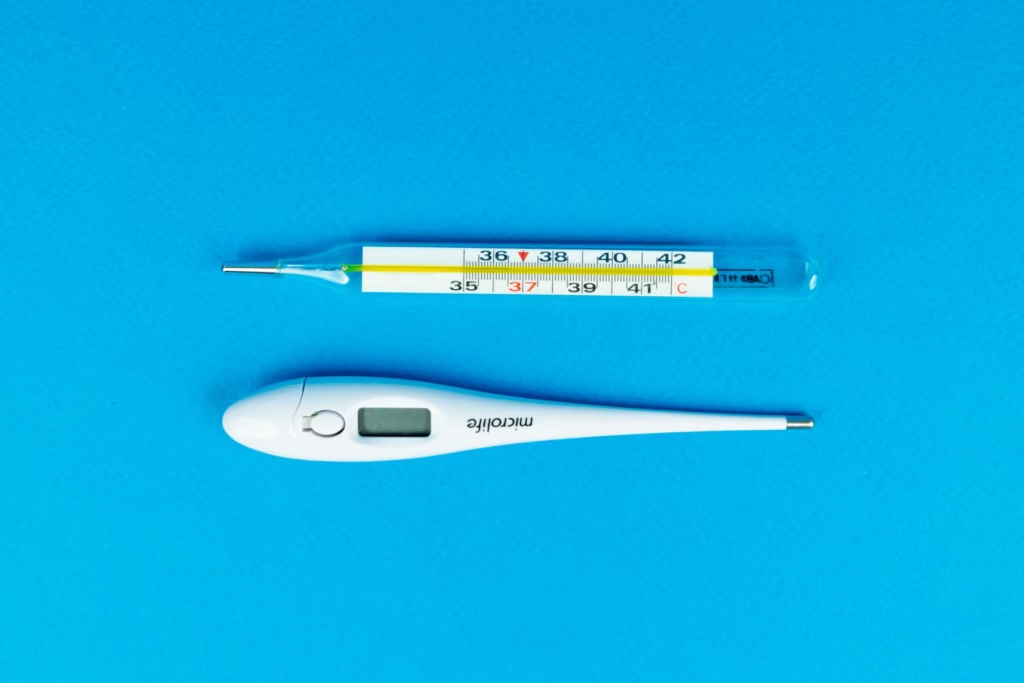
Fever is one of the most reliable indicators of a systemic infection like the flu. When your body detects a virus, it raises its internal temperature to create an environment that is less hospitable for the pathogen. This is why a high fever is so common during the first few days of influenza. It is a sign that your immune system is mounting a significant defense.
Body aches are similarly linked to the body’s inflammatory response to a virus. Your immune system releases chemicals to fight off the infection, and these chemicals can cause your muscles and joints to feel sore and tender. This systemic ache is rarely present with a simple sinus infection, which is typically confined to the facial region.
If you find that your fever does not subside after a few days, or if it spikes significantly, it is important to contact your doctor. While most people recover from the flu with rest and fluids, some individuals are at higher risk for complications such as pneumonia. Monitoring your temperature can provide valuable data for your healthcare provider.
Duration and Recovery Times
The timeline of your illness can also provide clues about what you are dealing with. The flu typically has a predictable course. Most people feel the worst in the first three to four days, with symptoms gradually improving over the course of one to two weeks. However, the feeling of fatigue can sometimes persist for several weeks even after other symptoms have resolved.
Sinus infections are a bit more variable. Acute sinus infections often last for about ten days, but if they are caused by bacteria, they may persist for longer or require medical intervention. If your symptoms last for more than ten days without any sign of improvement, or if you experience a double sickening effect where you start to feel better and then suddenly get worse again, you should see a doctor.
Recovery from both conditions requires patience and care. Pushing yourself to return to work or exercise too soon can prolong your recovery time. Listen to your body and prioritize rest, hydration, and gentle care until you feel fully back to your normal self.

When to See a Doctor
It is not always easy to manage an illness at home. There are certain red flags that indicate you need to see a healthcare professional for a formal evaluation. If you belong to a high-risk group, such as the elderly, young children, or individuals with underlying health conditions, you should contact your doctor as soon as you notice symptoms of the flu.
For sinus infections, you should consult a doctor if your symptoms are severe, lasting longer than ten days, or if you experience recurrent sinus infections. A doctor can perform a physical examination, check your throat and ears, and determine if you have a bacterial infection that requires prescription treatment. Never assume that you need antibiotics, as they are ineffective against viruses.
Always seek medical attention if you experience:
- Difficulty breathing or shortness of breath.
- Chest pain or pressure.
- Confusion or dizziness.
- A fever that keeps coming back or gets worse.
- Severe facial pain or swelling around the eyes.
Frequently Asked Questions
Can I have a sinus infection and the flu at the same time?
Yes, it is possible to experience both. Since the flu often causes congestion, it can lead to blocked sinuses, which may then develop into a secondary sinus infection. This combination can make you feel significantly worse and may require a longer recovery period.
Are over-the-counter medications enough for treatment?
For many people, over-the-counter medications can help manage symptoms like fever, pain, and congestion. However, these medicines only treat the symptoms and do not cure the underlying infection. Always read labels carefully and consult a pharmacist if you have questions about which products are safe for you.
How can I tell if my sinus infection is bacterial?
It is difficult to distinguish between viral and bacterial sinus infections based on symptoms alone. Generally, if symptoms persist for more than ten days or worsen after an initial period of improvement, a doctor might suspect a bacterial infection and consider treatment options.
Does hydration really help with respiratory infections?
Hydration is vital because it helps thin the mucus in your sinuses and lungs, making it easier for your body to clear out. Drinking plenty of water, herbal tea, or clear broths helps keep your mucous membranes moist and supports your immune system during the healing process.
The Bottom Line
Distinguishing between sinus infection vs flu symptoms is a valuable skill that helps you make informed decisions about your health. By paying attention to whether your symptoms are systemic, like body aches and fever, or localized, like facial pressure and congestion, you can better understand what your body is experiencing. While most respiratory illnesses resolve with time, rest, and hydration, you should never hesitate to reach out to a healthcare professional if you are worried about your symptoms or if your condition does not improve as expected. Taking proactive care of yourself is the best way to ensure a swift and complete recovery.