Key Takeaways
- Fungal balls are dense collections of fungal spores in the sinus cavity.
- Common symptoms include facial pressure, congestion, and colored discharge.
- Diagnosis typically requires imaging like a CT scan.
- Treatment usually involves surgery to remove the fungal debris.
Understanding Fungal Ball in Sinus Symptoms
When you experience persistent sinus issues, you might find yourself searching for answers online. A specific condition that often causes concern is a fungal ball, which is a dense accumulation of fungal hyphae, or fungal threads, within one of your sinus cavities. Understanding the Fungal ball in sinus symptoms is the first step toward getting the relief you need.
A fungal ball is generally considered a non-invasive condition, meaning the fungus is not actively invading the surrounding tissues of your sinus walls. However, because it acts like a physical blockage, it can lead to chronic discomfort that mimics other types of sinusitis. It is important to distinguish between simple allergies and this specific fungal growth.
While the prospect of a fungal growth in your sinus might sound alarming, please know that it is a treatable condition. This guide will walk you through what to look for, why these balls form, and how medical professionals typically approach the diagnosis and management of the condition.
Common Clinical Signs
The symptoms of a fungal ball are often localized, meaning they usually affect only one side of the face. This unilateral presentation is a significant clue for doctors. Unlike a common cold or seasonal allergies, which typically affect both sides of your nasal passages, a fungal ball tends to stay put in one sinus cavity, most commonly the maxillary sinus located in your cheek area.
Patients often report a feeling of persistent pressure or heaviness behind the cheekbone or eye. This pressure may feel worse when you bend forward or lie down. You might also notice a lingering, unpleasant smell in your nose, which is sometimes described as a musty or earthy odor. This is often the result of the fungal debris trapped inside the cavity.
Other common indicators include:
- Chronic nasal congestion that does not respond well to standard over-the-counter decongestants.
- Thick, colored nasal discharge that may appear yellow, green, or even dark brown.
- Occasional facial pain that feels like a dull ache.
- A sensation of fullness in the ear on the affected side.

Why Fungal Balls Develop
Fungal balls develop when fungal spores, which are naturally present in the air we breathe, become trapped in a sinus cavity that has poor drainage. Once trapped, these spores begin to grow and multiply, eventually forming a dense, clay-like mass. The body’s immune system often struggles to clear this mass because it is too solid to be flushed out by normal mucus production.
Several factors can contribute to the development of these masses. A history of dental procedures, particularly involving the upper teeth, is a known risk factor. Because the roots of the upper teeth are very close to the floor of the maxillary sinus, dental work can sometimes introduce foreign materials or create conditions that favor fungal growth.
Anatomical variations also play a significant role. If your sinus drainage pathways are naturally narrow or obstructed, you are more likely to have poor ventilation in that area. This stagnant environment is the perfect breeding ground for fungi to settle and thrive over time, even in individuals who are otherwise healthy and have strong immune systems.
Diagnostic Procedures
Diagnosing a fungal ball requires more than just a physical examination. While a doctor can look inside your nose with a small camera, known as a nasal endoscopy, to see signs of inflammation or discharge, they cannot see the fungal ball itself if it is tucked deep inside the sinus cavity. This is why imaging is essential.
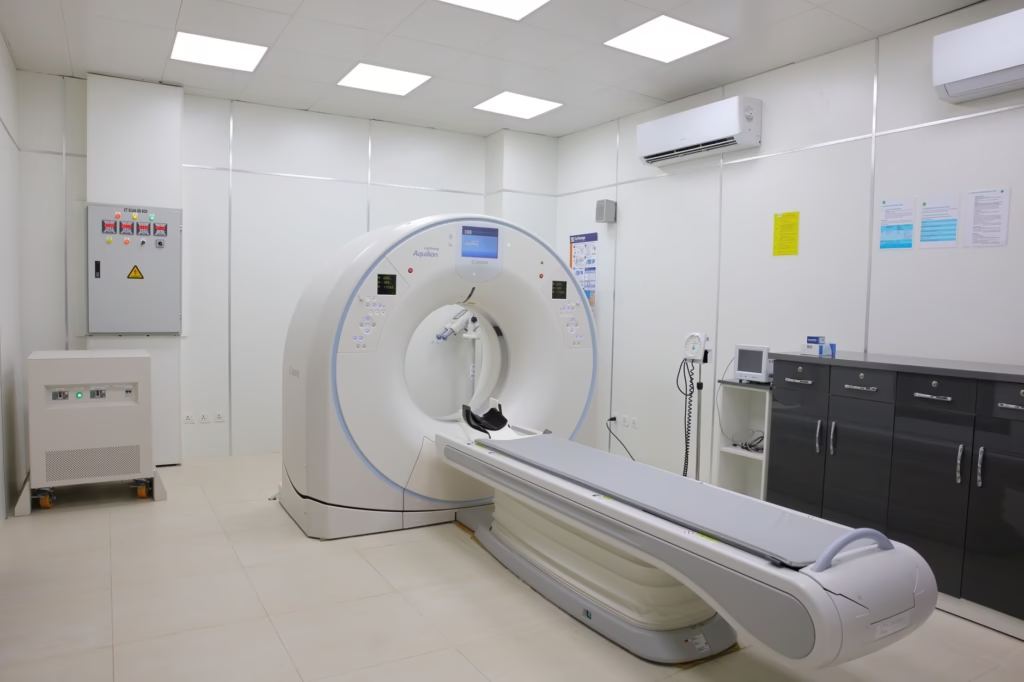
A computed tomography (CT) scan is the gold standard for diagnosing a fungal ball. On the scan, the fungal mass often appears as a dense, cloudy area within the sinus, and it may even show tiny, bright spots that represent calcifications. These calcifications are a classic sign of a long-standing fungal ball.
The following table outlines the key differences between common sinus conditions and a fungal ball:
| Condition | Typical Presentation | Duration |
|---|---|---|
| Common Cold | Bilateral (both sides) | Short-term |
| Allergic Rhinitis | Itchy, runny nose | Seasonal or chronic |
| Fungal Ball | Unilateral (one side) | Often persistent |
| Bacterial Sinusitis | Fever, severe pain | Acute or recurrent |
Treatment Approaches
Because a fungal ball is a physical mass, medications such as antibiotics or antifungal pills are generally ineffective. Antibiotics treat bacteria, not fungi, and antifungal pills often cannot reach the center of the dense, solid mass in high enough concentrations to destroy it. Therefore, the primary treatment is mechanical removal.
Most specialists perform a procedure called functional endoscopic sinus surgery. During this surgery, the doctor uses tiny instruments inserted through the nostril to open the sinus cavity and gently remove the fungal mass. This is a highly effective procedure, and most patients experience significant relief from their symptoms almost immediately after the surgery.
After the mass is removed, the surgeon will ensure that the sinus opening is enlarged to allow for better drainage in the future. This prevents the recurrence of the condition by ensuring that the sinus can clear itself of mucus and debris naturally. Recovery is typically straightforward, with most patients returning to their normal activities within a short period.

When to See a Doctor
It is important to seek medical advice if you notice symptoms that do not resolve with standard home care. If you have been using saline rinses and over-the-counter sprays for two weeks without any improvement, you should schedule an appointment with a primary care physician or an ear, nose, and throat specialist.
You should seek care more urgently if you experience symptoms such as severe facial swelling, vision changes, or high fever. While rare, these can indicate that the infection is moving beyond the sinus cavity. Do not ignore persistent, one-sided symptoms, as they are a clear signal that something specific is happening in that particular sinus.
Your doctor will likely ask about your medical history, including any previous dental work or sinus surgeries. Being prepared with a timeline of your symptoms can help your provider make an accurate diagnosis faster. Early intervention is always better than waiting for symptoms to become severe.
Anatomical and Physiological Complications
Structural Impact on Sinus Drainage
Fungal balls frequently occupy the maxillary sinus, which relies on the ostiomeatal complex for proper ventilation and drainage. When a fungal mass expands, it physically obstructs these narrow passages, preventing the natural clearance of mucus. This chronic obstruction creates a stagnant environment that further promotes fungal growth and secondary bacterial colonization.
Mucosal Damage and Inflammation
The persistent presence of a fungal ball triggers a chronic inflammatory response within the sinus lining. Over time, this inflammation can cause mucosal thickening, polyp formation, or even bone erosion in severe, long-standing cases. The body attempts to wall off the foreign fungal mass, which often leads to localized tissue fibrosis and reduced ciliary function.
- Obstruction of the ostiomeatal complex
- Persistent localized mucosal edema
- Potential for underlying bone remodeling
- Increased susceptibility to recurrent sinusitis
Impact on Surrounding Structures
As the fungal ball increases in size, it exerts pressure on the delicate walls of the sinus cavity. This mechanical pressure may affect the orbital floor or the nasal septum, leading to secondary structural deviations. Patients may experience referred pain or pressure sensations in the teeth or eyes due to this proximity to critical anatomical structures.
Differential Diagnosis and Mimics
Distinguishing from Allergic Fungal Rhinosinusitis
It is clinically vital to differentiate a fungal ball from allergic fungal rhinosinusitis. While both involve fungal presence, the allergic form is an immune-mediated condition characterized by thick, eosinophilic mucin and polyposis. In contrast, a fungal ball is generally a non-invasive, localized accumulation of fungal hyphae without the systemic allergic response.
Chronic Bacterial Sinusitis Comparison
Chronic bacterial sinusitis often presents with bilateral symptoms and purulent discharge that responds periodically to antibiotic therapy. Fungal balls typically remain unilateral and show poor response to standard medical treatments like antibiotics or nasal steroid sprays. Clinicians must look for the distinct lack of resolution in symptoms to suspect a fungal etiology over a standard bacterial infection.
Long-Term Management and Post-Procedural Care
Importance of Follow-up Imaging
After surgical removal of the fungal mass, patients require periodic follow-up to ensure complete clearance and monitor for recurrence. Imaging such as a follow-up computed tomography scan is often necessary to confirm that the sinus cavity remains clear. This surveillance helps identify any residual fungal debris that could lead to a repeat infection.
Restoring Sinus Health
Post-operative care focuses on restoring the normal physiological function of the sinus mucosa. Nasal saline irrigation is a cornerstone of recovery, helping to wash away debris and promote healing of the sinus lining. Maintaining an optimal nasal environment is essential for preventing the re-establishment of fungal colonies after the primary mass has been excised.
- Consistent use of saline rinses
- Adherence to post-operative endoscopic monitoring
- Avoidance of environmental triggers that impact sinus health
- Reporting new symptoms to an otolaryngologist promptly
Frequently Asked Questions
Is a fungal ball considered a cancer?
No, a fungal ball is not a form of cancer. It is a benign collection of fungal debris. While it can cause significant discomfort and require surgical intervention, it does not spread to other parts of the body like malignant tumors.
Can I just use nasal sprays to treat it?
Nasal sprays, such as saline or corticosteroids, may help reduce inflammation and make you feel more comfortable, but they will not remove the fungal ball itself. Because the mass is solid, it requires surgical removal to resolve the issue completely.
Why does it smell bad in my nose?
The foul smell is caused by the accumulation of fungal debris and stagnant mucus within the sinus cavity. This environment allows bacteria and fungi to interact, producing odors that can be quite noticeable to the person affected.
Will the fungal ball come back after surgery?
Recurrence is rare after successful surgical removal and the enlargement of the sinus drainage pathway. By creating a wider opening for the sinus to drain, the surgeon significantly reduces the likelihood that fungal spores will be able to accumulate again.
The Bottom Line
Dealing with persistent sinus discomfort can be draining, but understanding the nature of your symptoms is a powerful step toward wellness. A fungal ball in the sinus is a manageable condition that most often presents as one-sided pressure, congestion, and colored discharge. While it sounds intimidating, it is a localized problem that is effectively treated through minor endoscopic surgery.
If you suspect you have these symptoms, do not hesitate to reach out to a healthcare professional. With the right diagnosis and treatment, you can clear the blockage, restore your sinus health, and get back to breathing comfortably. Remember that you do not have to live with chronic sinus pain, and professional care is the safest and most effective way to address these concerns.