Key Takeaways
- Meningiomas in the cavernous sinus are typically slow-growing and benign.
- Symptoms often arise from pressure on nearby cranial nerves.
- Common signs include double vision, facial numbness, and eye movement issues.
- Early diagnosis through imaging is essential for effective management.
Understanding Left cavernous sinus meningioma symptoms
When you receive a diagnosis involving the brain, it is natural to feel overwhelmed. One specific area that can be affected is the cavernous sinus, a complex space located at the base of the skull. If you are researching Left cavernous sinus meningioma symptoms, you are likely looking for clear information about how this growth might affect your daily life and why certain physical changes occur. A meningioma is a type of tumor that arises from the meninges, which are the protective membranes covering the brain and spinal cord.
Most meningiomas are non-cancerous, or benign, and they often grow very slowly over many years. Because the cavernous sinus is a tightly packed area containing important blood vessels and nerves that control eye movement and facial sensation, even a small growth can lead to noticeable changes. Understanding the specific Left cavernous sinus meningioma symptoms helps you communicate effectively with your medical team, ensuring you receive the appropriate care and monitoring needed for your unique situation.
The Role of the Cavernous Sinus
To understand the symptoms, it helps to visualize where the cavernous sinus is located. It is a paired structure, one on each side of the pituitary gland. It acts as a drainage system for blood from the eyes and parts of the brain. Because it is a confined space, there is very little room for anything extra to occupy that area without putting pressure on the structures passing through it.
The structures passing through the cavernous sinus include several vital cranial nerves. These nerves are responsible for moving your eyes, sensing touch on your face, and controlling the pupils. When a meningioma develops in the left cavernous sinus, it is the nerves on the left side of your face and eye that are most likely to be affected. This anatomical reality is the primary reason why patients experience specific, localized symptoms rather than general brain issues.
It is important to remember that not all meningiomas cause symptoms immediately. Because they grow slowly, the body sometimes adapts to the pressure over time. However, as the tumor expands, the nerves may become compressed or stretched, leading to the clinical signs that bring patients to the doctor. Always consult with a neurologist or neurosurgeon to get a clear picture of your specific anatomy and the size of the growth.
Common Visual and Eye-Related Symptoms
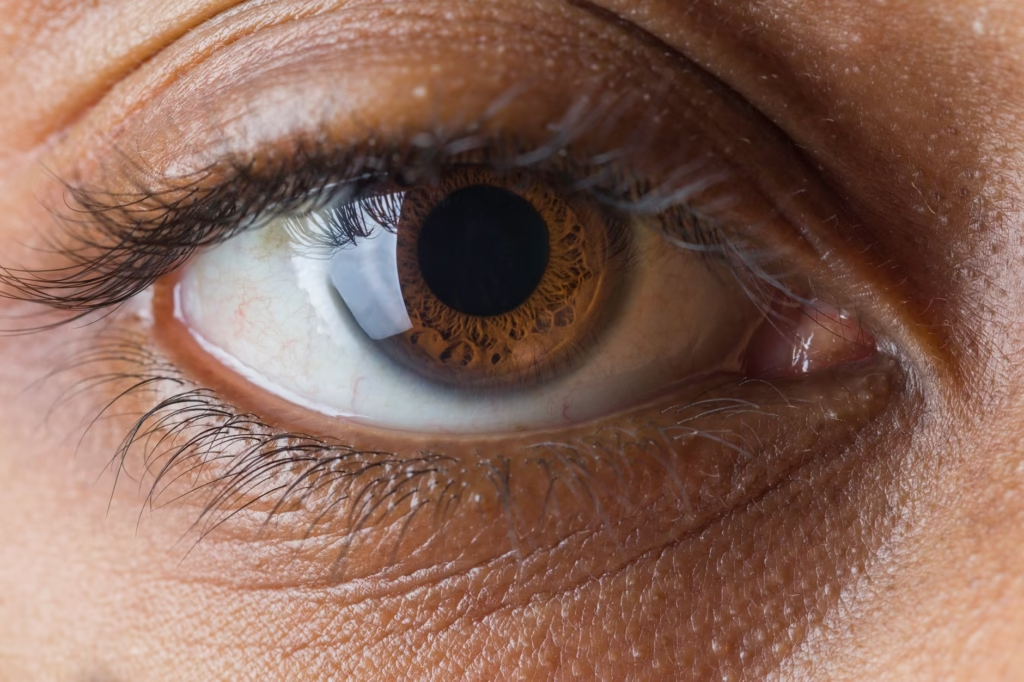
Because the nerves responsible for eye movement run directly through the cavernous sinus, vision-related issues are among the most frequently reported Left cavernous sinus meningioma symptoms. You might find that your eyes do not track together as smoothly as they used to, or you may notice that things look slightly different when you look in certain directions.
- Double vision: This occurs when the nerves controlling the muscles that move your eye are compressed, causing the eyes to be slightly out of sync.
- Drooping eyelid: Known medically as ptosis, this happens if the nerve that lifts the eyelid is affected by the pressure of the tumor.
- Eye movement limitations: You may notice difficulty looking outward, inward, or up and down, depending on which specific nerve is being pushed.
- Pupil changes: In some cases, you might notice that your left pupil reacts differently to light compared to your right pupil.
These symptoms can be subtle at first, perhaps appearing only when you are tired or trying to focus on something very specific. Over time, they may become more persistent. If you notice any sudden changes in your vision, it is vital to seek medical attention promptly to ensure that your eye health is protected and the underlying cause is properly investigated.
Facial Sensation and Pain
The trigeminal nerve, which is responsible for providing sensation to your face, has branches that pass through the cavernous sinus. When a meningioma impacts this nerve, it can lead to various sensations on the left side of the face. Many people describe this as a feeling of numbness, tingling, or a pins-and-needles sensation in the forehead, cheek, or jaw.
In addition to numbness, some individuals may experience facial pain or discomfort. This is different from a typical headache. It might feel like a sharp or aching sensation localized to one side of the face. Because this nerve is so important for daily activities like eating and talking, any interference can be quite noticeable and disruptive to your comfort.
It is common for these symptoms to fluctuate. They might be more noticeable at certain times of the day or when you are stressed. Keeping a simple log of when you feel these sensations can be very helpful for your doctor. By tracking the timing, intensity, and duration of the numbness or pain, you provide your healthcare provider with valuable data that can aid in the diagnostic process.

How Doctors Diagnose Meningiomas
When you present with symptoms that suggest a cavernous sinus issue, your doctor will likely start with a thorough neurological examination. They will test your eye movements, check your facial reflexes, and evaluate your vision. This physical exam is the first step in narrowing down what might be causing your concerns.
Following the physical exam, imaging is almost always required to get a clear look at the area. Magnetic Resonance Imaging, or MRI, is the gold standard for diagnosing a meningioma. It provides detailed pictures of the soft tissues in the brain, allowing the doctor to see the exact size, shape, and location of the growth. Sometimes, a contrast dye is used to make the tumor stand out more clearly against the surrounding brain tissue.
Once the imaging is complete, your medical team will discuss the findings with you. They will look at whether the tumor is pressing on critical structures and what the growth rate appears to be. This information is crucial for determining the best course of action, which could range from regular monitoring to more active intervention depending on your specific health profile.
Treatment Options and Management
Not every meningioma requires immediate surgery. In many cases, especially if the tumor is small and not causing severe impairment, doctors may recommend a strategy called watchful waiting. This involves regular MRI scans to monitor the growth of the tumor over time. This approach recognizes that some meningiomas grow so slowly that they may never cause significant problems during a patient’s lifetime.
If the tumor is causing symptoms that interfere with your quality of life, or if it shows signs of significant growth, other treatments might be considered. These include:
| Treatment Type | Description |
|---|---|
| Radiation Therapy | Uses focused energy beams to stop the tumor from growing further. |
| Microsurgery | A surgical procedure to remove as much of the tumor as safely possible. |
| Observation | Regular imaging to track changes without immediate intervention. |
The decision about which treatment to pursue is a collaborative one. Your neurosurgeon will weigh the risks and benefits based on your age, overall health, and the specific characteristics of the tumor. It is important to ask questions and fully understand the goal of any proposed treatment, whether it is to shrink the tumor, stop its growth, or alleviate specific symptoms.

Living with a Diagnosis
Receiving news of a meningioma can be a life-altering experience. It is perfectly normal to feel anxious about the future. However, many people continue to live full and active lives while managing their condition. The key is to stay informed and to maintain a strong partnership with your healthcare team. Do not hesitate to seek a second opinion if you feel it will help you make a more confident decision about your care.
Support is an essential part of the journey. Whether that comes from family, friends, or support groups, having people to talk to can make a significant difference. Many hospitals offer resources for patients with brain conditions, including counseling and educational materials. Remember that you are not alone, and there are many professionals dedicated to helping you navigate this path.
Focusing on your overall well-being is also important. While you cannot control the growth of the tumor through diet or exercise, maintaining a healthy lifestyle can help you manage stress and improve your resilience. Eat a balanced diet, get enough rest, and engage in activities that bring you joy. These simple steps can help you maintain your quality of life while you manage your health.
Frequently Asked Questions
Is a left cavernous sinus meningioma cancerous?
The vast majority of meningiomas are benign, meaning they are non-cancerous. While they can cause symptoms by pressing on nearby structures, they typically do not spread to other parts of the body.
Can vision loss from a meningioma be reversed?
In many cases, relieving the pressure on the optic nerves or associated structures can lead to an improvement in symptoms. However, the extent of recovery depends on how long the pressure was present and the severity of the nerve damage.
How fast do these tumors grow?
Meningiomas are generally known for being slow-growing. Some may remain stable for many years, while others may show a very gradual increase in size that requires periodic monitoring.
What should I do if I suspect I have these symptoms?
The most important step is to schedule an appointment with your primary care physician or a neurologist. They can perform a clinical assessment and order the necessary imaging to provide a clear diagnosis.
The Bottom Line
Navigating the symptoms associated with a left cavernous sinus meningioma requires patience and medical guidance. By understanding that these symptoms are largely due to pressure on the surrounding cranial nerves, you can better communicate with your doctors and track your health. While the diagnosis may feel daunting, remember that most of these tumors are benign and highly manageable with modern medical technology. Stay proactive, keep your appointments, and prioritize your well-being as you work with your healthcare team to find the best path forward for your specific needs.