Key Takeaways
- Sinus infections rarely lead to meningitis but require monitoring.
- Recognize the 'red flag' symptoms like high fever and stiff neck.
- Seek immediate emergency care if neurological changes occur.
- Early treatment of sinus infections prevents serious complications.
Understanding the Link Between Sinusitis and Meningitis
Most people experience a sinus infection at some point in their lives, usually characterized by congestion, facial pressure, and a runny nose. While these infections are typically uncomfortable but manageable, it is important to be aware of rare complications. Researching Meningitis from sinus infection symptoms is a proactive way to understand when a routine health issue might be escalating into something more serious that requires professional intervention.
Meningitis is an inflammation of the protective membranes covering the brain and spinal cord, known as the meninges. When a sinus infection becomes severe, the bacteria involved can potentially spread from the sinus cavities into the bloodstream or directly into the brain lining. While this is uncommon due to modern medical treatments, recognizing the warning signs early is vital for effective care.
This guide aims to provide you with clear, evidence-based information regarding the signs that suggest a sinus infection has spread. Please remember that this information is for educational purposes only. If you suspect you or a loved one is experiencing severe symptoms, you must seek medical attention immediately from a qualified healthcare provider or emergency services.
How Sinus Infections Can Progress
The sinuses are hollow air-filled pockets located behind your forehead, nasal bones, cheeks, and eyes. They are lined with a thin layer of mucus that traps dust and germs. When these passages become blocked, bacteria can multiply, leading to a sinus infection, or sinusitis. In the vast majority of cases, these infections clear up with rest, hydration, and over-the-counter support.
However, the proximity of the sinuses to the brain creates a potential pathway for infection. If a sinus infection is left untreated or if it is particularly aggressive, the infection can breach the bony walls that separate the sinuses from the cranial cavity. Once the bacteria reach the protective layers of the brain, they can trigger meningitis.
It is important to note that this progression does not happen overnight. It is usually the result of a severe, chronic, or improperly treated infection. By monitoring your recovery and watching for signs that your condition is worsening rather than improving, you can take the necessary steps to prevent such complications.

Key Meningitis from Sinus Infection Symptoms
Recognizing the difference between a standard sinus infection and the onset of meningitis is crucial. While both may cause head pain, the nature of the pain and the presence of other neurological symptoms differ significantly. The following symptoms should be treated as potential medical emergencies:
- A sudden, severe, and unrelenting headache.
- Stiffness in the neck, especially when trying to touch your chin to your chest.
- High fever accompanied by chills.
- Sensitivity to bright lights, known as photophobia.
- Confusion, disorientation, or difficulty focusing.
- Nausea and vomiting that seems unrelated to nasal drainage.
- Unexplained lethargy or extreme difficulty waking up.
These symptoms indicate that the central nervous system may be under stress. If you or someone you are caring for exhibits these signs, do not wait to see if they improve on their own. The transition from a local infection to a systemic or neurological one can happen rapidly, and timely medical intervention is the most effective way to ensure a positive outcome.
Comparing Symptoms for Clarity
To help you distinguish between standard sinusitis and the red flags of meningitis, we have organized the typical presentations below. This table is not for self-diagnosis but to help you communicate clearly with a medical professional.
| Symptom | Typical Sinusitis | Potential Meningitis |
|---|---|---|
| Headache | Localized pressure in face/forehead | Severe, generalized, and constant |
| Neck | Normal range of motion | Stiffness/pain with movement |
| Mental State | Clear, though perhaps tired | Confusion, delirium, or lethargy |
| Light Sensitivity | Rare | Common and severe |
| Fever | Low grade or absent | High and persistent |
When to Seek Emergency Medical Care
You should prioritize immediate medical evaluation if your sinus symptoms change abruptly. A sinus infection that seems to be getting worse after a week of treatment, or one that is accompanied by neurological changes, requires a professional assessment. Doctors use various diagnostic tools, including physical exams, blood tests, and imaging like a CT scan, to determine the extent of an infection.
Do not attempt to manage symptoms that suggest neurological involvement at home. If you notice a family member acting strangely, struggling to stay awake, or complaining of a headache that is unlike any they have had before, contact emergency services. Early treatment with intravenous antibiotics is the standard of care for bacterial meningitis, and speed is essential for recovery.

Risk Factors and Prevention
While anyone can develop a sinus infection, certain factors can increase the risk of complications. Individuals with weakened immune systems, chronic inflammatory conditions, or structural issues in the nasal passages may be more susceptible to persistent infections. Maintaining good overall health is your first line of defense against complications.
Prevention is centered on managing sinus health effectively. This includes staying hydrated, using saline nasal rinses to keep passages clear, and addressing allergies that might contribute to chronic inflammation. If you have a sinus infection that lasts longer than ten days, or if it improves and then suddenly worsens, it is time to consult a doctor to discuss whether further treatment is necessary.
By treating sinus infections early and following the advice of your doctor, you significantly lower the chances of the infection spreading. The goal is to resolve the infection while it is still confined to the sinus cavities, preventing it from ever reaching the sensitive tissues of the brain.
Treatment Approaches for Serious Infections
When a doctor suspects that an infection has moved beyond the sinuses, the treatment plan changes significantly. Unlike a routine sinus infection which might be managed with rest or oral antibiotics, a suspected meningitis case requires hospital-level care. Doctors will focus on stabilizing the patient and addressing the source of the infection.
Treatment often involves a combination of intravenous antibiotics, fluids, and medications to reduce inflammation and manage symptoms like fever or pain. The medical team will monitor vital signs closely to ensure the brain and spinal cord are protected. Recovery depends on how early the treatment is initiated, emphasizing why waiting is never the right choice when symptoms are severe.
Diagnostic Imaging and Clinical Evaluation
The Role of Computed Tomography
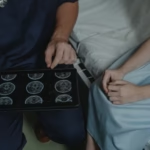
When a physician suspects that a sinus infection has breached the protective barriers of the skull, they typically order a computed tomography scan. This imaging modality provides high resolution views of the paranasal sinuses and the surrounding bone structures. It allows medical professionals to identify bony erosion or fluid collections that suggest an intracranial complication. Early detection through these scans is critical for preventing permanent neurological damage.
Magnetic Resonance Imaging for Soft Tissue
Magnetic resonance imaging is often utilized when there is a suspicion of inflammation involving the brain parenchyma or the meninges. Unlike standard scans, this technology excels at visualizing soft tissues and identifying subtle areas of enhancement that indicate infection. It can reveal abscess formations or venous sinus thrombosis that might not be visible otherwise. Neurologists rely on this data to map the extent of the infection and plan surgical interventions.
- Identification of intracranial abscesses
- Detection of dural sinus thrombosis
- Assessment of meningeal enhancement patterns
- Evaluation of surrounding brain tissue health

The Pathophysiology of Intracranial Spread
Direct Extension Through Bone
The paranasal sinuses are separated from the brain by relatively thin layers of bone. In cases of severe or chronic sinusitis, the inflammatory process can lead to the thinning or destruction of these bony walls. Bacteria can then migrate directly into the cranial vault through these pathways. This process is particularly dangerous because it bypasses the body’s primary immune defense mechanisms in the bloodstream.
Hematogenous Spread and Venous Pathways
Another route for infection involves the venous system that drains the sinus area. The valveless nature of the veins in this region allows for the retrograde flow of infected blood into the intracranial sinuses. Once the bacteria enter the bloodstream, they can quickly seed the meninges and cause widespread inflammation. This pathway highlights why even localized infections require careful monitoring to prevent systemic spread.
Long Term Neurological Considerations
Monitoring for Cognitive Sequelae
Patients who recover from meningitis originating from a sinus source may require long term cognitive monitoring. The inflammatory response can sometimes lead to deficits in memory, attention, or executive function. Rehabilitation specialists often work with these individuals to address any persistent challenges in daily living. Early intervention with cognitive therapy can significantly improve long term outcomes for these patients.
Addressing Potential Hearing and Vision Deficits
Inflammation near the base of the skull can occasionally involve the cranial nerves responsible for vision and hearing. Damage to these nerves may manifest as blurred vision, double vision, or sudden changes in auditory perception. Regular follow up appointments with ophthalmologists and audiologists are essential for tracking these changes. Most patients show gradual improvement as the underlying infection resolves and the neurological inflammation subsides.
- Cognitive screening for memory retention
- Regular visual field testing for optic nerve health
- Serial audiometry to monitor hearing thresholds
- Physical therapy for balance and coordination
Frequently Asked Questions
Can a simple cold turn into meningitis?
A simple cold is a viral infection that rarely leads to meningitis. However, if a cold causes severe sinus blockage that leads to a secondary bacterial infection, the risk is theoretically higher, though still very rare. Monitoring your symptoms remains the best practice.
Is a stiff neck always a sign of meningitis?
Not necessarily. A stiff neck can be caused by muscle strain, poor posture, or sleeping in an awkward position. However, if neck stiffness occurs alongside a fever, headache, or confusion, it must be evaluated by a medical professional immediately to rule out serious conditions.
How quickly can meningitis develop from a sinus infection?
The progression varies greatly depending on the individual’s immune system and the severity of the infection. It is not an instantaneous process, but it can progress over several days. If you notice your symptoms are worsening rapidly, seek medical help without delay.
What should I do if I am worried about my sinus infection?
The best course of action is to schedule an appointment with your primary care physician. They can examine your sinuses, assess your symptoms, and determine if you need antibiotics or other treatments. If you are ever unsure, it is always safer to seek professional medical advice.
The Bottom Line
The vast majority of sinus infections are benign and resolve without incident. However, understanding the potential for complications like meningitis empowers you to take action when it matters most. By recognizing the warning signs, specifically high fever, severe headache, neck stiffness, and confusion, you can protect yourself and your loved ones. Always prioritize professional medical evaluation over home monitoring when symptoms become concerning, as early intervention is the key to safety and recovery.