Does Cellulite Go Away After Pregnancy?
Today we will be talking about cellulite and its relation to pregnancy. Cellulite is a common skin condition characterized by a dimpled appearance that occurs when fat deposits push through the connective tissue beneath the skin. It typically appears on areas such as the thighs, hips, and buttocks. While it can affect anyone, regardless of body weight or shape, it is notably more prevalent in women. During pregnancy, various physiological changes, including weight gain and hormonal fluctuations, can exacerbate the appearance of cellulite. This condition can be a source of concern for many women, especially after they give birth. As such, understanding the factors that affect cellulite, how it can be treated, and whether it can go away after pregnancy is significant for new mothers striving for body confidence.
Understanding Cellulite: Causes and Characteristics
Cellulite often becomes more apparent due to changes in body composition, which can occur during pregnancy. A deeper understanding of what contributes to cellulite can help you manage expectations about its persistence after pregnancy. Factors such as genetics, hormone levels, age, and body fat percentage can all influence the degree of cellulite development. Hormones like estrogen, insulin, and catecholamines play a part in fat storage and cellulite formation.
Many women notice a distinct change in their skin texture after pregnancy. As body fat redistributes and skin elasticity may decrease, this can accentuate the dimpled appearance of cellulite. After childbirth, some women may find that cellulite becomes less pronounced as their bodies recover; others may experience the contrary. Recognizing these factors empowers individuals to adopt healthier lifestyles and initiate effective treatments to minimize the appearance of cellulite.
Factors Increasing Cellulite Post-Pregnancy
Several factors can contribute to the persistence or worsening of cellulite after pregnancy. These may include fluctuations in weight, lifestyle choices, and hormonal balance. After pregnancy, many women experience rapid weight loss or gain, which can influence how cellulite appears. Sudden changes may affect skin elasticity and reinforce the visibility of dimples. Additionally, physical activity may take a backseat due to caring for a newborn, leading to a decline in muscle tone and an increase in body fat. It becomes essential for new mothers to incorporate exercise and healthy eating habits into their routines to potentially manage cellulite.
Postpartum Hormonal Changes and Cellulite
The hormonal changes women experience postpartum can significantly impact the appearance of cellulite. After childbirth, estrogen levels can fluctuate as the body adjusts back to its pre-pregnancy state. These hormonal shifts can influence various bodily functions, including fat storage and skin texture. Understanding how hormonal changes correlate with cellulite can help women realize that their body’s natural processes may play a role in reducing its visibility. Staying informed about these changes can foster a sense of acceptance and empowerment in one’s postpartum body.
Nutrition’s Role in Managing Cellulite
Nutrition plays a critical role in managing the visibility of cellulite. After pregnancy, maintaining a balanced diet rich in whole foods, including fruits, vegetables, lean proteins, and healthy fats, can support skin health and overall body composition. Staying hydrated also aids in maintaining skin elasticity. Incorporating anti-inflammatory foods into your diet can reduce swelling and potential cellulite appearance. Understanding how your diet affects body fat and skin texture can motivate women to make smart health choices to improve the appearance of their bodies after childbirth.
Exercise and Cellulite: The Importance of Physical Activity
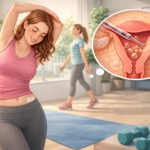
Engaging in regular physical activity is an effective way to potentially reduce the visibility of cellulite after pregnancy. Strength training and cardiovascular exercises can enhance muscle tone and improve overall body composition. Exercise also promotes circulation and lymphatic drainage, which can help reduce the appearance of fluid retention in the affected areas. Finding time to fit physical activity into a busy schedule after childbirth can be challenging; however, incorporating short workouts or walking with the baby can still yield positive benefits.
Alternative Treatments for Cellulite
Alongside lifestyle changes, various alternative treatments may help reduce the appearance of cellulite post-pregnancy. Options include topical treatments, massage therapies, and newer technologies such as laser therapy and ultrasound. Research into these treatments continues to evolve, and understanding their potential benefits and drawbacks can aid new mothers in making informed decisions. Consulting with a dermatologist or licensed professional can help direct individuals to the most effective treatment for their specific needs.
Self-Acceptance and Body Positivity Post-Pregnancy
Accepting changes in your body after pregnancy is crucial for mental well-being. Many women may find themselves grappling with societal pressures regarding body image, but a shift towards body positivity can lead to greater self-love and acceptance. Recognizing that cellulite is common and may not require drastic measures to conceal can empower women to embrace their bodies as they are. Cultivating a healthy relationship with one’s body often leads to better outcomes in self-esteem and overall mental health, promoting a more positive experience of motherhood.
When to Consult Healthcare Professionals
After childbirth, it’s wise for mothers to consult healthcare professionals regarding concerns about their bodies, including cellulite. If the appearance of cellulite significantly affects self-esteem or well-being, seeking guidance from a dermatologist, nutritionist, or personal trainer can provide tailored strategies to address these concerns. They may suggest personalized exercise routines, nutritional plans, or treatments specific to an individual’s body type and health history.
Psychological Impact of Cellulite After Pregnancy
The psychological effects of body image issues, including cellulite, can be substantial after pregnancy. Many women experience fluctuations in self-esteem due to the pressure of societal beauty standards that often prioritize smooth skin and firmness. Understanding these impacts is crucial as they can influence overall mental health and maternal bonding. Open conversations surrounding body image can foster a supportive environment where mothers feel less isolated in their experiences and more empowered to take care of their emotional well-being.
Conclusion
Cellulite can be a common concern for women both during and after pregnancy. While it may seem more pronounced due to weight changes, hormonal fluctuations, or skin elasticity alterations, it is crucial to note that perception can vary greatly from individual to individual. Knowledge about cellulite and the factors surrounding its development is empowering. Numerous strategies, including nutritional adjustments, exercise, and alternative therapies, can be valuable in managing its appearance. However, fostering a sense of self-acceptance and focusing on overall health rather than just aesthetics is essential for a positive postpartum experience. Reaching out to healthcare professionals can guide this journey, ensuring mothers are informed and supported in their efforts. Ultimately, the postpartum journey is personal, and understanding that bodily changes are common amongst mothers can help nurture a more compassionate perspective.
Frequently Asked Questions
1. Will cellulite go away on its own after pregnancy?
For some women, cellulite may lessen over time as their body adjusts and recovers from pregnancy. However, it’s not guaranteed to disappear completely without lifestyle changes or treatment.
2. What exercises are most effective for reducing cellulite?
Strength training and cardiovascular exercises, such as squats, lunges, and cycling, can improve muscle tone and promote fat reduction. Regular physical activity combined with overall health strategies can yield the best results.
3. Are there any specific diets recommended for getting rid of cellulite?
A balanced diet rich in whole foods, healthy fats, lean proteins, and antioxidants can enhance skin elasticity and reduce body fat, which may aid in minimizing the appearance of cellulite.
4. Can cellulite be treated with over-the-counter products?
Some topical creams and treatments claim to reduce the appearance of cellulite, but results can vary. Consulting with a healthcare professional before trying such products is advisable.
5. Is cellulite a sign of being overweight?
No, cellulite can affect individuals of all sizes and weights. It is primarily due to genetic factors, hormonal influences, and the structure of connective tissue, not solely body weight.
Further Reading
3.5 tog sleeping bag temperature guide
What Type of Psychotherapy Is Best for Anxiety?