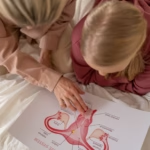
Self-Examination for Early Pregnancy
Today we will be talking about how to self-examine your stomach for early pregnancy. Self-examination can play a significant role in identifying potential signs of pregnancy before you confirm with a medical professional. Understanding your body and recognizing subtle changes can help you catch early signs of pregnancy and allow you to take the necessary steps for your health and the health of your baby.
Early pregnancy can manifest in various ways, and self-examination involves being mindful and attentive to what your body is telling you. This process does not replace a visit to a healthcare provider but can serve as a preliminary indication. Early pregnancy detection may include physical signs, hormonal changes, and emotional shifts. Recognizing these signs requires a combination of self-awareness and knowledge about your body’s typical functions.
1. Understanding Early Pregnancy Symptoms
In the early stages of pregnancy, women experience a variety of symptoms due to hormonal changes. Common early signs include missed periods, breast tenderness, nausea, fatigue, and changes in appetite. Each woman’s experience may differ based on hormonal levels and body response.
Women may notice a missed menstrual cycle as one of the first signs of pregnancy. Ovulation ceases during pregnancy, and thus, menstruation stops. Other symptoms, such as nausea (often referred to as morning sickness) and tiredness, are attributed to increased levels of hormones, particularly human chorionic gonadotropin (hCG) and progesterone. Understanding these early symptoms helps in recognizing potential pregnancy.
2. Importance of Self-Examination
Self-examination is a proactive way for women to engage with their bodily changes and note any unusual experiences or symptoms. Taking time for self-examination can foster a deeper connection with one’s body and enhance awareness of any changes that may indicate pregnancy.
By adopting a routine self-examination practice, women can become familiar with their bodies and notice any new or irregular symptoms sooner. This practice not only aids in recognizing the early signs of pregnancy but can also help to identify other potential health issues early on, encouraging timely medical consultation and intervention.
3. The Role of Hormones in Early Pregnancy
During early pregnancy, various hormones play critical roles. Key hormones include estrogen, progesterone, and hCG. They affect the metabolism, influence emotions, and change physical appearance.
Estrogen and progesterone prepare the body for pregnancy, including thickening the uterine lining and regulating other reproductive processes. As the pregnancy progresses, the production of these hormones increases, leading to physical changes such as breast swelling and tenderness or nausea. Understanding these hormonal changes is essential in recognizing early pregnancy.
4. How to Conduct a Self-Examination
Conducting a self-examination is about becoming aware of your body and its changes. Start by observing yourself in a comfortable, relaxed setting. Take note of any discomforts, feelings, and changes.
Begin by gently palpating your abdomen. Pay attention to any sensations, whether it’s tenderness, bloating, or cramping. During these examinations, it’s essential to listen to your body and document changes to discuss them with a healthcare professional.
5. Tracking Your Menstrual Cycle
Tracking your menstrual cycle can provide valuable insights into your reproductive health. Understanding the regularity and changes in your cycle can help you identify when your periods are missed or altered, which might suggest pregnancy.
There are various methods to track your cycle, ranging from calendar apps to traditional methods. Documenting any significant changes, such as delays in menstruation or shifts in your body’s symptoms, helps formulate clearer observations and discussions with your healthcare provider.
6. Changes in Your Breasts
Breast tenderness and changes in size or sensitivity can occur due to hormonal fluctuations associated with early pregnancy. These changes can vary from woman to woman.
Self-examination of the breasts involves observing size changes, checking for tenderness, and noting any unusual pains or lumps. Remember to perform this self-exam regularly, as it can also serve to detect any possible health concerns unrelated to pregnancy.
7. Mood Swings and Emotional Changes
In early pregnancy, hormonal changes can affect emotions significantly. You may observe heightened sensitivity, irritability, and mood swings affecting your overall behavior and reactions to circumstances.
Being aware of these emotional states can help you understand your feelings during early pregnancy better. Keeping a journal of your experiences can be beneficial to track your emotional health and create a pattern that you can share with your healthcare provider.
8. Dietary Changes and Appetite Fluctuations
Many women may experience changes in their appetite during early pregnancy, including cravings or aversions to certain foods. These changes are driven by hormonal shifts impacting taste and smell sensitivity.
Documenting what you’re eating and how you feel about food can help you identify changes in taste and appetite. Staying hydrated and maintaining a balanced diet is crucial for overall health during this period.
9. Recognizing Nausea and Fatigue
Nausea, commonly known as morning sickness, often begins in the early stages of pregnancy. It can occur at any time of the day and affects many pregnant women.
Fatigue is another common experience due to the body’s increased energy demand. It is vital to listen to your body and rest when needed. Keeping a symptom diary can help you remember when these feelings arise, aiding any discussions with your healthcare provider.
10. When to Seek Professional Help
If you notice unusual or persistent symptoms during your self-examination, it’s essential to reach out to a healthcare professional for further evaluation. Early intervention can lead to better health outcomes for both mother and baby.
Do not hesitate to seek advice if you experience severe cramping, abnormal bleeding, or other symptoms that cause concern. A healthcare provider can order tests or conduct examinations to determine if pregnancy is a factor.
Conclusion
In conclusion, understanding and conducting self-examinations for early pregnancy is both empowering and beneficial. Recognizing the signs of pregnancy can help facilitate timely care for yourself and your future baby. Throughout the journey of self-examination, it is crucial to maintain awareness of bodily changes, regulate emotions, and track other symptoms, leading to more informed discussions with healthcare providers.
Remember that self-examination is a tool that complements professional medical advice and should not replace it. While self-awareness helps in recognizing pregnancy signs, ultimately verifying pregnancy requires medical testing and confirmation. Taking control of your health involves observing changes and responding proactively through communication with healthcare professionals.
By educating yourself about early pregnancy symptoms and engaging in regular self-examination, you develop a greater understanding of your body, enhance your health literacy, and set a solid foundation for a healthy pregnancy. Understanding each stage of pregnancy is essential, and being proactive about any signs or changes can lead to improved outcomes. Your health journey is essential, so prioritize self-care and awareness.
Frequently Asked Questions
1. How do I know if I’m pregnant without a test?
Look for signs such as missed periods, nausea, changes in appetite, and tenderness in breasts. Self-examination can help you identify these signs.
2. Can anxiety cause symptoms similar to early pregnancy?
Yes, anxiety can manifest in physical symptoms similar to early pregnancy signs, leading to confusion. It’s vital to discuss these feelings with a healthcare provider.
3. What if I notice unusual bleeding or severe cramps during self-examination?
Seek medical advice immediately, as these could be signs of concerns that may need professional assessment.
4. How often should I conduct self-examinations?
Regular self-examinations can be conducted monthly or whenever you notice symptoms associated with menstruation or pregnancy.
5. Is it possible to have a period during pregnancy?
While some women experience light bleeding, it’s usually not a true menstrual period. If unsure, consulting your provider is recommended.
Further Reading
3.5 tog sleeping bag temperature guide
What Type of Psychotherapy Is Best for Anxiety?