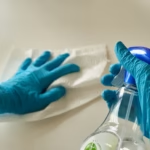
Today we will be talking about how to treat a plywood subfloor for urine before laying new carpet. Urine can be a difficult problem to deal with, especially when it has seeped into porous materials like plywood. It’s important to handle this issue promptly and effectively to protect your health, reduce unpleasant odors, and maintain the integrity of your new carpet. Understanding this process is essential for anyone looking to maintain a clean and healthy living environment while ensuring their flooring lasts.
What Does It Mean to Treat a Plywood Subfloor for Urine?
Treating plywood subfloors affected by urine means thoroughly cleaning and disinfecting the area to eliminate not only the stain but also any lingering odors and harmful bacteria. When urine penetrates plywood, it can create an environment where bacteria thrive, which may lead to health issues or persistent foul smells. This involves several steps: identifying the affected areas, cleaning them properly, deodorizing, and then sealing the plywood to prevent further issues. Utilizing the right products and techniques is crucial to ensure all traces of urine are effectively removed, making way for a fresh, new carpet that doesn’t hold any unwanted scents.
Identifying the Affected Areas
Before treatment can begin, it’s essential to identify the areas of your plywood subfloor that have been affected by urine. Look for signs such as discoloration, dark patches, or a strong odor that seems concentrated near certain spots. Make sure to also check for any noticeable stains on the carpet that might indicate urine leakage beneath. You may also want to use a UV light to help locate invisible stains, as urine can sometimes fluoresce under UV light. This initial inspection is key, as it ensures you target the correct areas efficiently, avoiding unnecessary work on unaffected zones.
Gathering Essential Cleaning Supplies
Once the affected spots have been identified, you’ll need to gather several cleaning supplies for the treatment process. Consider environmentally friendly options like enzymatic cleaners designed specifically for pet stains as they effectively break down urine crystals. Additionally, you may need white vinegar, baking soda, hydrogen peroxide, a scrub brush, and a wet vacuum for effective cleaning. Make sure you have gloves and protective eyewear as well, as some cleaning agents can be harsh on your skin and eyes. Having all materials on hand before you begin will make the entire process smoother and more efficient.
Cleaning the Subfloor
Start cleaning by applying the enzymatic cleaner directly to the stained area, ensuring it saturates the plywood to reach any urine that has penetrated the surface. Allow the cleaner to sit for at least 10-15 minutes. After this, use a scrub brush to work the solution into the wood gently, lifting stains and odors. If the stain has persisted, consider repeating this process or using a mixture of white vinegar and water as a natural alternative. An effective cleaning technique is using a wet vacuum to remove both the cleaning agent and any residual urine, deep cleansing the plywood for perfect results. The goal behind this step is to thoroughly remove as much of the urine and its components as possible.
Disinfecting the Area
After cleaning, it’s essential to disinfect the treated area to eliminate any remaining bacteria. You can use a diluted bleach solution (making sure to test it on inconspicuous areas first for color fastness) or a commercial disinfectant that’s safe for wood. Apply the solution generously to ensure thorough coverage, then again, allow it to sit for about 10 minutes before rinsing and drying the area. Effective disinfection ensures that any residue from the urine is eliminated and that your new carpet won’t become a breeding ground for bacteria.
Deodorizing the Surface
Once the cleaning and disinfection process is completed, deodorizing the subfloor is an important step. Baking soda is an excellent natural deodorizer. Sprinkle it generously over the affected areas and let it sit for at least a few hours or overnight if possible. The baking soda will absorb any remaining odors. Be sure to vacuum up the baking soda thoroughly afterward. Combining various methods like vinegar and baking soda can also enhance the deodorization process and act as a dual-action cleaner.
Sealing the Plywood
After completing all cleaning processes, sealing the treated plywood is essential for long-term protection. A high-quality sealant can shield against potential future moisture and odors while providing added stability and durability to your subfloor. Make sure to choose a sealant appropriate for plywood and follow the manufacturer’s instructions for application. Proper sealing reduces the likelihood of urine seepage in case of pet accidents or spills, which is especially important if you intend to install new carpeting.
Laying New Carpet
After treating and sealing the plywood subfloor, you can confidently move forward with laying your new carpet. It’s important to select a carpet padding and style that not only fit your decor but are also pet-friendly and resistant to staining. Ensuring the moisture barrier in the carpet pad can also help prevent future issues. During installation, retain precautions to make sure no contamination occurs during the process, keeping your area clean and hygienic.
Maintenance Tips for the Future
Regular maintenance is vital to ensure the longevity of both your plywood subfloor and new carpet. This includes routine cleaning and spills management to prevent moisture from penetrating the surface again. If you own pets, consider using training methods combined with protective measures like mats or area rugs. Addressing accidents quickly and using preventive measures will protect your investment and promote a healthier indoor environment.
Benefits of Proper Treatment
By effectively treating urine-stained plywood subfloors, not only do you safeguard your new carpet investment, but you also improve the overall hygiene of your indoor space. Clean and well-maintained flooring can significantly enhance your home’s atmosphere and contribute to better indoor air quality. Taking these proactive steps will extend the life of your flooring, making your home a more pleasant and healthier place to live.
Conclusion
In summary, properly treating a plywood subfloor for urine before installing new carpet is a multi-step process that involves identifying affected areas, cleaning, disinfecting, deodorizing, sealing, and ultimately laying the new carpet. Each step is essential to protecting your investment and maintaining a healthy living space. Enzymatic cleaners work effectively against urine stains; however, combining several methods like vinegar and baking soda yields excellent results. Disinfection is key to removing harmful bacteria, and sealing prevents future moisture problems. Remember that regular maintenance is crucial to prolong the life of your flooring and to keep your living environment fresh and clean. Investing the time and effort into correctly treating your subfloor will ultimately lead to a more successful remodeling project, providing you with lasting comfort in your home.
Frequently Asked Questions
1. What if I still smell urine after cleaning?
Odors may linger if the urine hasn’t been completely removed from the subfloor. It’s advisable to repeat the cleaning and deodorizing process. Using an enzymatic cleaner specifically designed for urine problems can offer better results, as it breaks down odor-causing elements.
2. How long should I let the cleaning products sit on the subfloor?
Most cleaning products should be allowed to sit for at least 10-15 minutes to effectively break down stains and odors. The longer the cleaner sits, the more effective it will be at penetrating the wood.
3. Can I use bleach on my plywood subfloor?
While bleach can disinfect effectively, it’s crucial to dilute it properly and test it in a small, inconspicuous area first, as it may affect the color of the wood. It’s often safer to use specialized disinfectants designed for wood surfaces.
4. How can I prevent urine issues in the future?
Invest in good-quality carpet pads with moisture barriers and address pet accidents immediately. Regular cleaning and using protective mats can help minimize long-term damage.
5. Is professional help recommended?
For severe or extensive urine damage, it may be beneficial to consult with professionals. They have specialized tools and cleaners that can thoroughly treat the subfloor and ensure proper sealing, which can help to avoid further complications.
Further Reading
3.5 tog sleeping bag temperature guide
What Type of Psychotherapy Is Best for Anxiety?