Today we will be talking about standard precautions in relation to the chain of infection. Understanding the chain of infection is crucial in preventing the spread of diseases, both in healthcare settings and in our daily lives. The concept of the chain of infection refers to the steps that lead to the transmission of infectious agents. This chain consists of six components: the infectious agent, reservoir, portal of exit, mode of transmission, portal of entry, and susceptible host. When any link in this chain is broken, the spread of infection can be successfully prevented or controlled.
Standard precautions are comprehensive infection control measures designed to reduce the risk of transmission of pathogens in healthcare settings. These precautions assume that all blood and bodily fluids of patients are potentially infectious, and thus, healthcare professionals should take all necessary steps to minimize exposure. By implementing standard precautions, practitioners can effectively disrupt the chain of infection and contribute to a safer environment for both healthcare workers and patients.
Understanding the Chain of Infection
The chain of infection consists of six elements: infectious agent, reservoir, portal of exit, mode of transmission, portal of entry, and susceptible host. An infectious agent is the microbe that causes disease, such as bacteria, viruses, or parasites. The reservoir is where these agents live and multiply, which can include humans, animals, or the environment. The portal of exit is the path through which the infectious agent leaves the reservoir, such as bodily fluids or secretions. Next, the mode of transmission relates to how the pathogen spreads, which can occur through direct contact, airborne transmission, or vectors. The portal of entry is the way the infectious agent enters a new host, often through broken skin or mucous membranes. Finally, a susceptible host is an individual who is at risk of infection due to factors like weakened immune systems or underlying health issues.
Importance of Breaking the Chain of Infection
Breaking the chain of infection is imperative for control and prevention in disease outbreaks. Each link in the chain can be targeted for interruption through specific measures, such as vaccinations, proper hygiene, and the use of personal protective equipment (PPE). For instance, by ensuring vaccination, pathogens cannot reproduce, thus breaking the first link: the infectious agent. Proper hand hygiene, such as washing hands and using hand sanitizer, disrupts the transmission of pathogens, affecting the mode of transmission link. By addressing potential portals of exit and entry, we can significantly reduce the risk of infection. Recognizing environmental reservoirs and controlling exposure are just as crucial. Every action taken to break this chain contributes to public health safety.
Standard Precautions: An Overview
Standard precautions represent a set of guidelines designed to minimize the risk of infection transmission in healthcare settings. This approach is vital in meeting the need for safety and reducing the likelihood of healthcare-associated infections (HAIs). Standard precautions encompass methods such as proper hand hygiene, the use of PPE, safe handling of sharps, and proper cleaning and disinfecting of surfaces and equipment. These precautions are applicable to all patients, regardless of their known or suspected infection status. The primary objective of standard precautions is to protect both healthcare personnel and patients, effectively breaking multiple links in the chain of infection concurrently.
Hand Hygiene: The Cornerstone of Infection Control
Among the most effective measures to break the chain of infection is hand hygiene. Regular and thorough handwashing can significantly reduce the risk of transmitting infectious agents. Hand hygiene should be performed before and after patient interactions, after using the restroom, and before eating. Alcohol-based hand sanitizers can be used when soap and water are not available, although they may not be suitable for visibly soiled hands. The proper technique involves scrubbing all parts of the hands, including under the nails and between the fingers, for at least 20 seconds. Education on hand hygiene is vital for healthcare workers and the general public to reduce infection rates and promote a culture of cleanliness.
Use of Personal Protective Equipment (PPE)
Personal protective equipment (PPE) includes items like gloves, gowns, masks, and face shields that serve as barriers against infectious agents. The choice of PPE depends on the exposure risk associated with the procedure or task. For instance, gloves are essential when there is a potential for contact with blood or bodily fluids. Masks and eye protection are necessary in situations where sprays or splashes are likely to occur. Proper donning and doffing techniques must be taught to minimize contamination risks. By utilizing PPE effectively, healthcare workers can create a protective barrier and significantly reduce the risk of spreading infections, particularly in high-risk settings.
Environmental Cleaning and Disinfection
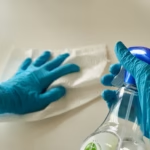
Cleaning and disinfection of surfaces and equipment play a crucial role in breaking the chain of infection. High-touch areas in healthcare settings, such as doorknobs, light switches, and medical equipment, are known hotspots for microbial contamination. Regular cleaning with appropriate disinfectants can eliminate pathogens on surfaces, thus preventing their transmission. It’s important to follow the manufacturer’s guidelines regarding dilution and contact time for disinfectants to ensure their effectiveness. Implementing regular cleaning protocols and educating staff on their importance can create a safer environment for both patients and healthcare workers.
Safe Handling of Sharps
Sharps waste, such as needles and scalpels, poses a significant risk in healthcare settings due to the possibility of injury and exposure to pathogens. Safe handling practices include using safety-engineered devices, proper disposal in designated sharps containers, and immediately discarding sharps after use. Staff should be trained to avoid recapping needles, which increases the risk of accidental injuries. Implementing a culture of safety regarding sharps management can significantly reduce the incidence of needlestick injuries and the potential spread of infectious diseases.
Education and Training in Infection Control
Implementing standard precautions is a continuous process that requires ongoing training and education for all healthcare personnel. Regular workshops and in-service training sessions can help ensure that staff remain current on infection control best practices. Education should be tailored to specific roles, as different job functions may face different risks. Hands-on training in proper techniques for hand hygiene, PPE use, and sharps safety can enhance compliance and understanding. Empowering healthcare workers through knowledge contributes to a safer healthcare environment and better patient outcomes.
Monitoring and Compliance with Infection Control Practices
Monitoring the adherence to standard precautions is vital for ensuring their effectiveness in breaking the chain of infection. Regular audits and evaluations can help identify areas for improvement and ensure compliance among healthcare staff. Feedback mechanisms should be put in place to encourage reporting of incidents and near misses regarding infection control. This proactive approach fosters a culture of accountability and encourages continuous improvement in infection prevention strategies. By closely monitoring practices, healthcare institutions can effectively reduce HAIs and promote patient and worker safety.
Conclusion
In summary, breaking the chain of infection through the implementation of standard precautions is crucial in preventing the transmission of infectious diseases. By understanding the components of the chain of infection and adopting effective measures such as proper hand hygiene, the use of PPE, and environmental cleaning, we can significantly reduce infection rates in healthcare settings and the broader community. Education and ongoing training for healthcare personnel are essential for ensuring the effectiveness of these precautions. Fostering a culture of safety and compliance enables healthcare providers to adequately protect themselves and their patients, ultimately leading to better health outcomes for everyone involved. Continual assessment and improvement of infection prevention practices contribute to a more robust healthcare system, benefitting both workers and patients alike.
Frequently Asked Questions
1. What are standard precautions?
Standard precautions are guidelines designed to prevent the transmission of infectious agents in healthcare settings. They include hand hygiene, the use of personal protective equipment (PPE), proper disposal of sharps, and environmental cleaning.
2. Why is hand hygiene important?
Hand hygiene is critical in breaking the chain of infection, as it effectively removes pathogens from the hands and prevents their transmission between patients and healthcare workers.
3. When should I use personal protective equipment (PPE)?
PPE should be used whenever there is a risk of exposure to blood or bodily fluids, during procedures that might generate sprays, or when dealing with potentially infectious materials.
4. How often should healthcare environments be cleaned?
High-touch areas should be cleaned frequently, while other surfaces should be cleaned regularly based on the setting’s guidelines and protocols.
5. What can I do to reduce the risk of infections in my community?
In the community, practicing good hygiene, staying up to date on vaccinations, and educating others about infection control measures can contribute to a safer environment.
Further Reading
3.5 tog sleeping bag temperature guide
What Type of Psychotherapy Is Best for Anxiety?