Today we will be talking about fungal infections in the lungs. A fungal infection in the lungs, also known as pulmonary fungal infection, occurs when fungi invade the lung tissues. These infections can be caused by numerous types of fungi, including species from the genera Aspergillus, Histoplasma, and Cryptococcus. The severity of these infections can vary widely, ranging from mild to life-threatening, especially for individuals with weakened immune systems. Symptoms commonly associated with lung fungal infections include persistent cough, fever, chest pain, and difficulty breathing. Identifying the type of fungal infection and starting appropriate treatment is crucial for recovery. While antifungal medications are the standard treatment, many people seek natural remedies that can support their health and boost their immune system. This article will explore various natural methods and lifestyle changes that may aid in treating fungal infections in the lungs.
Understanding Fungal Infections and Their Causes
Fungal infections in the lungs can result from exposure to environmental fungi or can occur as opportunistic infections in individuals with compromised immune systems. The fungi can enter the body through inhalation of spores or conidia present in the air. People with certain health conditions, such as asthma, lung disease, or weakened immune systems due to cancer or HIV, are at a higher risk. The types of fungi that commonly cause lung infections include Aspergillus, which can lead to infections such as aspergillosis; Histoplasma, which causes histoplasmosis often associated with bird or bat droppings; and Cryptococcus, leading to cryptococcosis often found in pigeon droppings. Recognizing these causes can help in preventing exposure and implementing proper treatment strategies effectively.
Symptoms of Lung Fungal Infections
Understanding the symptoms of fungal infections in the lungs is essential for early diagnosis and treatment. Symptoms can vary based on the type of fungus and the individual’s overall health. Common symptoms include:
- Cough: This can be dry or productive, often bringing up mucus or sputum.
- Fever: A high temperature may indicate an ongoing infection.
- Chest Pain: Some individuals may experience discomfort or sharp pain in the chest.
- Shortness of Breath: Difficulty breathing is a prevalent symptom, especially during physical activities.
- Fatigue: Many people report feeling tired or lacking energy.
It’s important to consult a healthcare provider if experiencing these symptoms, as timely medical intervention is crucial.
Importance of a Healthy Immune System
The immune system plays a vital role in combating fungal infections. A well-functioning immune system can effectively ward off these pathogens before they establish an infection. To strengthen the immune system, individuals should focus on balanced nutrition, regular exercise, maintaining a healthy weight, managing stress, and ensuring adequate sleep. Foods rich in vitamins C, D, and E, as well as zinc, can also boost immune function. Probiotics may improve gut health and, in turn, enhance immunity. de-stressing techniques such as yoga, meditation, and deep breathing can reduce the body’s susceptibility to infections. Overall, a holistic approach to health is essential for preventing and combating lung infections.
Natural Remedies for Lung Fungal Infections
Several natural remedies have been proposed to assist in the treatment of lung fungal infections. While they should not replace conventional medical treatments, some may provide supportive benefits:
- Garlic: Known for its antifungal properties, garlic can help fight infections. Consuming raw garlic or taking garlic supplements may be beneficial.
- Oregano Oil: This essential oil is recognized for its antibacterial and antifungal properties. It can be ingested or used in diffusers for inhalation.
- Ginger: Ginger root may help reduce inflammation and support respiratory health. Drinking ginger tea regularly can be soothing.
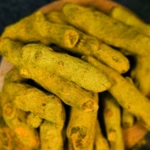
- Turmeric: With its active ingredient curcumin, turmeric possesses anti-inflammatory and antifungal properties. Incorporating it into meals is beneficial.
While these natural remedies may support recovery, professional medical guidance is essential, particularly when dealing with severe infections.
Dietary Recommendations for Recovery
A balanced diet rich in nutrients is vital for recovery and boosting immunity. Foods high in antioxidants, vitamins, and minerals help the body combat infections. Focus on organic fruits and vegetables, particularly those that are known for their anti-inflammatory and antifungal properties. Berries, citrus fruits, leafy greens, and cruciferous vegetables are excellent choices. Avoiding processed foods, refined sugars, and excessive dairy can also be beneficial as these can promote inflammation and fungal growth. Staying hydrated is critical, so drinking sufficient water and herbal teas can also help support the body’s healing process.
Herbs and Supplements That Support Lung Health
In addition to dietary changes, several herbs and supplements may be advantageous for lung health:
- Lungwort: This herb is traditionally used for lung health. It’s thought to help soothe respiratory issues and support lung function.
- Pleurisy Root: Known for its soothing effects, pleurisy root may be beneficial for respiratory ailments.
- Mullein: This herb is commonly used to relieve coughing and support lung health. It is available in tea or supplement form.
- Vitamin C: As an essential nutrient, vitamin C supports immune function and may enhance overall health.
Consulting with healthcare professionals is important before starting any new herbs or supplements, particularly for individuals with existing health conditions.
Good Hygiene Practices to Prevent Infection
Maintaining proper hygiene is essential in preventing lung fungal infections. Individuals should take the following precautions:
- Wash Hands Regularly: Frequent hand washing with soap and water can minimize the spread of pathogens.
- Avoid Crowded Places: During peak fungal infection seasons, it may be wise to avoid areas with high fungal exposure.
- Use Masks: If individuals are prone to respiratory infections or are in high-risk environments, wearing masks can provide an additional layer of protection.
- Avoid Smoking: Cigarette smoke can weaken lung function and immune response, making it easier for infections to take hold.
Implementing these hygiene practices helps create a healthier environment, reducing the likelihood of exposure to harmful fungi.
Stress Management for Better Health
Managing stress effectively is crucial for improving predisposition to various infections. High stress levels can weaken the immune system, making individuals more susceptible to fungal infections in the lungs. Techniques such as mindfulness, meditation, yoga, and physical activity can significantly reduce stress levels. Engaging in hobbies, spending time in nature, or connecting with loved ones can also alleviate stress. Regular practice of these techniques fosters a balanced state of mind, contributing positively to immune health.
The Role of Exercise in Recovery
Regular physical activity is fundamental to maintaining a healthy immune system. Exercise enhances overall well-being and promotes good lung function. Activities such as walking, jogging, swimming, or yoga can improve lung capacity and enhance respiratory function. Greater oxygen intake helps the body’s cells perform optimally, including immune cells. It’s recommended to aim for at least 150 minutes of moderate-intensity exercise weekly. However, always consult with healthcare providers before beginning any new exercise regimen, especially following an infection.
When to Seek Medical Attention
It is crucial for individuals to recognize when to seek medical attention for suspected fungal infections in the lungs. Signs that medical intervention is needed include a persistent cough lasting more than a few weeks, worsening shortness of breath, chest pain, or any symptoms accompanied by a high fever. Individuals with weakened immune systems or previous lung disease should be particularly vigilant. Not all fungal infections can be effectively treated with natural remedies alone; professional medical assessment is essential for appropriate diagnosis and treatment.
In summary, fungal infections of the lungs can cause varying degrees of illness, especially in vulnerable populations. While antifungal medications are effective, many individuals seek natural methods to treat and support their recovery. A proactive approach that includes understanding the causes and symptoms, maintaining a healthy immune system, employing natural remedies, following good hygiene practices, managing stress, and staying active can significantly enhance recovery efforts. Prevention through proper hygiene and timely medical intervention is key. Always consult healthcare professionals before beginning new treatments, whether natural or conventional.
Frequently Asked Questions
1. Can fungal infections in the lungs be treated with natural remedies?
Yes, while antifungal medications are typically necessary for treating lung fungal infections, natural remedies can be used to support overall health and recovery. Examples include garlic, ginger, and oregano oil.
2. What are the most common symptoms of lung fungal infections?
Common symptoms include a persistent cough, chest pain, fever, and shortness of breath. Fatigue is also frequently reported.
3. Why is a healthy immune system important for preventing lung infections?
A robust immune system can effectively recognize and eliminate pathogens, including fungi, before they lead to infections. It plays a critical role in overall health and protection against infections.
4. When should I see a doctor for suspected fungal lung infection?
Consult a healthcare provider if you experience persistent or worsening symptoms like cough, fever, or difficulty breathing, especially if you have a weakened immune system or a history of lung disease.
5. Can dietary changes help in recovery from lung fungal infections?
Yes, incorporating a balanced diet rich in fruits, vegetables, and nutrients can support immune function and aid in recovery. Foods high in antioxidants and antifungal properties are particularly beneficial.
Further Reading
3.5 tog sleeping bag temperature guide
What Type of Psychotherapy Is Best for Anxiety?