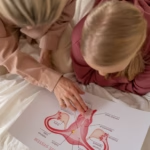
Today we will be talking about Plan B and yeast infections. Many women are familiar with the concept of Plan B, often known as the “morning-after pill.” This emergency contraceptive is used to prevent pregnancy after unprotected sex or contraceptive failure. Plan B works primarily by delaying ovulation, thereby preventing fertilization. It is most effective when taken within 72 hours of intercourse. While the primary focus of Plan B is pregnancy prevention, it is crucial to understand its potential effects on vaginal health, particularly concerning yeast infections. In this post, we will examine yeast infections’ nature, how Plan B can influence them, and tips for maintaining optimal vaginal health after taking the emergency contraceptive. This information is critical for women looking to protect their reproductive health while understanding the potential consequences of their choices.
What is a Yeast Infection?
Yeast infections, also known as candidiasis, are common infections caused by an overgrowth of the Candida fungus, predominantly Candida albicans. These infections can occur in various parts of the body, but they are most commonly associated with the vaginal area. Symptoms may include intense itching, a thick, white discharge resembling cottage cheese, irritation, and discomfort during urination or intercourse. Yeast infections are not classified as sexually transmitted infections, but they can be triggered by various factors, including antibiotic use, hormonal changes, diabetes, and a weakened immune system. Understanding yeast infections is essential for women, especially in relation to factors such as contraception and other medical treatments, including Plan B. Prompt diagnosis and treatment are necessary to alleviate discomfort and prevent recurrence.
Understanding Plan B and Its Mechanism
Plan B is primarily composed of levonorgestrel, a synthetic hormone that mimics the effects of progesterone in the body. It primarily works to prevent ovulation; if taken before the ovary releases an egg, it can significantly reduce the likelihood of pregnancy. Plan B does not terminate an existing pregnancy or protect against sexually transmitted infections. Understanding the mechanism of Plan B is crucial for users, as it can help clarify when and how it should be used effectively. It is important to note that while Plan B is generally safe, it may have side effects that can impact vaginal health, potentially increasing the likelihood of developing a yeast infection.
Can Plan B Cause Yeast Infections?
The hormonal changes induced by taking Plan B can disrupt the natural balance of bacteria and yeast in the vagina. Taking Plan B may lead to hormonal fluctuations, which can create an environment that is conducive to yeast overgrowth. This is especially pertinent for women who are already susceptible to yeast infections due to factors such as previous antibiotic use or other hormone-related medications. Women are encouraged to be aware of the symptoms of yeast infections following the use of Plan B, as their bodies might react differently to the hormonal changes involved. It is important to monitor any unusual symptoms and seek medical advice when necessary.
Symptoms of Yeast Infections After Using Plan B
After taking Plan B, women may experience various symptoms that could indicate a yeast infection. Common symptoms include discomfort in the vaginal area, increased itching or burning sensation, unusual discharge, and pain during intercourse. Women should be vigilant about these symptoms and differentiate them from potential side effects of Plan B, such as nausea or fatigue. If any of these symptoms arise, it is crucial to consult a healthcare professional; early intervention can lead to a more effective treatment and faster relief of symptoms. Keeping track of any changes in your body after taking Plan B can help you communicate better with your healthcare provider regarding your needs.
Preventing Yeast Infections After Plan B
Preventing yeast infections after taking Plan B involves maintaining good vaginal health. Women can take proactive measures to reduce the likelihood of infection, such as wearing breathable cotton underwear, avoiding douching, limiting the use of scented products, maintaining a balanced diet, and ensuring proper hygiene practices. Staying hydrated and consuming probiotics can also promote a healthy vaginal microbiome. Additionally, practicing safe sex can help protect against infections, as sexually transmitted infections can complicate the situation. Awareness of your body’s signals and taking preventive steps can empower you to maintain your vaginal health after using emergency contraception.
Treatment Options for Yeast Infections
If you suspect that you have developed a yeast infection following Plan B use, several treatment options are available. Over-the-counter antifungal medications, such as clotrimazole or miconazole, are often effective for mild cases. Prescription medications may be necessary for chronic or severe infections. Consulting a healthcare provider can help determine the best course of action based on your symptoms and medical history. It is important to treat yeast infections promptly to prevent them from worsening or leading to complications.
Consulting a Healthcare Professional
When experiencing potential yeast infections after taking Plan B, seeking guidance from a healthcare professional is crucial. They can provide tailored advice, recommend appropriate treatments, and help rule out other conditions that may present with similar symptoms, such as bacterial vaginosis or sexually transmitted infections. Open communication regarding your symptoms, medical history, and any medications you are taking can help your healthcare provider make informed decisions about your treatment. Regular gynecological check-ups and consultations can help maintain your reproductive health.
Long-Term Vaginal Health Considerations
Maintaining long-term vaginal health goes beyond addressing immediate concerns like yeast infections. Adopting a balanced diet rich in probiotics, exercising regularly, managing stress, and maintaining good hygiene practices contribute to overall wellness. Understanding your menstrual cycle, recognizing your body’s normal patterns, and being proactive can help identify irregularities early, leading to quicker interventions if health issues arise. Women should also be educated about their reproductive health, menstrual products, and potential side effects of medications, enabling them to make informed choices.
Impact of a Healthy Lifestyle on Yeast Infections
A healthy lifestyle can significantly impact the frequency and severity of yeast infections. Reducing sugar intake, staying hydrated, and consuming a balanced diet can help keep the immune system strong and the vaginal flora balanced. Regular physical activity can help regulate hormones and improve overall well-being. Stress management techniques, such as mindfulness and relaxation exercises, can also play a role in reducing the risk of infections. Investing in your general health can pay dividends in terms of improved reproductive health, reducing the likelihood of yeast infections and other complications.
Frequently Asked Questions
1. Can I take Plan B if I have a yeast infection?
Yes, taking Plan B is generally safe if you have a yeast infection. However, consult your healthcare provider if you have concerns or if your symptoms exacerbate.
2. How long after taking Plan B can I expect my period?
Your period may arrive within a few weeks after taking Plan B. Delayed periods can also occur if the hormone levels remain elevated; if your period is more than a week late, consider taking a pregnancy test.
3. Are there any side effects of Plan B?
Common side effects of Plan B include nausea, fatigue, and changes in your menstrual cycle. Some women may also experience breast tenderness or headaches. Yeast infections can occur as a secondary effect due to hormonal changes.
4. What are the risk factors for yeast infections?
Risk factors for yeast infections include antibiotic use, hormonal changes (like taking birth control or Plan B), a weakened immune system, and conditions like diabetes. Stress and poor diet can also contribute.
5. How can I distinguish between a yeast infection and other conditions?
While many symptoms can overlap with other conditions, yeast infections typically cause itching, vaginal discharge resembling cottage cheese, and irritation. If symptoms persist or worsen, consult a healthcare professional for an accurate diagnosis.
In conclusion, understanding the relationship between Plan B and yeast infections is vital for women’s health. Yeast infections can occur as a side effect of the hormonal fluctuations caused by taking Plan B. Awareness of symptoms and proactive steps to maintain vaginal health can help mitigate these risks. Staying informed about treatment options and consulting healthcare providers as needed is essential for addressing concerns quickly and effectively. Long-term vaginal health depends on various lifestyle factors, and empowering oneself with knowledge about reproductive health can lead to better health outcomes. Close attention to changes in your body after taking Plan B, alongside preventive measures and self-care practices, will support your reproductive health journey.
Further Reading
3.5 tog sleeping bag temperature guide
What Type of Psychotherapy Is Best for Anxiety?