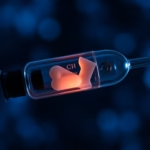
Today we will be talking about **leech bites** and the infections that can arise from them. Leeches are small, worm-like creatures that thrive in freshwater environments, often found in ponds, lakes, and marshes. While their bite is typically harmless and used as a medical treatment in some cases, complications may arise, particularly if the bite becomes infected. An understanding of the characteristics of leech bites, potential complications, and effective management strategies is vital for anyone exposed to these creatures during outdoor activities.
Understanding Leeches
Leeches belong to the class Hirudinea, which encompasses several species, both marine and freshwater. Most people are familiar with the common medicinal leech (Hirudo medicinalis), historically used for bloodletting and more recently in reconstructive surgery for improving blood circulation. Leeches are equipped with sucker-like mouths that allow them to latch onto host organisms and extract blood. Though their bites are often painless due to the injection of natural anesthetic, there’s a risk of infection once they detach. Leeches play a vital role in their ecosystems as scavengers, filtering debris and assisting in nutrient cycling.
Leech Bite Symptoms
Most individuals bitten by leeches may not acknowledge the bite immediately due to the absence of pain. **Symptoms** usually develop after the leech has detached, as it leaves behind a wound that may bleed profusely due to the anticoagulants introduced during the feeding process. Common symptoms include:
- Formation of a visible wound at the bite site
- Bleeding that may last for several hours
- Swelling and redness in the affected area
- Potential for secondary infections such as cellulitis
Identifying these symptoms promptly is crucial for effective treatment and complication prevention.
Risk of Infection from Leeches
Although leech bites are generally not dangerous, the risk of **infection** is a significant concern. The wound left by a leech can become infected by various bacteria, including Staphylococcus aureus and Streptococcus pyogenes. This is often due to a combination of factors, including the introduction of bacteria from the leech’s mouth or from the environment post-bite. Symptoms of an infection can include:
- Increasing redness and swelling around the bite site
- Pus or other discharges indicating a deeper infection
- Fever and chills if systemic infection occurs
Timely intervention and treatment are necessary to manage such infections effectively.
First Aid for Leeches
Effective **first aid** is essential to minimize complications after a leech bite. The following steps can be taken:
- Remove the leech gently using tweezers, avoiding squeezing its body as this may cause it to regurgitate into the wound.
- Clean the bite area thoroughly with soap and water.
- Apply antiseptic to reduce the risk of infection.
- Cover the wound with a sterile bandage to protect it from dirt and bacteria.
- Monitor the bite area for any signs of infection.
Being knowledgeable about appropriate first aid responses can greatly reduce the risk of complications and promote healing.
When to Seek Medical Attention
In some cases, medical attention may be necessary. Individuals should seek help if:
- The wound continues to bleed after a few hours
- Signs of infection appear, such as increased redness, swelling, or pus
- Fever over 38°C (100.4°F) occurs
- Severe pain or discomfort at the bite site increases
A healthcare provider may prescribe antibiotics to prevent or treat infections, ensuring a quicker recovery. It’s essential to keep healthcare professionals informed about the nature of the bite for tailored care.
Nutritional Support for Recovery
Following a **leech bite**, focusing on proper nutrition can support the healing process. Essential nutrients to promote recovery include:
- Protein: Facilitates tissue repair. Include sources such as lean meats, legumes, and nuts.
- Vitamin C: Boosts the immune system and helps wound healing. Citrus fruits, strawberries, and bell peppers are great sources.
- Zinc: Essential for cellular repair and immune function. Foods like meat, shellfish, and seeds provide adequate zinc.
A well-balanced diet supports the body’s natural healing mechanisms, enhancing the recovery process after any injury, including those from leech bites.
Preventing Leech Bites
While enjoying outdoor activities, **prevention** of leech bites should be a priority. Effective ways to avoid leeches include:
- Wearing protective clothing such as long sleeves and pants when walking through areas known for leeches.
- Using repellent substances that are effective against leeches; some insect repellents also deter leeches.
- Avoiding sitting or lying down directly on the ground in damp environments.
Educating oneself about leech habitats and behaviors can also enhance prevention efforts.
Home Remedies for Leeches
Some individuals may prefer employing **home remedies** post-bite to alleviate symptoms. Popular options include:
- Aloe Vera: Known for its soothing and anti-inflammatory properties, aloe vera gel can be applied to the bite site.
- Tea Tree Oil: With its natural antiseptic properties, diluted tea tree oil may help prevent infections.
- Honey: This natural antibiotic can be applied to the wound to promote healing.
While home remedies can be effective, they should not replace professional medical treatment when necessary.
Leech Bite Infections and Treatment
In the event of **leech bite infections**, treatment is crucial. Healthcare providers often recommend antibiotic therapy to combat infections efficiently. Each case may differ based on the severity and onset of symptoms. Additionally, draining any abscess formed from a secondary infection might be necessary. Follow-up appointments to monitor healing can also be beneficial. Education about the potential for complications allows individuals to act promptly, reducing the risk of more severe health issues.
Living with a Leech Bite
After a leech bite, individuals may need to adjust their activities based on healing progress. It is advisable to avoid strenuous activities or immersing the wound in water until fully healed. Keeping an eye on the bite site for any changes can aid in early detection of complications. Overall, patience and proper self-care practices enable a steady recovery.
In conclusion, while leech bites are generally not dangerous, understanding their effects and managing complications is essential. Awareness of symptoms, effective first aid, nutritional support, and knowledge of when to seek medical attention can help mitigate risks associated with leech bites. Prevention remains the best strategy, particularly for outdoor enthusiasts. Utilizing protective measures can lead to a more enjoyable, worry-free experience in nature.
Frequently Asked Questions
1. Are all leech bites harmful?
No, most leech bites are harmless. However, some individuals may experience allergic reactions or secondary infections, which can be more serious. It’s important to monitor the bite site for any unusual symptoms.
2. How long does bleeding last from a leech bite?
The bleeding from a leech bite can last several hours, as the leech’s saliva contains anticoagulants. If the bleeding continues beyond a few hours, it is recommended to seek medical help.
3. What should I apply to a leech bite to prevent infection?
After cleaning the bite site, applying antiseptic cream can help prevent infection. In some cases, natural remedies such as honey or aloe vera may also provide relief.
4. Can leech bites cause serious health issues?
While leech bites themselves are usually not dangerous, complications like infections can arise, leading to serious health concerns if untreated. Always consult a healthcare provider if symptoms worsen.
5. How can I prevent leech bites while hiking?
Wear protective clothing, use insect repellents, and avoid sitting or lying on the ground in areas known for leeches. Staying on marked trails can also minimize exposure to these creatures.
Further Reading
3.5 tog sleeping bag temperature guide
What Type of Psychotherapy Is Best for Anxiety?