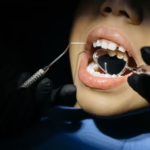
Today we will be talking about tooth infections and their potential connection to strep throat. A tooth infection, also known as a dental abscess, occurs when bacteria enter the inner portion of the tooth, often due to decay, injury, or previous dental work. This infection can cause severe pain, swelling, and even fever. The infection doesn’t stay localized in the mouth; it can spread to surrounding tissues, and in some cases, may have systemic implications, potentially affecting the throat and even leading to serious complications such as strep throat. Strep throat is a contagious bacterial infection characterized by inflammation of the throat, causing symptoms like severe sore throat, fever, and swollen lymph nodes. Understanding the link between these two conditions is crucial for effective treatment and management. This blog post will explore various aspects of tooth infections and their potential correlation with strep throat.
1. The Anatomy of Dental Infections
The anatomy associated with dental infections primarily involves the tooth structure, gums, and facial tissues. The tooth consists of several layers: the enamel (outer layer), dentin (middle layer), and pulp (inner layer). When bacteria infiltrate the pulp through a breach in these layers, they multiply rapidly, leading to inflammation and pus formation, creating an abscess. Symptoms include severe, localized pain, swelling of surrounding tissues, and sometimes fever. If untreated, the infection can spread beyond the tooth to the jaw, neck, and throat, causing serious complications.
2. How Tooth Infections Develop
Tooth infections can develop through several pathways. The most common route is through tooth decay, where bacteria infiltrate the hard surfaces of teeth, leading to cavities. Other causes include trauma, where a chipped or broken tooth exposes the inner pulp to bacteria, and periodontal disease, where infection in the gums can create pathways for bacteria to enter the tooth. Early signs include discomfort, sensitivity to hot or cold, and swelling. If not addressed, the continuation can lead to more severe pain and even systemic infections.
3. Recognizing the Symptoms of a Tooth Infection
Recognizing symptoms is crucial for timely intervention. Symptoms of a tooth infection may include sudden and intense tooth pain, sensitivity to temperature changes, swelling around the tooth or in the face, fever, and a bad taste in the mouth due to drainage of pus. Some patients may also experience difficulty in opening their mouth or swallowing, which might suggest a more extensive infection that could be affecting the throat area. If you encounter these symptoms, seeking dental care promptly is critical to prevent further complications.
4. Can a Tooth Infection Spread to the Throat?
Yes, a tooth infection can spread to the throat and cause health issues like strep throat. When bacteria from an infected tooth enter the bloodstream or neighboring tissues, they can cause a range of systemic effects. The throat is a particularly vulnerable area, as it is part of the oral cavity where the bacteria may migrate. Symptoms such as sore throat, difficulty swallowing, fever, and swollen lymph nodes may arise as a result. In extremely severe cases, the infection can lead to complications such as peritonsillar abscess or sepsis, which are serious medical emergencies requiring immediate attention.
5. The Connection Between Tooth Infections and Strep Throat
The link between tooth infections and strep throat resides in the pathogens involved. Strep throat is primarily caused by Streptococcus pyogenes, but a tooth infection might exacerbate the situation, especially if the body is already compromised by dental bacteria. While a dental abscess doesn’t cause strep throat directly, the presence of an infection in the mouth can lower the immune response; combined with exposure to strep bacteria, it increases susceptibility. This interconnectedness means maintaining oral health is vital for overall throat health.
6. Treatment Options for Tooth Infections
Treating a tooth infection usually involves dental intervention, antibiotics, and possibly drainage. Your dentist will assess the infection through X-rays and clinical evaluations to determine the extent of the issue. Treatment options may include root canal therapy to remove infected tissue, drainage of the abscess, or extraction of the infected tooth. Antibiotics are often prescribed to control the bacterial infection. It’s important to complete the full course of antibiotics to prevent recurrence. Pain management strategies may also be recommended during recovery.
7. Preventing Tooth Infections
Preventing tooth infections is predominantly about maintaining good oral hygiene. This includes brushing your teeth twice a day with fluoride toothpaste, flossing daily, and regular dental check-ups for professional cleanings and examinations. Additionally, a balanced diet low in sugar can help minimize the risk of decay. It’s also crucial to address any dental issues, such as fillings or gum disease, proactively to prevent infection. Good hydration and avoiding tobacco can also contribute to oral health.
8. The Importance of Regular Dental Check-Ups
Regular dental check-ups play an essential role in maintaining oral health. During these visits, your dentist can detect problems early, such as cavities, gum disease, and any signs of infections. Early intervention can prevent small issues from escalating into severe infections. These routine appointments also allow for professional cleaning, removing plaque and tartar that daily brushing may miss. Scheduling check-ups every six months can significantly reduce the chances of developing severe dental infections and associated complications.
9. The Role of Antibiotics in Treating Infections
Antibiotics are a cornerstone of treatment for both tooth infections and secondary infections like strep throat. In the case of a dental abscess, antibiotics help eliminate the bacteria causing the infection. They are often prescribed alongside other treatments, such as drainage. It’s essential to follow the prescribed course and attend follow-up appointments to ensure the infection has been fully resolved. However, antibiotics should not be overused, as this can lead to antibiotic resistance, making future infections harder to treat.
10. Lifestyle Changes for Better Oral and Throat Health
Lifestyle changes can greatly affect both oral and throat health. Incorporating a nutritious diet rich in vitamins and minerals can strengthen the immune system, helping fight off infections effectively. Limiting sugary snacks and beverages diminishes the chances of developing tooth decay. Staying well-hydrated supports saliva flow, which helps cleanse the mouth and neutralizes harmful bacteria. Additionally, practicing stress management techniques can reduce the likelihood of oral health issues, as stress may contribute to habits like teeth grinding, which can damage teeth and lead to infections.
In conclusion, understanding the relationship between tooth infections and strep throat is essential for maintaining good health. While tooth infections can contribute to throat issues, effective prevention, prompt treatment, and maintaining good oral hygiene practices are key to avoiding complications. Being aware of the symptoms, not only for tooth infections but also for strep throat, is crucial in seeking appropriate medical care. If you experience signs of a dental infection, such as significant pain or swelling, consult your dentist immediately. Remember, oral health and overall health are deeply intertwined, and taking proactive steps can help keep you safe from infections.
Frequently Asked Questions
1. Can a tooth infection directly cause strep throat?
No, a tooth infection does not directly cause strep throat, but it can create conditions in the body that may increase susceptibility to infections, including strep throat.
2. What symptoms indicate a tooth infection?
Signs of a tooth infection include severe toothache, swelling around the tooth, fever, sensitivity to temperature, and bad taste in the mouth.
3. How are tooth infections diagnosed?
Tooth infections are diagnosed through clinical examination, symptom assessment, and dental X-rays which reveal the extent of decay or infection.
4. Is it possible for a tooth infection to spread to other body parts?
Yes, if not treated promptly, a tooth infection can spread to other areas, including the jaw, neck, and even the bloodstream.
5. What should I do if I think I have a tooth infection?
If you suspect a tooth infection, it is important to contact your dentist as soon as possible for evaluation and appropriate treatment.
Further Reading
3.5 tog sleeping bag temperature guide
What Type of Psychotherapy Is Best for Anxiety?