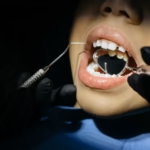
Today we will be talking about **failed root canal** and **sinus infections**. A root canal is a dental procedure that is used to treat infection at the center of a tooth. The interior of a tooth contains a soft tissue called the dental pulp, which can become infected due to decay or injury. When a root canal fails, it means that the procedure did not completely eliminate the infection or that a new infection has occurred. This can lead to persistent pain and swelling, and in some cases, may even result in a sinus infection. This happens due to the proximity of the upper teeth roots to the sinus cavities, potentially resulting in discomfort and other complications in the sinus area after a failed root canal procedure. Understanding the connection between dental health and sinus infections is crucial for maintaining overall health. In this article, we will explore the nuances of failed root canals and their link to sinus infections in depth.
What is a Failed Root Canal?
A failed root canal occurs when the initial procedure does not successfully eliminate the infection in the tooth’s root. This can lead to various symptoms, including persistent pain, gum swelling, and a new abscess formation. The primary goal of a root canal is to preserve the tooth and eliminate infection. However, several factors can contribute to a failure. These include anatomical complexities of the tooth that may not be detected during the initial X-ray, or perhaps some dental pulp remains untouched. In some cases, the outer sealing of the tooth can break down over time, allowing new bacteria to infiltrate the area. Consequently, a root canal that was successful at one point can become problematic again, leading to pain and complications that affect the surrounding sinus cavities.
Symptoms of a Failed Root Canal
Recognizing the symptoms of a failed root canal is essential for timely treatment. Common indicators include severe pain around the tooth, swelling of the gums, or a persistent bad taste in the mouth. Additionally, you may experience increased sensitivity to hot or cold temperatures, even long after the procedure was performed. If untreated, these symptoms can escalate and lead to infection spreading to surrounding areas, including sinuses, causing potential sinusitis. Sometimes, a dull ache in the upper jaw may be mistaken for sinus pressure, thereby complicating the condition. Being aware of these indications helps in seeking the appropriate dental care promptly.
Connection Between Root Canals and Sinus Infections
The proximity of upper molars to the maxillary sinuses means that any issues such as infection or inflammation from dental problems can easily spread to the sinus cavity. The roots of upper teeth might protrude into the sinus area. So, when there’s a failed root canal, bacteria from the infected tooth can migrate into the sinuses, leading to sinus infections. Symptoms of sinus infection may include nasal congestion, facial pain, and headaches. This connection underscores the importance of maintaining good dental health to prevent complications that affect not just the teeth but also sinus cavities.
Risk Factors for Failed Root Canals
Several risk factors can contribute to the failure of root canal treatment. Factors include complex root canal anatomy, delayed treatment after symptoms have appeared, and pre-existing health issues such as diabetes or weakened immune response. Additionally, having a tooth that has undergone multiple treatments speaks to a generally challenging case. Poor oral hygiene can also exacerbate these conditions since bacteria can flourish if not properly managed. Finally, lifestyle choices like smoking may hinder healing and reduce the success rate of initially performed root canals.
Treatment Options for Failed Root Canals
When a root canal fails, there are several treatment options available. Endodontic retreatment involves re-opening the tooth, cleaning out the infection, and sealing it once again. This method is typically successful if done correctly. In some instances where retreatment fails or is inadvisable, an apicoectomy may be performed. This surgical procedure involves removing the tip of the root along with any surrounding infected tissue. For severely damaged teeth, extraction may be the only viable option, followed by potential replacement methods, like dental implants. Addressing a failed root canal efficiently is essential to prevent further complications, including sinus infections. Therefore, staying in touch with a qualified dental specialist can help navigate the best course of action.
Prevention of Sinus Infections after Root Canal Treatment
While it may not be possible to eliminate the risk of developing sinus infections after root canal treatment entirely, certain proactive measures can minimize that risk. First and foremost, maintain good oral hygiene through regular brushing and flossing, in addition to routine dental check-ups. Avoiding tobacco use and attending follow-up appointments can play a crucial role in diagnosing complications early, thus preventing further issues involving the sinuses. Being cautious about the signs of both dental and sinus issues can help ensure swift action is taken, promoting better overall health.
Alternative Therapies and Home Remedies
Maintaining oral and sinus health may involve exploring alternative therapies or home remedies. Natural anti-inflammatory agents like saltwater rinses can help reduce symptoms of both gum infections and sinus issues. Additionally, consuming probiotics may strengthen your immune system, potentially aiding in preventing future infections. Herbal teas that emphasize inflammation reduction, such as ginger or turmeric, may also provide relief. Nasal irrigation techniques, using saline solutions, can help clear nasal passages, aiding in alleviating sinus pressure. Always consult with healthcare providers before embarking on alternative treatments to ensure they align with conventional recommendations.
Consulting Your Dentist for Further Care
Your dentist plays a crucial role in managing dental health and subsequent issues related to failed root canals and sinus concerns. Regular visits allow for early detection and treatment of potential complications. Discuss any symptoms you’re experiencing with your dentist and do not hesitate to ask questions about treatment options. Additionally, dentists may recommend collaborating with medical professionals such as ENT specialists if sinus-related symptoms arise. Engaging in an open dialogue with your healthcare providers fosters an integrated approach to health management, focusing on treating both dental and systemic concerns efficiently.
Importance of Post-treatment Care
Post-treatment care is vital for ensuring the success of a root canal and mitigating the risk of sinus infections. Following dental procedures, it’s important to adhere to your dentist’s aftercare instructions meticulously. This may include dietary restrictions, prescribed medication adherence, and follow-up appointments for check-ups. Engaging in good oral hygiene post-treatment is equally important in preventing any further complications. Additionally, listening to your body and recognizing symptoms early can help you seek care before conditions escalate, resulting in a better prognosis and reducing the chances of a sinus infection due to dental origins.
Regular Dental Check-ups
Regular dental check-ups function as a preventive measure against both dental complications and sinus infections. These appointments provide your dentist with the opportunity to assess your oral health, identify potential issues early, and implement effective treatment plans. Aim for dental visits at least biannually, or more frequently if your dentist recommends it. Consistent evaluations can significantly reduce the risk of failure of root canal treatments and detect any adverse impacts on your sinuses before they develop into significant problems.
Conclusion
In summary, understanding the relationship between failed root canals and sinus infections is critical for effective oral and overall health management. A failed root canal doesn’t merely signal a dental issue; it can lead to more extensive complications, such as sinus infections. Identifying symptoms early and maintaining good dental hygiene can go a long way in preventing adverse outcomes. The risk factors associated with failed root canals, including complex anatomical structures and pre-existing health conditions, highlight the necessity for personalized dental care. Furthermore, understanding treatment options allows individuals to make informed decisions about their dental health. It’s essential to focus on preventive measures and regular check-ups to minimize risk and ensure successful treatment outcomes. Lastly, consulting with dental professionals for ongoing care and exploring alternative remedies can enhance recovery and overall well-being, preventing recurrence of such conditions in the future. Awareness of this connection and proactive health management can safeguard against complications that may arise from seemingly localized dental issues.
Frequently Asked Questions
1. What are the signs that my root canal has failed?
Common signs include persistent pain, swelling in the gums, and bad breath—also, if you notice a recurring abscess or pus discharge from the gums, these are indicators of a potential failure.
2. Can a failed root canal lead to serious health complications?
Yes, if left untreated, a failed root canal can lead to infections spreading to surrounding tissues, including the sinuses, which can result in sinusitis and other systemic complications.
3. How is a failed root canal treated?
Treatment options include endodontic retreatment, apicoectomy, or in severe cases, extraction of the affected tooth.
4. What can I do to prevent sinus infections after a root canal?
Maintain good oral hygiene, avoid tobacco, and keep up with regular dental check-ups to detect any issues early on.
5. Are there alternative remedies I can use for sinus discomfort after dental procedures?
Natural remedies such as saline nasal rinses, herbal teas, and probiotics can help alleviate symptoms, but always consult your dentist or healthcare provider before starting any new treatments.
Further Reading
3.5 tog sleeping bag temperature guide
What Type of Psychotherapy Is Best for Anxiety?