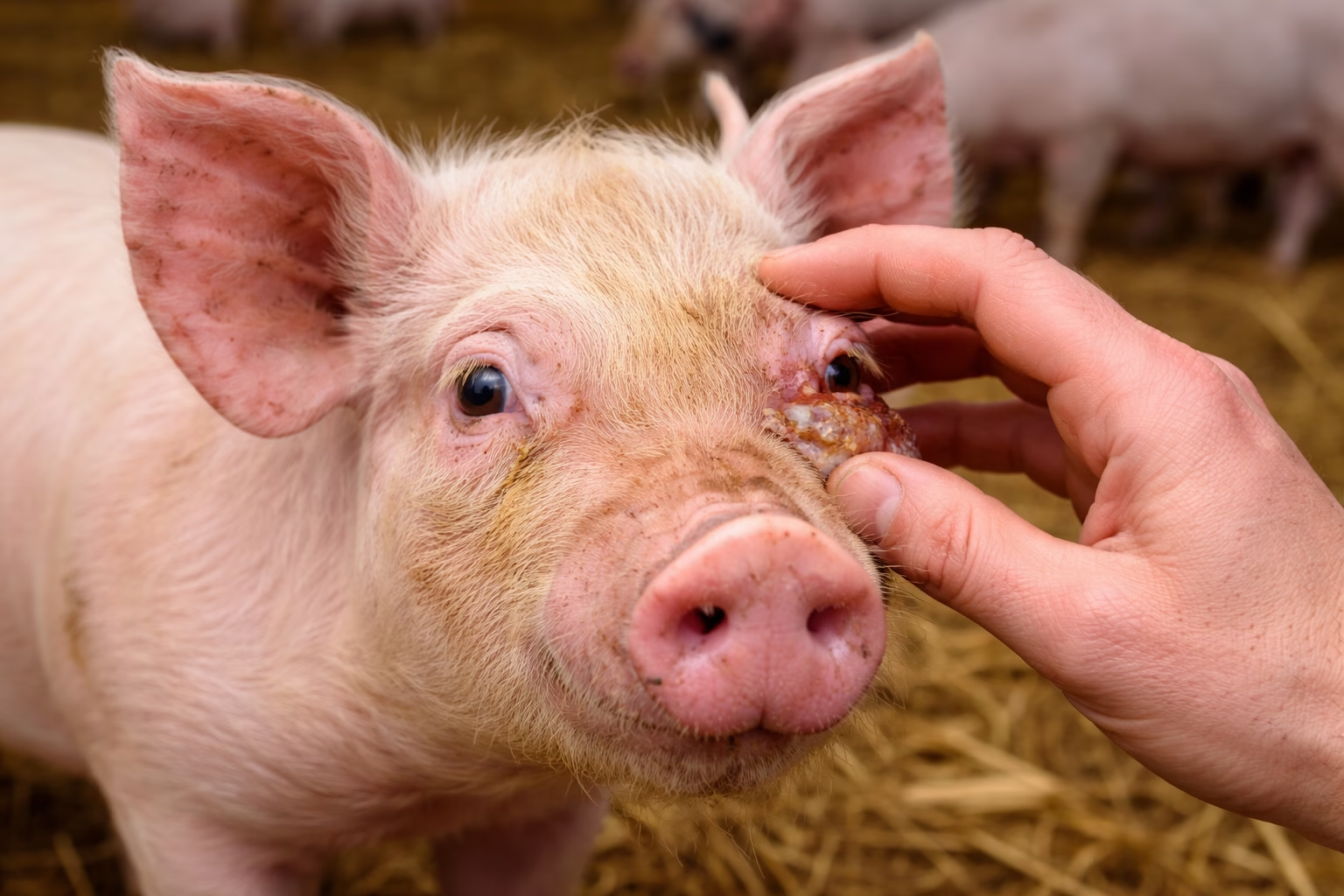
Today we will be talking about eye infections in pigs. An eye infection, also known as conjunctivitis, is inflammation of the tissues surrounding the eye, leading to symptoms such as redness, swelling, discharge, and pain. In pigs, eye infections can be caused by a variety of factors including bacteria, viruses, parasites, injuries, or environmental irritants. Left untreated, these infections can have serious consequences, affecting the pig’s vision and overall health. It is important for farmers and veterinary professionals to recognize the symptoms early and take appropriate measures to treat and prevent eye infections in pigs.
Understanding Eye Infections in Pigs
Eye infections in pigs can present a serious health concern. Young piglets, especially, are susceptible due to their developing immune systems, but older pigs can also be affected. Symptoms of eye infections may initially be mild and include tearing and squinting, but can quickly escalate to more severe signs such as swelling of the eyelids, discharge ranging from clear to purulent, and changes in behavior due to discomfort. Environmental factors such as dusty housing, excessive moisture, and inadequate ventilation can increase the likelihood of infections. Understanding the underlying causes can help farmers implement effective management practices to reduce the risk of eye infections.
Symptoms of Eye Infections
The first step in addressing eye infections in pigs is recognizing the symptoms. Typical signs include:
- Redness and Inflammation: Affected eyes often appear red and swollen due to increased blood flow and inflammatory response.
- Discharge: Pus or watery discharge from one or both eyes indicates infection.
- Squinting or Tearing: Pigs may squint or have excessive tearing due to pain or irritation.
- Behavioral Changes: Infected pigs may exhibit signs of discomfort, such as rubbing their eyes or becoming less active.
Recognizing these symptoms early is key to preventing the infection from worsening. If you observe any of these signs, it is essential to take prompt action.
Causes of Eye Infections in Pigs
Eye infections in pigs can be attributed to a range of causes. The most common include:
- Bacterial Infections: Bacteria such as Mycoplasma or Pasteurella can infiltrate the eye and cause acute conjunctivitis.
- Viral Infections: Viruses like Porcine Parvovirus can lead to secondary eye infections.
- Environmental Irritants: Dust, smoke, and chemicals can irritate the eye, leading to infections.
- Trauma: Physical injuries to the eye can introduce pathogens, resulting in infection.
Understanding these causes allows for better preventative measures. Ensure pigs are kept in clean, well-ventilated environments to minimize their exposure to potential irritants and pathogens.
Preventing Eye Infections
Preventing eye infections is critical in swine management. Here are several strategies:
- Maintain Cleanliness: Regular cleaning of pens, feeding areas, and water sources helps reduce exposure to bacteria and irritants.
- Proper Ventilation: Good airflow minimizes moisture and dust levels, which can lead to infections.
- Regular Health Checks: Monitor pigs consistently for any signs of eye problems for early intervention.
- Nutrition: A balanced diet supports the immune system, helping pigs to resist infections.
Implementing these measures can significantly reduce the likelihood of eye infections in your herd.
Treatment Options for Eye Infections
Treating eye infections in pigs involves several approaches, depending on the severity and cause of the infection:
- Clean the Eyes: Gently cleaning the eye with saline or sterile water can help remove discharge and soothe irritation.
- Topical Treatments: Antibacterial eye drops or ointments may be prescribed by veterinarians to treat bacterial infections.
- Antibiotics: Systemic antibiotics could be needed for more severe infections; only use antibiotics prescribed by a veterinarian.
- Anti-inflammatory Medications: These can help reduce swelling and pain associated with eye infections.
It’s important to follow through with treatment as per veterinary advice to ensure recovery and prevent complications.
When to Consult a Veterinarian
If you observe any symptoms of eye infection in pigs, it’s advisable to consult a veterinarian without delay, particularly in the following scenarios:
- Severe Symptoms: If the eyes are excessively swollen or if there is significant pus or blood.
- Multiple Pigs Affected: If several pigs show symptoms, it may indicate an outbreak that requires professional intervention.
- Unresponsive to Treatment: If initial treatments do not result in improvement within a few days, reevaluation is necessary.
A veterinarian can provide a proper diagnosis, recommend specific treatments, and ensure appropriate care is given to prevent further infection spread.
Aftercare for Infected Eyes
After treating an eye infection, proper aftercare is essential to ensure full recovery:
- Regular Monitoring: Keep an eye on the pig for any signs of recurring symptoms.
- Isolate Infected Animals: To prevent spreading the infection to healthy pigs, isolated care can be beneficial.
- Follow-Up Vet Visits: If prescribed by a vet, return for follow-up appointments to confirm resolution of the infection.
Managing recovery effectively helps reduce the risk of complications and supports optimal pig health.
Impacts of Eye Infections on Pig Health and Production
Untreated or poorly managed eye infections can lead to various complications such as:
- Impaired Vision: Chronic infections can result in lasting damage to the eye and vision impairment.
- Decline in Growth and Production: Infected pigs may eat less and therefore grow more slowly, impacting overall production efficiency.
- Increased Veterinary Costs: Long-term treatments can accumulate costs that significantly impact the profitability of pig farming.
Therefore, effective management of eye infections can have a direct effect on overall herd health and production outcomes.
Frequently Asked Questions
Here are some common questions about eye infections in pigs:
- How do I know if my pig has an eye infection?
Look for symptoms like redness, excessive tearing, and discharge. If you notice these signs, it may be time to consult a veterinarian. - Can eye infections in pigs be contagious?
Yes, depending on the cause, some eye infections can spread between pigs, making early detection and isolation crucial. - What is the best home remedy for treating mild eye infections?
Gently cleaning the affected eye with saline water can provide relief, but consult a vet for proper diagnosis and treatment. - How long does an eye infection typically take to heal?
The duration of healing can vary based on severity and treatment but expect a couple of days to several weeks for full recovery with proper care. - What are the long-term effects of untreated eye infections?
Untreated infections can lead to chronic eye problems, impaired vision, and negatively affect the pig’s overall health and production capacity.
In conclusion, eye infections in pigs demand immediate attention for effective management and treatment. Recognizing symptoms early, understanding causes, and implementing preventive measures are critical steps to ensure a healthy herd. Treatments range from simple cleaning to more complex medical interventions, depending on the severity of the condition. Early veterinary consultation is essential, especially when symptoms worsen. Following thorough aftercare can promote recovery, while effective management of infections positively impacts the health and productivity of pigs. Being vigilant and proactive can go a long way in maintaining optimal pig health, which in turn supports the success of the farming operation.
Further Reading
3.5 tog sleeping bag temperature guide
What Type of Psychotherapy Is Best for Anxiety?