





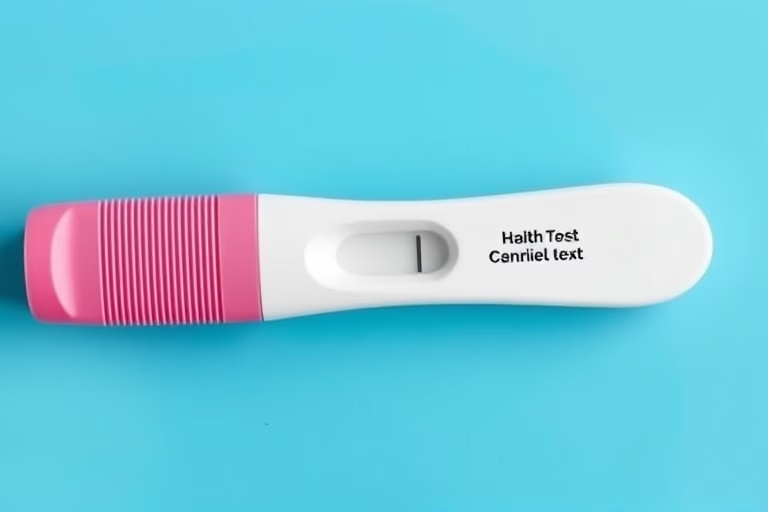
Understanding Implantation Bleeding
After implantation bleeding how long for positive test is a question many trying to conceive may ask. To understand this, it’s essential first to comprehend what implantation bleeding is. Implantation bleeding occurs when a fertilized egg attaches itself to the lining of the uterus. This event usually happens about six to twelve days after conception. Some women may experience light spotting or bleeding, which can be confused with a regular period. Recognizing this bleeding is key in identifying early pregnancy signs.
The actual timing between implantation bleeding and a positive pregnancy test is crucial. A pregnancy test detects the hormone hCG (human chorionic gonadotropin), which begins to be produced after implantation. This process makes many wonder when they can expect a positive result after experiencing implantation bleeding. Factors such as the sensitivity of the pregnancy test used and individual hormone levels play a significant role in determining the accuracy and timing of test results. Understanding these aspects will help in managing expectations and conducting tests at the appropriate times.
What to Expect During Implantation Bleeding
Understanding what happens during implantation bleeding can clarify many doubts. Women may experience light spotting that could last from a few hours to several days. The color often ranges from light pink to dark brown, distinguishing it from the typical bright red menstrual flow. This bleeding usually does not increase in flow, unlike a regular period, and is often accompanied by other early pregnancy signs such as mild cramping or breast tenderness.
Many women ask if they can start testing for pregnancy right after this bleeding. The timing is crucial. The body needs time to produce enough hCG for a pregnancy test to yield positive results. Thus, testing too early may result in a false negative even if pregnancy has occurred.
Another factor to consider is individual variation. Each woman’s cycle and hormone levels differ, making the experience of implantation bleeding and the timing of a positive test unique. It’s essential to listen to one’s body and understand personal signs and symptoms.
Timing for Pregnancy Tests
After experiencing implantation bleeding, timing is everything when considering a positive pregnancy test. It’s generally recommended to wait at least a few days after the bleeding has ceased before taking a test. Most pregnancy tests can detect hCG around the time of the missed period, approximately two weeks after ovulation.
However, for those who cannot wait, some more sensitive tests can detect lower levels of hCG and may provide results a few days earlier. Understanding the timeline of hCG production after implantation is key: it typically doubles every two to three days. Therefore, waiting a bit after the first positive test may also provide a clearer indication of pregnancy health.
Conducting the test too early can lead to unnecessary stress and disappointment if results come back negative while the pregnancy is indeed ongoing. Therefore, being patient and timing the test correctly holds significant importance.
Common Signs and Symptoms of Early Pregnancy
Recognizing early pregnancy signs can help in understanding what to expect after implantation bleeding. Common symptoms include missed periods, nausea, breast tenderness, fatigue, and frequent urination.
Nausea, often termed “morning sickness,” can begin as early as two weeks after conception. It varies among women, with some experiencing it more intensely than others. Breast tenderness is another hallmark sign, as hormonal changes prepare the body for a potential pregnancy.
Fatigue is common due to hormonal fluctuations. In early pregnancy, the body is working hard to support the developing fetus, leading to a feeling of exhaustion. Frequent urination also occurs as the body begins to adjust its hormonal levels and blood volume increases.
Understanding and recognizing these signs can help women identify their pregnancy status, alongside monitoring for implantation bleeding and the timing for testing.
The Importance of Understanding hCG Levels
The hormone hCG plays a crucial role in pregnancy detection. Produced by the placenta shortly after implantation, hCG is the hormone that pregnancy tests detect. It generally rises rapidly in early pregnancy, doubling every 48 to 72 hours.
Understanding hCG levels is vital for those tracking their pregnancy status. Different tests have varying sensitivities to hCG, meaning some may register pregnancy symptoms sooner than others. Recognizing this can help in choosing the right test for accurate results.
For those who have experienced implantation bleeding, monitoring hCG is particularly important. If a pregnancy test comes back negative but symptoms persist, it may be wise to consult a healthcare professional. This is especially true if there are concerns about potential ectopic pregnancies, which can lead to health issues if not addressed promptly.
When to Consult a Doctor
After implantation bleeding, knowing when to consult a doctor is essential for women trying to conceive. If the bleeding is accompanied by heavy cramping or pain, or if there’s excessive bleeding, medical attention should be sought immediately. This can indicate complications or that the pregnancy may not be viable.
Additionally, if, after a missed period, pregnancy tests continue to provide negative results yet symptoms persist, it’s wise to schedule an appointment. Consulting a healthcare provider can provide clarity and peace of mind, ensuring that any potential issues are handled promptly.
Regular check-ups with a healthcare provider are paramount for overall health. This is particularly true during early pregnancy, where monitoring both physical and emotional health is necessary for ensuring a healthy experience.
Emotional Factors During Early Pregnancy Testing
The emotional journey of trying to conceive can be filled with hope, anticipation, and sometimes anxiety. It’s common to feel a range of emotions after experiencing implantation bleeding. Understanding the hormonal changes happening in the body can help normalize feelings during this time.
Anxiety often stems from the uncertainty of waiting for test results after implantation bleeding. It’s essential to engage in self-care practices. Activities such as meditation, gentle exercise, or seeking support from friends or groups can alleviate some of the emotional strain.
Keeping a journal of symptoms, feelings, and test results can also provide a clearer picture and help manage expectations. Recognizing that each journey to parenthood is unique can allow women to process their feelings healthily and constructively.
Final Thoughts
After implantation bleeding how long for a positive test is an important question for many women. Understanding what implantation bleeding is and the timing surrounding it can provide clarity on when to expect to see those two pink lines. Recognizing common signs and symptoms, alongside knowing hCG levels and consulting with health professionals, plays a significant role in this journey.
The timing of pregnancy tests is crucial, as testing too early can lead to unnecessary anxiety and disappointment. Patience and understanding personal cycles can significantly improve the experience. Each woman’s journey towards pregnancy is unique, and varying factors can influence the timing of positive pregnancy tests. Paying attention to one’s body, recognizing the signs of early pregnancy, and staying informed about hormonal changes is vital.
Ultimately, waiting for the right time to test, listening to one’s body, and consulting with healthcare providers offers the best path to understanding one’s body during this critical phase. The emotional aspects of this experience are equally important, and engaging in healthy coping strategies can make a significant difference.
Frequently Asked Questions
A: Implantation bleeding is light spotting that occurs when a fertilized egg attaches to the uterine lining, usually between 6 to 12 days after conception.
A: It can last from a few hours to several days and is typically lighter than a regular period.
A: It’s generally best to wait at least a few days after the bleeding has stopped to ensure accurate results.
A: Some sensitive tests may detect hCG levels soon after implantation, but waiting a few days will yield more accurate results.
A: If symptoms persist despite negative results, consider consulting a healthcare provider for further evaluation.
Further Reading
What Type of Psychotherapy Is Best for Anxiety?