





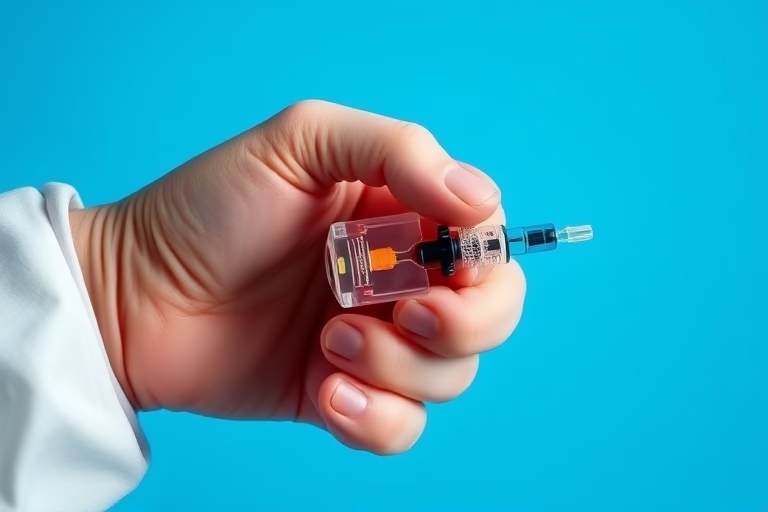
We will be talking about the auto injector for IVF. This device has gained considerable attention in recent years as a vital tool in assisted reproductive technologies. An auto injector is specifically designed for administering medications, primarily hormones, which are essential in the IVF process. These devices automate the injection process, making it easier for patients to self-administer the necessary drugs, thus improving compliance and reducing the stress associated with injections. With an auto injector, individuals undergoing IVF treatments can manage their medication regime with minimal discomfort and with greater precision, ensuring optimal conditions for embryo development and increasing the chance of successful pregnancy. As IVF becomes increasingly common, understanding the role of auto injectors will be beneficial for both patients and healthcare professionals.
Understanding Auto Injectors for IVF
An auto injector for IVF is a medical device that allows individuals to self-administer injections easily and effectively. Traditionally, hormone injections were administered manually, requiring precise technique and often leading to anxiety among patients. The auto injector simplifies this process significantly. It usually consists of a pre-filled cartridge containing the medication and a delivery mechanism that injects the hormone at a predetermined dosage. Auto injectors are particularly useful in IVF as they help reduce the fear often associated with injections, making it easier for patients to adhere to their treatment protocols. In essence, auto injectors enhance the experience of individuals undergoing fertility treatments by making medication administration a more straightforward and less painful procedure.
Benefits of Using Auto Injectors in IVF
The use of auto injectors in IVF offers numerous benefits, making it a popular choice among fertility clinics and patients alike. Some key advantages include:
- Ease of Use: Auto injectors are designed to be user-friendly, allowing patients to administer medications quickly without special training.
- Optimal Dosage Delivery: The devices ensure accurate dosing, which is crucial for the success of the IVF process.
- Reduced Pain: With a well-designed needle and mechanism, auto injectors can minimize discomfort compared to traditional needles.
- Increased Compliance: Patients are more likely to stick to their medication schedule, improving chances of successful IVF outcomes.
- Convenience: The portability of auto injectors allows patients to inject their hormones anywhere, which is beneficial for those with busy lifestyles.
These factors contribute to a more positive treatment experience, likely leading to higher success rates for IVF procedures.
Different Types of Auto Injectors Used in IVF
Auto injectors come in various designs, tailored to deliver different kinds of medications effectively. Common types used in IVF include:
- Pre-filled Auto Injectors: These are filled with the necessary medications, reducing preparation time.
- Auto-Injectors with Adjustable Doses: Some models allow users to adjust the dose according to their specific needs.
- Auto Injectors with Integrated Safety Features: Modern designs often include safety mechanisms that prevent accidental needles and ensure that the injector is only activated when ready.
Choosing the right type of auto injector can depend on factors like the specific medications being prescribed, the patient’s comfort level, and insurance coverage.
How to Use an Auto Injector for IVF
Proper usage of an auto injector is vital for ensuring effective medication delivery during IVF treatments. Here are the steps generally involved in using an auto injector:
- Preparation: Gather all necessary supplies, including the auto injector and alcohol wipes.
- Clean the Injection Site: Use an alcohol wipe to clean the area of skin where the injection will be administered.
- Insert the Auto Injector: Press the injector firmly against the skin, ensuring good contact.
- Inject the Medication: Press the activation button or mechanism. You will hear a click or feel the injector activate.
- Dispose of the Injector: Safely dispose of the used auto injector according to local regulations, typically in a sharps container.
Reading the device’s manual and receiving guidance from healthcare providers can enhance user confidence and ensure safety during injections.
Potential Side Effects and Drawbacks
While auto injectors provide several advantages, it is essential to be aware of potential side effects and drawbacks. Common issues may include:
- Injection Site Reactions: Patients might experience irritation, swelling, or bruising at the injection site.
- Medication Errors: Although rare, incorrect dosages can occur if the injector is not used correctly.
- Cost Considerations: Auto injectors can be more expensive than traditional syringes, which may deter some patients.
- Device Malfunctions: There’s a risk of mechanical failure, though most reputable brands have rigorous quality checks.
Patients should consult with their healthcare providers regarding any side effects and discuss whether an auto injector is the best choice for their IVF protocol.
Patient Experiences and Testimonials
Many patients have shared their experiences regarding the use of auto injectors for IVF. Positive testimonials often highlight:
- Ease of Use: Many users appreciate how user-friendly these devices are, often describing them as “life-changing.”
- Reduced Anxiety: Auto injectors eliminate the fear associated with traditional needles, which can help patients remain calmer throughout their treatment journey.
- Convenience: Patients often mention the ability to administer medication on the go, which fits well into their busy schedules.
- Increased Confidence: Over time, users report feeling empowered by self-administering their medication, which can boost their morale during IVF.
These testimonials provide insight into the real-world implications of using auto injectors, reinforcing their reputation as valuable tools for those embarking on IVF.
Cost and Insurance Coverage for Auto Injectors
The financial aspect of auto injectors can vary widely based on the type of device and the specific medications involved. Factors to consider include:
- Insurance Coverage: Some insurance plans may cover the cost of auto injectors and associated medications. It is essential to check with your provider.
- Cost per Injector: Prices can range from moderate to high depending on design features and brand reputation.
- Cost of Medication: The price of medications often plays a significant role in the overall expense of IVF, and auto injectors make adherence to dosages crucial.
Patients should work closely with their healthcare providers and insurance companies to understand their financial responsibilities and potential out-of-pocket costs associated with auto injectors for IVF.
Final Thoughts
The auto injector for IVF represents a significant advancement in assisted reproductive technology. These devices alleviate the stress surrounding hormone administration, improve compliance, and ultimately strive to enhance the chances of a successful pregnancy. By allowing patients to take control of their medication schedules with greater ease, auto injectors empower individuals on their fertility journey. However, it is essential to be informed about proper usage and potential side effects, as this knowledge can lead to better treatment outcomes.
In conclusion, auto injectors simplify the complex world of IVF, allowing patients to focus more on their hopes for a family and less on the technicalities of medication administration. When combined with strong medical support, these tools can play a vital role in the quest for parenthood.
Frequently Asked Questions:
- What is an auto injector for IVF?
An auto injector is a device designed to help patients self-administer hormone injections needed during the IVF process conveniently and effectively. - Are auto injectors painful to use?
Most patients report that auto injectors are less painful compared to traditional needles, thanks to user-friendly designs and technology. - Can I adjust the dosage of medication in an auto injector?
Some auto injectors come with adjustable dosage features, but others have fixed doses. It’s best to consult your healthcare provider for specific recommendations. - How should I dispose of used auto injectors?
Used auto injectors should be disposed of in a sharps container or according to local regulations to prevent needle-stick injuries. - Do auto injectors require special storage?
Yes, medications in auto injectors should be stored according to instructions, often in a cool, dry place. Patients should consult the packaging for specific storage guidelines.
Further Reading
What Type of Psychotherapy Is Best for Anxiety?