





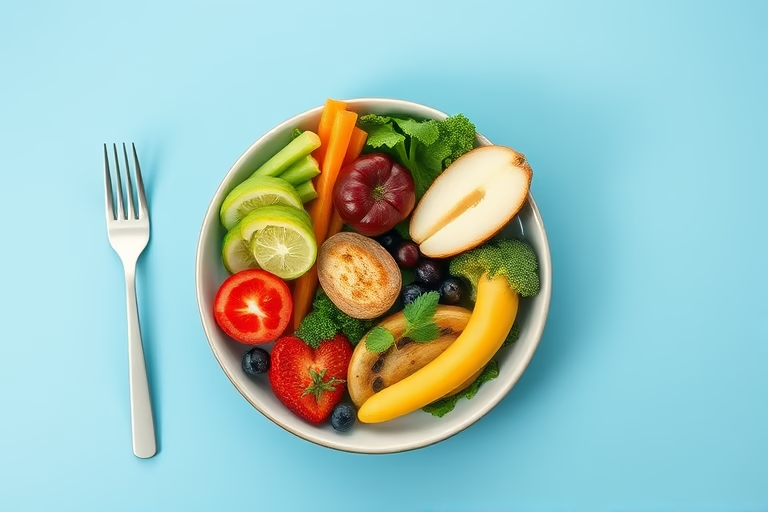
In this article, we will be discussing the best diet for IVF. This topic is critical for individuals or couples undergoing in vitro fertilization, as diet plays a significant role in reproductive health. A carefully structured diet can enhance the likelihood of a successful IVF outcome by promoting overall health, reducing inflammation, and providing essential nutrients that support fertility.
IVF, or in vitro fertilization, is a complex medical procedure where an egg is fertilized by sperm outside the body. This process involves multiple stages, including ovarian stimulation, egg retrieval, fertilization, and embryo transfer. With approximately 1 in 8 couples experiencing infertility, understanding the factors that can improve the chances of conception is essential. A balanced diet tailored for IVF can optimize the body’s environment for embryo implantation, support hormonal balance, and enhance the quality of eggs and sperm, ultimately contributing to the success of the procedure.
Understanding the Importance of Nutrition for IVF Success
When preparing for IVF, nutrition emerges as a vital component of overall strategy. Nutrients play a central role in a woman’s egg quality and a man’s sperm health. Research indicates that specific diets can positively influence fertility, improving both the chances of conception and the health of the baby.
Engaging in a healthy diet around IVF not only enhances reproductive health but also supports mental and emotional well-being during a sometimes stressful process.
Focus on a diet rich in whole foods, including fruits, vegetables, whole grains, and lean proteins. These foods are packed with vitamins and minerals that can help reduce oxidative stress and inflammation, both of which can negatively impact fertility. Avoiding processed foods, excessive sugar, and trans fats is equally essential, as these can interfere with hormonal balance and overall health.
The Role of Antioxidants in Fertility
Antioxidants are crucial for reducing oxidative stress, which can negatively affect egg and sperm health. Fruits and vegetables such as berries, leafy greens, and nuts are rich in antioxidants.
Research indicates that a diet high in antioxidants can improve the quality of oocytes (eggs) and sperm. Foods such as blueberries, spinach, and walnuts provide potent antioxidants like vitamin C and E, which boost the body’s ability to combat harmful free radicals.
Incorporating a variety of colorful produce into your meals not only enhances their visual appeal but also ensures a broad range of these beneficial nutrients. Aim to consume at least five servings of fruits and veggies daily for optimal reproductive health.
Healthy Fats and Fertility
Fats are an essential part of a balanced diet, especially for reproductive health. Emphasizing healthy fats can lead to improved fertility outcomes. Sources of healthy fats include avocados, olive oil, nuts, and fatty fish like salmon.
These fats support hormone production, which is crucial for ovulation and fertility in both women and men. Omega-3 fatty acids, in particular, are known for their anti-inflammatory properties and are linked to enhanced reproductive success. Aim for at least two servings of fatty fish each week while balancing your intake with omega-6 fatty acids.
Protein Sources Matters
When considering protein sources, quality is important. Plant-based proteins, such as legumes, nuts, and tofu, can be beneficial for IVF, while moderate consumption of lean meats such as chicken and turkey is also encouraged.
Research suggests that diets high in animal protein, especially red and processed meats, may be associated with infertility. A balanced approach that emphasizes plant-based proteins can be more beneficial and offers additional nutrients critical for reproductive health.
Variety is key; mixing different protein sources throughout the week ensures a balanced intake of essential amino acids vital for overall health.
The Impact of Whole Grains
Whole grains deliver essential nutrients and fiber, supporting digestive health and hormonal balance. They contain less sugar than refined grains, making them a better option for those preparing for IVF.
Whole grains such as quinoa, brown rice, and oats contribute to stable blood sugar levels, which can positively affect hormonal regulation. Maintaining consistent energy levels prevents hormonal spikes or crashes that could impact fertility.
Supplements That Can Aid IVF Success
While focusing on a balanced diet is crucial, certain supplements can also support IVF success. Consult your healthcare provider for tailored recommendations, but common supplements include folic acid, vitamin D, and omega-3 fatty acids.
Folic acid is known to reduce neural tube defects in babies and can enhance overall fertility. Ensuring adequate vitamin D levels is critical for reproductive function and possible improvements in embryo implantation rates.
The Role of Hydration
Staying well-hydrated is often overlooked, but water intake directly influences bodily functions, including those involved in reproduction. Adequate hydration is essential for maintaining the health of both the egg and sperm.
Drinking enough water helps thin cervical mucus, enhancing sperm transport and increasing the chances of conception. Aim to drink at least 8-10 cups of water daily, adjusting based on activity level and climate conditions.
Limiting Alcohol and Caffeine Consumption
Both alcohol and caffeine can affect fertility. High alcohol intake may disrupt hormonal balance, while excessive caffeine (over 200 mg daily) has been linked to decreased fertility. Limiting these substances can enhance the chances of successful conception during IVF.
Consider substituting caffeinated beverages with herbal teas or water to support overall health during the IVF process.
Stress Management and Its Importance
Stress can have a profound effect on overall health and fertility. Prioritizing stress management is crucial during the IVF process. Engage in activities such as yoga, meditation, and deep breathing exercises to enhance relaxation and well-being.
Incorporating daily mindfulness practices can help reduce anxiety and enable a positive mindset during the IVF journey, ultimately supporting better outcomes.
Final Thoughts
The journey through IVF can be challenging, but understanding the best diet for IVF can be immensely beneficial. Emphasizing a balanced diet rich in antioxidants, healthy fats, protein, whole grains, and adequate hydration is critical. Supporting nutritional needs can enhance the quality of eggs and sperm, reduce inflammation, and improve overall health, paving the way for successful conception.
Staying educated on supplements, rest, and stress management can provide additional support during this time. Making informed choices regarding diet and lifestyle can increase success rates and contribute to healthier outcomes for both mother and baby.
Frequently Asked Questions
Focus on antioxidants, healthy fats, lean proteins, and vitamins such as folic acid and vitamin D.
Yes, a well-balanced diet can improve reproductive health, egg and sperm quality, and overall wellness, enhancing your chances of success.
It’s advisable to limit processed foods, excess sugar, caffeine, and alcohol to support fertility.
Aim for at least 8-10 cups of water daily, adjusting for activity levels and personal needs.
Consider adopting a Mediterranean-style diet that focuses on whole foods, healthy fats, fruits, vegetables, and lean proteins.
Further Reading
What Type of Psychotherapy Is Best for Anxiety?