Key Takeaways
- Prioritize fiber-rich foods like fruits and vegetables to feed beneficial gut bacteria.
- Include probiotic-rich snacks such as plain yogurt or fermented foods to support microbiome diversity.
- Limit processed snacks high in sugar and unhealthy fats to prevent digestive imbalance.
- Manage stress and stay hydrated to improve overall digestive function and gut health.
Are you on the lookout for the best snacks for gut health? If so, you’re in the right place! It’s common to wonder about how what we eat can affect our digestive system, and snacks can play a surprisingly significant role in this journey. After all, our gut is home to trillions of bacteria that help digest food, produce vitamins, and even support our immune system. Finding tasty and nourishing snacks that promote gut health can make a big difference in how you feel overall.
Understanding what the best snacks for gut health are is about more than just choosing a snack at random; it’s about selecting foods rich in fiber, probiotics, and nutrients. Eating the right snacks can help maintain a healthy gut balance, which can, in turn, improve your digestion and overall well-being. In this article, we’ll explore why gut health is essential, what kinds of snacks to look for, and tips for making smart snack choices!
What Are Gut Health Snacks?
When we talk about gut health snacks, we’re referring to food items that support the digestive system’s balance and function. These snacks often include fiber-rich, fermented, or probiotic foods that help maintain a diverse gut microbiome. In simple words, they help keep our digestive system happy and functioning well!
Key terms related to gut health you’ll often hear include:
- Probiotics: Friendly bacteria that can improve gut health, often found in yogurt and fermented foods.
- Prebiotics: Foods that feed the good bacteria in your gut, typically found in fiber-rich foods like fruits and vegetables.
- Fiber: A type of carbohydrate that the body can’t digest, helping to keep the digestive system clean and moving smoothly.
Why Does Gut Health Matter?
Good gut health is essential for several reasons. One possible reason is that it can enhance our digestion and nutrient absorption. When our gut microbiome is well-balanced, we are more likely to break down food properly and absorb the vitamins and minerals our bodies need. Another common factor is the link between gut health and our immune system. Research suggests that a healthy gut can help fend off infections and diseases, while an unbalanced gut may lead to inflammation and other health issues.
It’s important to remember that everyone’s gut is different. Some people may find relief from digestive discomfort by eating certain foods, while others may need to avoid them. This uniqueness means we should pay attention to how specific snacks make us feel.
Common Causes of Gut Issues
Several factors can contribute to gut problems. Here are some major causes to consider:
1. Poor Diet
If we rely heavily on processed foods, sugary snacks, and refined carbohydrates, we may not be providing our gut with the nutrients it needs. These types of foods can lead to an unbalanced gut microbiome.
2. Lack of Fiber
Not getting enough fiber can slow down digestion and lead to constipation. When we don’t have enough fiber, it can be challenging for our gut bacteria to thrive.
3. Stress
Stress can impact gut health significantly. Some studies suggest that chronic stress can lead to gut inflammation and affect how our bodies digest food.
4. Medications
Certain medications, particularly antibiotics, can disrupt the balance of bacteria in our gut. While antibiotics are often necessary, it’s essential to consider how they may affect our digestive health.
Signs and Symptoms to Watch For
It’s vital to be aware of any signs that may indicate gut issues. Common symptoms of digestive trouble can include:
- Bloating or gas
- Constipation or diarrhea
- Indigestion or heartburn
- Unexplained fatigue or mood changes
Occasional symptoms like bloating after a meal can be normal, but if you’re experiencing persistent or worsening symptoms, it’s a good idea to reach out to a healthcare professional.
What Can Make Gut Health Worse?
There are several lifestyle and dietary factors that might contribute to or worsen gut issues. Here are a few:
- Poor hydration: Not drinking enough water can impede digestion.
- Inadequate sleep: Consistently not getting enough rest can lead to increased stress and affect gut health.
- High-stress levels: Chronic stress can increase gut inflammation.
- Poor eating habits: Eating quickly or while distracted can harm digestion.
Foods and Drinks That Support Gut Health
So, what’s good for your gut? Here’s a quick list of tasty snacks that can support gut health:
- Yogurt: A fantastic source of probiotics; just choose ones with no added sugars!
- Fruit like bananas and apples: High in fiber and good for gut bacteria.
- Vegetables, especially leafy greens: Full of prebiotics that support digestion.
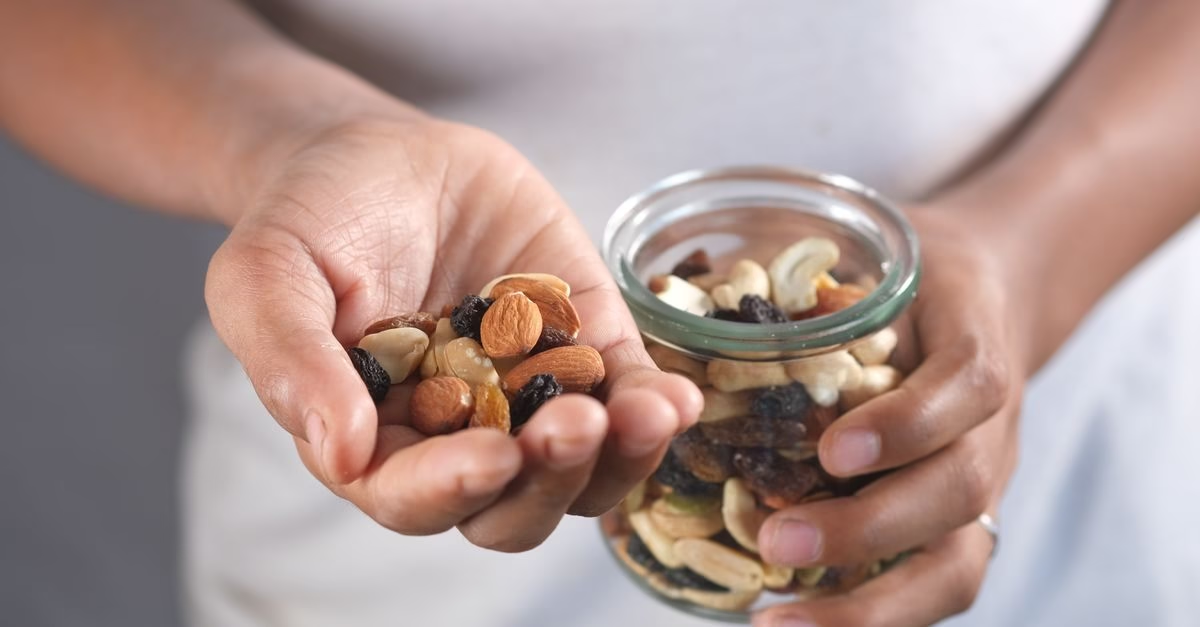
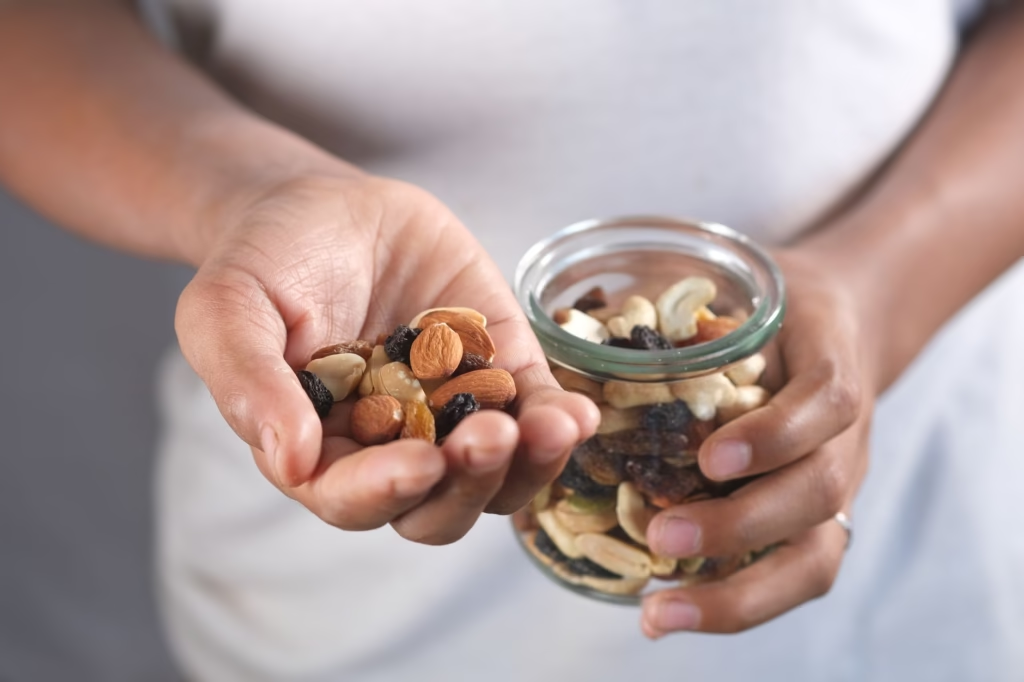
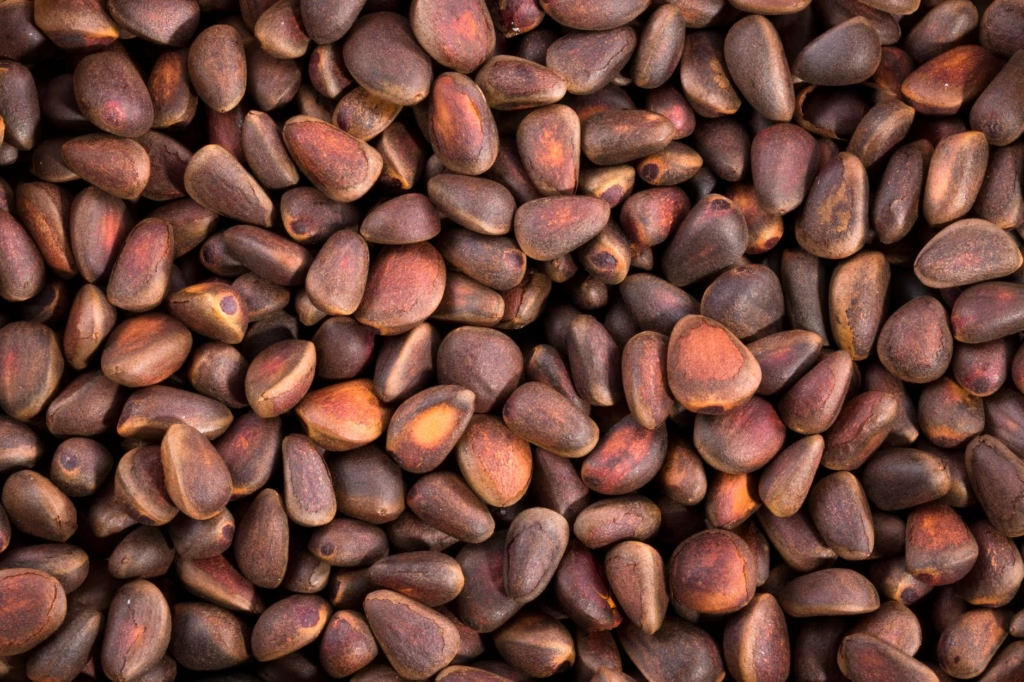
- Nuts and seeds: Rich in fiber and healthy fats, helping to maintain gut health.
- Fermented foods: Think kimchi, sauerkraut, and kefir for added probiotics!
What Can We Do?
To support gut health through snacks, here are some practical steps you can take:
- Incorporate more fiber: Aim for snacks like whole fruit, raw veggies, or whole-grain crackers.
- Try dairy or plant-based probiotic snacks: Look for yogurt or dairy alternatives with added probiotics.
- Stay hydrated: Drink plenty of water throughout the day to support digestion.
- Mind your eating habits: Try to eat slowly and enjoy your snacks without distractions.
When Should You See a Doctor?
It’s essential to consult a healthcare professional if you notice any concerning symptoms, such as:
- Severe or persistent abdominal pain
- Blood in your stool
- Unexplained weight loss
- Persistent vomiting
- Difficulty swallowing
Always trust your instincts and don’t hesitate to seek professional advice when necessary.
Frequently Asked Questions
Why am I always searching for the best snacks for gut health?
If you’re curious about gut health snacks, it might be due to digestive discomfort or simply the desire to improve your overall health. Nutrition plays a prominent role in how our bodies function.
Can food cause gut issues?
Yes, certain foods may trigger digestive problems in some individuals, especially if they contain ingredients that are hard to digest or are high in additives.
When should I worry about my gut health?
If digestive symptoms persist for several days or worsen over time, it may be time to consult a healthcare professional.
What types of snacks should I avoid for better gut health?
It’s best to limit processed snacks high in sugar and unhealthy fats, as they may upset the natural balance of bacteria in your gut.
Are there any specific diets for gut health?
Some people find relief with diets that focus on whole foods, high fiber, and low processed ingredients. However, everyone’s needs are different, so personalizing your diet is important.
How can stress impact gut health?
Stress is known to disrupt digestive processes and can lead to symptoms like bloating, diarrhea, or constipation.
Can probiotics help my gut health?
Many studies suggest that probiotics can help improve gut health, particularly after taking antibiotics or during digestive disturbances.
What if my gut health doesn’t improve?
If you’re making healthy snack choices and still experiencing issues, it’s essential to consult a healthcare provider for personalized advice.
What the Research Says About Best Snacks for Gut Health
Research consistently points to a strong connection between diet and gut health. For instance, a systematic review published in the Journal of Gastroenterology suggests that diets rich in fruits, vegetables, and fermented foods can enhance gut microbiota diversity (Guinane et al., 2015). Similarly, a study from the American Journal of Clinical Nutrition highlighted that fiber intake is associated with a decrease in gastrointestinal symptoms (Slavin, 2013).
However, it’s important to note that while these studies indicate potential benefits, everyone’s body may respond differently. Some people may notice improvement quickly, while others may take time to adjust. If you’re curious about making dietary changes, it’s a good idea to approach it gradually.
Simple Daily Habits That May Support Better Gut Health
In addition to smart snacking, here are some everyday habits that may support gut health:
- Eat more whole foods: Focus on fresh fruits, veggies, lean proteins, and whole grains.
- Stay physically active: Regular exercise has been linked to improved gut health.
- Get enough sleep: Aiming for 7-9 hours per night can help your body recover and maintain balance.
- Practice relaxation techniques: Mindfulness, deep breathing, and meditation can help reduce stress levels.
Final Thoughts
Exploring the best snacks for gut health can be a rewarding adventure. By making mindful choices, incorporating fiber-rich and probiotic snacks, and being attentive to how your body responds, you can take significant steps toward enhancing your digestive well-being. Our bodies thrive on balanced nutrition, so let’s embrace the journey of discovering what works best for us individually.
If you notice any persistent or concerning symptoms, remember it’s essential to consult with a qualified healthcare professional. Everyone’s body is unique, and understanding your needs can lead to better health outcomes.
Sources and References

Guinane, C. M., et al.: “Gut microbiota modulation and its implications.” Journal of Gastroenterology. 2015. Link
Slavin, J. L.: “Fiber and prebiotics: Mechanisms and health benefits.” American Journal of Clinical Nutrition. 2013. Link
Mayo Clinic: “Healthy Gut.” Last updated June 2023. Link
Cleveland Clinic: “What is Probiotics?” Last updated September 2023. Link
Medical Disclaimer
This article is for general educational and informational purposes only. It is not intended to provide medical advice, diagnosis, or treatment. Health conditions can affect people differently, and information that is appropriate for one person may not be appropriate for another. If you have persistent, severe, or concerning symptoms, speak with a qualified healthcare professional for personalized advice.
Further Reading
Ivf Shot Schedule: 10 Things You Should Know
Omeprazole and Alcohol: Is It Safe to Mix?
what does a growth spurt in pregnancy feel like
Photo by Towfiqu barbhuiya on Pexels.
Frequently Asked Questions
Can chewing gum affect my gut health?
Some people find that chewing gum causes them to swallow excess air, which can lead to bloating. Additionally, certain artificial sweeteners in sugar-free gum may cause digestive upset in sensitive individuals.
Are smoothies good for gut health?
Smoothies can be excellent for your gut if they contain high-fiber ingredients like berries, greens, or flaxseeds. Just be mindful of added sugars in fruit juices or flavored yogurts, as these can disrupt your gut balance.
Does coffee hurt my gut health?
For many, coffee is fine, but it can act as a laxative and increase stomach acid for others. If you notice heartburn or digestive issues after your daily cup, consider limiting your intake or adding a small snack to cushion your stomach.
Do I need to take probiotic supplements?
Whole foods like yogurt, kefir, and kimchi are often the best sources of probiotics for most people. Supplements may be helpful in specific cases, so it is best to speak with your doctor before starting a new regimen.
The Bottom Line
Supporting your gut health is a journey that starts with small, consistent changes to your daily snacking habits. By focusing on fiber, probiotics, and whole foods while managing stress, you can create a happier digestive system. Listen to your body and remember that finding your unique balance takes time and patience.