Key Takeaways
- Prioritize fiber-rich whole foods like fruits, vegetables, and legumes for healthy digestion.
- Practice mindful eating by slowing down and chewing food thoroughly to support efficient breakdown.
- Manage stress levels through relaxation techniques to improve the gut-brain connection.
- Stay physically active and hydrated to keep your digestive system moving smoothly.
How to Improve Digestion Naturally
Are you searching for ways to improve digestion naturally? You’re not alone! Many people often find themselves facing digestive issues, from occasional bloating to more persistent discomfort. Natural solutions can be a great way to support your digestive health without relying solely on medications or supplements. This article will guide you through practical, evidence-based steps to help you feel your best.
Improving digestion naturally means adopting lifestyle and dietary habits that promote a healthy intestinal tract and overall wellness. It’s about understanding how your body processes food and what you can do to support that process. This can include everything from what you eat, how you eat, and even factors like stress and sleep that affect digestion.
What Does This Mean?
When we talk about digestion, we refer to the complex process our body uses to break down food and absorb nutrients. It starts when we chew our food and continues through the stomach and intestines. A healthy digestive system plays a crucial role in our overall health, enabling the body to absorb vitamins, minerals, and energy from the foods we consume.
To improve digestion naturally, it’s essential to recognize how our digestive system works and what influences its efficiency. This understanding leads to better choices that can enhance gut health, thus improving how our body processes food.
Why Does This Happen?
There are several reasons why someone might experience digestive discomfort. One possible reason could be related to the foods we consume. For instance, certain foods can be harder to digest, leading to bloating, gas, or discomfort. Another common factor is our eating habits; eating too quickly or not chewing food well can hinder digestion.
In some cases, stress can significantly impact digestion. Research suggests that stress affects gut function, leading to symptoms like cramping or diarrhea. Additionally, some individuals may experience digestive issues due to food intolerances, in which specific foods trigger adverse reactions in the body.
Common Causes
Understanding the common causes of digestive discomfort helps identify which changes might be most beneficial:
- Dietary Choices: The types of foods you consume can greatly affect digestion. High-fat foods, processed snacks, and sugary treats are more difficult for the body to break down, which may lead to discomfort. Consider opting for more whole foods, like fruits and vegetables.
- Eating Habits: If you tend to eat quickly, you might swallow more air, increasing bloating and gas. Slow down and chew your food thoroughly to allow your body to digest better. Mindful eating can make a big difference!
- Lack of Fiber: Fiber is essential for a healthy digestive system. It helps regulate bowel movements, preventing constipation and promoting gut health. If you’re not getting enough fiber, consider adding more whole grains, beans, and fruits to your diet.
- Dehydration: Not drinking enough water can lead to constipation and other digestive issues. Staying adequately hydrated helps keep your digestive system running smoothly.
Signs and Symptoms to Watch For
Being aware of your body’s signals is key to understanding your digestive health. Some common symptoms that may suggest your digestion isn’t working optimally include:
- Bloating or gas after meals
- Frequent heartburn or acid reflux
- Constipation or diarrhea
- Unexplained weight changes
It’s important to note that occasional symptoms may not be a cause for concern, but persistent or worsening symptoms could indicate an underlying issue. If you notice such symptoms, talking to a healthcare professional is a wise step.
What Can Make it Worse?
Several lifestyle and dietary factors can further complicate digestion:
- Poor diet: Diets high in processed foods are often low in fiber and nutrients, leading to digestive issues.
- Hydration: Dehydration can slow down digestion and lead to constipation. Aim for at least eight 8-ounce glasses of water a day, or more if you’re active.
- Stress: Chronic stress can lead to digestive issues, as it affects the gut-brain connection. Try relaxation techniques like yoga or meditation to help manage stress.
- Lack of Physical Activity: Regular exercise helps regulate the digestive system. Aim for at least 150 minutes of moderate exercise each week.
Foods and Drinks Related to the Topic
Choosing the right foods can play a significant role in improving digestion naturally:
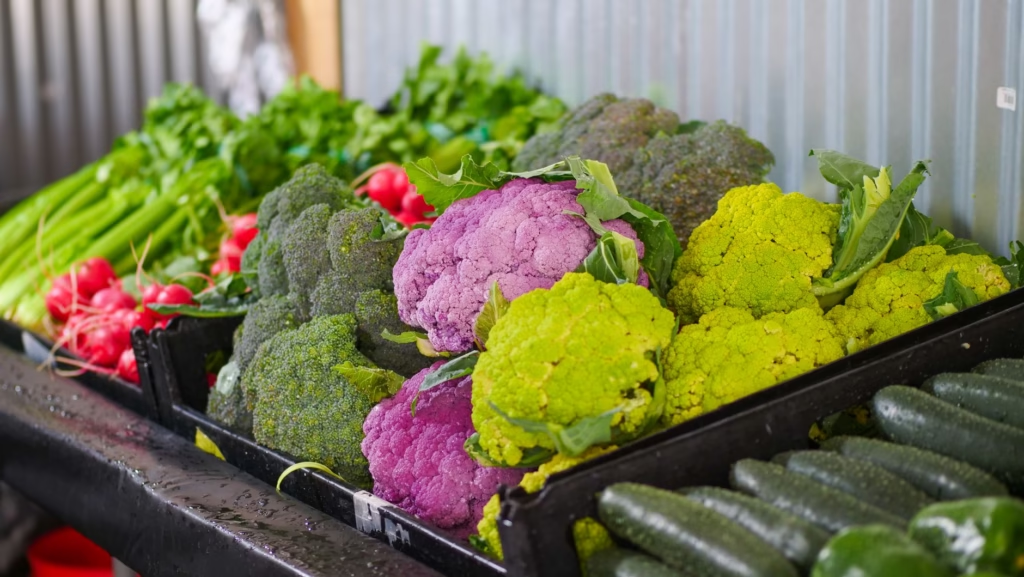
- Foods to Include: Incorporate plenty of fruits, vegetables, whole grains, and lean proteins into your diet. Foods rich in probiotics, like yogurt or kefir, can support gut health by adding beneficial bacteria.
- Foods to Limit: It’s best to limit high-fat, fried foods and sugar-laden snacks as they can slow down digestion and lead to discomfort.
- Stay Hydrated: Drinking adequate water aids digestion and helps prevent constipation. Herbal teas, such as ginger or peppermint, might also relieve digestive discomfort.
What Can We Do?
Here are some practical, evidence-based steps to improve digestion naturally:
- Increase Fiber Intake: Aim for at least 25 grams of fiber per day. Foods like whole grains, fruits, vegetables, and legumes can help keep your digestive system healthy.
- Practice Mindful Eating: Slow down during meals, chew thoroughly, and pay attention to hunger cues. This can lead to better digestion and less overeating.
- Stay Active: Regular physical activity helps keep food moving through the digestive system. Even simple activities like walking after meals can make a difference.
- Manage Stress: Techniques like mindfulness or yoga can help reduce stress levels, which is good for your digestive health.
- Keep a Food Diary: Tracking what you eat and how it makes you feel can help identify food intolerances or triggering food.
When Should You See a Doctor
If you are experiencing severe or persistent digestive symptoms, it’s essential to seek medical advice. Some warning signs include:
- Severe or persistent abdominal pain
- Blood in stool or vomit
- Unexplained weight loss
- Difficulty swallowing or persistent vomiting
- Symptoms that suddenly worsen
These symptoms could indicate a serious underlying condition, so consulting a healthcare professional is crucial.
Frequently Asked Questions
Why am I always bloated?
Bloating can be caused by several factors, including dietary choices, eating too quickly, or food intolerances. Keeping a food diary can help identify any triggers.
Can food cause digestive discomfort?
Yes! Foods that are high in fat, sugar, or certain carbohydrates can lead to digestive issues. Identifying and reducing these foods may help.
When should I worry about digestive issues?
If you notice any severe or persistent symptoms, such as unexplained weight loss or blood in stool, it’s crucial to consult with a healthcare professional.
How does stress affect digestion?
Stress can disrupt the brain-to-gut connection, leading to issues like indigestion, bloating, or changes in appetite. Managing stress through relaxation techniques can help alleviate these symptoms.
Are probiotics good for digestion?
Yes, probiotics can help support gut health by balancing the bacteria in the intestine. Foods like yogurt, kefir, and sauerkraut are great sources.
Does drinking water help digestion?
Absolutely! Staying hydrated is essential for digestion, as it helps break down food and prevent constipation.
Can I improve digestion through exercise?
Yes! Regular exercise helps keep food moving through the digestive system and can alleviate symptoms such as bloating or constipation.
What role does sleep play in digestion?
Quality sleep helps regulate the body’s processes, including digestion. Aim for 7-9 hours of sleep per night for optimal health.
What the Research Says About How to Improve Digestion Naturally
Recent studies emphasize the importance of dietary fiber for optimal digestive health. Research has shown that high-fiber diets can promote regular bowel movements and reduce the risk of constipation and hemorrhoids (CDC, 2021). Additionally, a systematic review indicated that probiotics may help alleviate symptoms of irritable bowel syndrome (IBS) and improve overall gut health (Mayo Clinic, 2022).
On the other hand, stress management techniques, such as cognitive-behavioral therapy, have been associated with improved digestive outcomes, highlighting the gut-brain connection (NIH, 2022). Overall, incorporating these natural strategies into daily life may help promote better digestion.
Simple Daily Habits That May Support Better Health
Creating a few small, healthy habits may have a big positive impact on digestion:
- Consume a variety of foods rich in nutrients, especially fruits and vegetables.
- Ensure regular meals and snacks throughout the day to maintain energy and prevent overeating.
- Engage in light physical activity, like walking or stretching, especially after meals.
- Practice deep breathing exercises to help manage stress.
Final Thoughts
Improving digestion naturally involves making lifestyle and dietary choices that support a healthy gastrointestinal system. We often overlook how our daily habits, the foods we choose, and our stress levels influence digestion. By adopting mindful eating practices, increasing fiber intake, and staying active, we can help our bodies work efficiently.
If we notice that our digestive symptoms persist or worsen, it’s crucial to reach out to a healthcare professional for guidance. With a little patience and attention to our bodies, we can better understand and enhance our digestion naturally. Remember, you have the power to take small steps that lead to significant improvements in your digestive health over time!

Sources and References
National Institutes of Health: Dietary Fiber. 2021. https://www.nih.gov
Mayo Clinic: Probiotics: What They Are and Their Health Benefits. 2022. https://www.mayoclinic.org
Centers for Disease Control and Prevention: Signs and Symptoms of Digestive Disorders. 2021. https://www.cdc.gov

Medical Disclaimer
This article is for general educational and informational purposes only. It is not intended to provide medical advice, diagnosis, or treatment. Health conditions can affect people differently, and information that is appropriate for one person may not be appropriate for another. If you have persistent, severe, or concerning symptoms, speak with a qualified healthcare professional for personalized advice.
Further Reading
Ivf Shot Schedule: 10 Things You Should Know
Omeprazole and Alcohol: Is It Safe to Mix?
what does a growth spurt in pregnancy feel like
Photo by Dana Sredojevic on Pexels.
Frequently Asked Questions
Can coffee affect my digestion?
Caffeine can stimulate digestive contractions, which may cause loose stools for some people. It can also increase stomach acid production, potentially worsening heartburn in sensitive individuals. Pay attention to how your body reacts after your morning cup.
How does chewing gum influence bloating?
Chewing gum often leads to swallowing excess air, which can cause trapped gas and bloating. If you struggle with frequent gas, you may want to limit gum chewing to see if your symptoms improve.
Should I eat smaller meals to improve digestion?
Eating smaller, more frequent meals can sometimes prevent your digestive system from becoming overwhelmed. This approach may be particularly helpful if you experience frequent heartburn or fullness after large meals.
Does temperature of food matter for digestion?
While there is no strict rule, some people find that very hot or very cold foods can trigger discomfort. Consuming foods and drinks at a moderate temperature is generally easier for the digestive tract to process.
The Bottom Line
Improving your digestion is a journey that starts with small, consistent changes to your daily lifestyle. By focusing on fiber, hydration, and mindful habits, you can support your gut health and overall well-being. Listen to your body, and do not hesitate to reach out to a healthcare professional if you have persistent concerns. You deserve to feel comfortable and healthy every day.