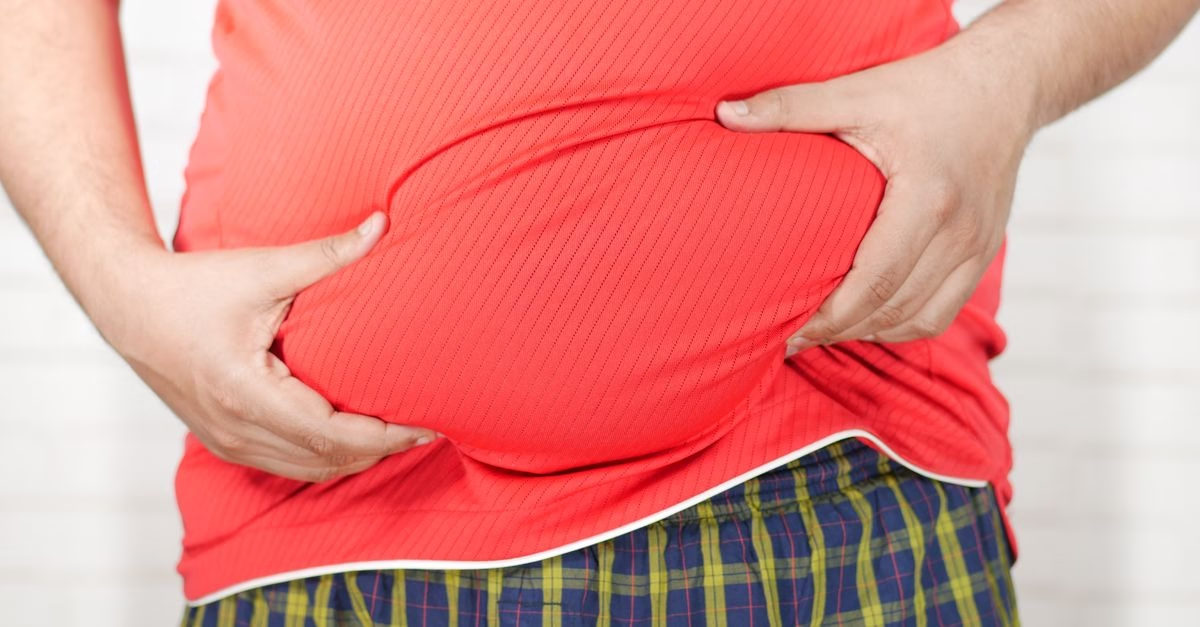
If you’ve recently started eating healthier but find yourself feeling more bloated than before, you might be asking yourself, “Why am I bloated after eating healthy?” This is a common concern that many people share, especially those transitioning to a diet rich in fruits, vegetables, whole grains, and legumes. While it seems paradoxical to feel bloated after eating foods that are typically considered good for you, several factors could be at play.
Feeling bloated can be uncomfortable, and it often leads to questions about digestion and dietary choices. Bloating happens when excess gas or fluid accumulates in the stomach or intestines. It can leave you feeling full, distended, or even in pain. Understanding why this occurs, especially when you’re embracing a healthier lifestyle, is essential for managing your symptoms and improving your overall well-being.
What is Why am I bloated after eating healthy?
At its core, “Why am I bloated after eating healthy?” seeks to identify the reasons behind that uncomfortable feeling of fullness or swelling in the abdomen after consuming nutritious foods. Bloating is a common digestive issue, and it can occur even when you’re making the best dietary choices possible. Simply put, bloating can arise from how your body responds to specific foods or eating habits.
Bloating can be triggered by various factors such as the type of food you consume, how quickly you eat, and individual differences in digestion. It’s crucial to know that while healthy eating is beneficial, the transition can sometimes lead to temporary digestive adjustments that might result in bloating.
Why Does Why am I bloated after eating healthy? Happen?
Understanding why you may experience bloating after healthier meals involves looking at several possible causes. One possible reason is the increased intake of fiber when switching to healthier foods. Fiber is essential for digestive health, but a sudden surge can overwhelm your system if you’re not used to it.
Another common factor could be food intolerances, which may go unnoticed until you change your diet. Foods that are typically healthy, like beans or certain vegetables, can cause gas or bloating in some individuals. In some people, eating larger quantities of healthy foods may also lead to impaired digestive processes, causing that uncomfortable feeling of fullness. Research suggests that paying attention to portion sizes and your body’s reactions can help manage these symptoms.
Common Causes of Why am I bloated after eating healthy?
1. High Fiber Intake: When you eat more fruits, vegetables, and whole grains, you naturally increase your fiber consumption. While fiber is crucial for a healthy digestive system, a sudden increase can lead to gas and bloating, especially if your body isn’t used to it. To adjust, try gradually increasing fiber in your diet and drink plenty of water to help it move smoothly through your digestive system.
2. Food Intolerances: Many healthy foods, like beans, certain vegetables (like broccoli and cabbage), or dairy products, can cause bloating if you’re intolerant to them. Symptoms might include gas, discomfort, or cramps. Keeping a food diary can help you identify any correlations between what you eat and your bloating, guiding you towards modifications that may ease your symptoms.
3. Eating Habits: How you eat can also affect bloating. Eating too quickly or talking while eating can lead to swallowing air, contributing to bloating. Try to slow down, chew your food thoroughly, and enjoy your meals without distractions. This can significantly improve your digestion.
4. High-Sodium Foods: Some healthy foods, especially pre-packaged ones, can contain higher levels of sodium. Too much sodium can lead to water retention, which creates a feeling of bloating. Always check labels and try to choose fresh or low-sodium options when available.
Signs and Symptoms to Watch For
Common symptoms of bloating can include:
- Feeling of fullness or tightness in the abdomen
- Excess gas or flatulence
- Visible swelling of the abdomen
- Discomfort or pain in the digestive area
While occasional bloating isn’t typically concerning, be aware of symptoms that may require medical attention, including:
- Severe or persistent abdominal pain
- Blood in stool or vomit
- Unexplained weight loss
- Persistent vomiting or inability to keep food down
- Fever or sudden changes in bowel habits
What Can Make Why am I bloated after eating healthy? Worse?
A variety of lifestyle and dietary factors can contribute to or exacerbate bloating:
- Diet: Consuming carbonated drinks, high-fat meals, or high-fiber foods all at once can lead to bloating.
- Eating habits: Eating too quickly can result in swallowing air, which may worsen bloating.
- Hydration: Not drinking enough water can slow digestion, leading to constipation and bloating.
- Stress: High stress levels can impact digestion and lead to bloating.
- Lack of physical activity: Sedentary lifestyles can slow down digestion, leading to bloating.
Foods and Drinks Related to Why am I bloated after eating healthy?
When it comes to addressing bloating, what you eat matters. Here are some foods that may help or worsen the situation:
- Helpful foods: Ginger, peppermint tea, and bananas are known for easing digestive discomfort.
- Foods that may worsen bloating: Beans, lentils, cruciferous vegetables, and some dairy products are common culprits.
- Stay Hydrated: Drinking enough water is vital to support digestion and prevent constipation, which can lead to bloating.
What Can We Do About Why am I bloated after eating healthy?
Here are some practical steps to manage and potentially reduce bloating:
- Gradually Increase Fiber Intake: Instead of making drastic changes to your diet, slowly introduce high-fiber foods to allow your digestive system time to adapt.
- Mindful Eating: Chew your food thoroughly and avoid distractions while eating. This simple habit can minimize swallowing air and improve digestion.
- Stay Hydrated: Drinking plenty of water helps fiber work correctly and can ease bloating.
- Identify Problematic Foods: Keep a food diary to track what you eat and how it affects your bloating. This can help identify any food intolerances or triggers.
- Physical Activity: Regular exercise can help maintain healthy digestion and prevent bloating.
When Should We See a Doctor About Why am I bloated after eating healthy?
If you experience severe or persistent bloating along with other concerning symptoms, it might be time to see a healthcare professional. Pay attention to warning signs such as:
- Severe abdominal pain or cramping
- Weakness or fatigue
- Hemorrhaging from the digestive tract
- Symptoms that worsen over time despite dietary changes
These could indicate a more serious underlying issue that needs medical evaluation.
Frequently Asked Questions About Why am I bloated after eating healthy?
Why am I always bloated after eating healthy?
Consistent bloating after consuming healthy foods may be due to a variety of factors, including food intolerances or digestive habits. Identifying triggers through a food diary might help you pinpoint specific foods or eating habits that contribute to your symptoms.
Can food cause Why am I bloated after eating healthy?
Yes, certain foods can lead to bloating, even if they are healthy. Foods high in fiber, gas-producing vegetables, or dairy can be culprits for some individuals. Keeping track of your diet can help identify problem foods.
When should I worry about Why am I bloated after eating healthy?
If bloating is chronic or accompanied by concerning symptoms like weight loss, severe pain, or changes in your bowel habits, it’s wise to consult a healthcare professional. They can help ensure there are no serious underlying health issues.
Does drinking water help with bloating?
Staying hydrated can indeed assist digestion and may alleviate feelings of bloating. Water helps fiber do its job and ensures that your digestive system runs smoothly.
Is bloating worse after eating certain foods?
Yes, some foods—especially those high in fiber, sugar, or fat—can be more likely to cause bloating. It’s crucial to listen to your body and notice which foods seem to lead to bloating.
Can stress cause bloating?
Absolutely! Stress impacts digestion and can lead to symptoms like bloating or discomfort. Finding ways to manage stress can have a positive effect on your gastrointestinal health.
How can I tell if it’s bloating or something serious?
While occasional bloating is common, persistent or severe symptoms—like pain, blood, or significant weight loss—should not be ignored. If you have these symptoms, seek advice from a healthcare professional.
What lifestyle habits can help reduce bloating?
Adopting mindful eating practices, ensuring proper hydration, managing stress, and engaging in regular physical activity can all support your digestive health and potentially reduce bloating.
What the Research Says About Why am I bloated after eating healthy?
Research indicates that dietary fiber is crucial for health, but sudden increases can lead to digestive discomfort, including bloating. A study published in the *American Journal of Gastroenterology* highlighted the importance of gradual dietary changes, especially when increasing fiber intake (NIDDK). Another study in the *Journal of the Academy of Nutrition and Dietetics* noted that food intolerances often manifest when individuals incorporate new foods into their diets (CDC). While these studies show a connection between dietary changes and digestive reactions, the effects can vary widely among individuals, necessitating a personalized approach to diet and digestion.
Simple Daily Habits That May Support Better Health
Incorporating simple daily habits can lead to improved health and reduce bloating:
- Choose Whole Foods: Focus on whole, minimally processed foods as much as possible.
- Practice Mindful Eating: Slow down during meals, savor your food, and chew thoroughly. This promotes better digestion.
- Stay Active: Aim for at least 30 minutes of moderate exercise most days to support digestive health.
- Manage Stress: Incorporate relaxation techniques like yoga or deep-breathing exercises to help lower stress levels.
Final Thoughts
We often strive for healthier eating habits for our well-being, but it’s common to encounter challenges like bloating along the way. Our bodies can take time to adjust to new foods and eating patterns, and it’s essential to be patient. If we notice persistent bloating or discomfort, it may be helpful to step back and evaluate what we are eating and how we are eating it.
By paying attention to our dietary choices, engaging in mindful eating, and recognizing individual food sensitivities, we can find strategies to mitigate bloating. Remember, it’s perfectly normal to feel bloated occasionally, especially when making dietary changes. However, staying conscious of our body’s signals is key. If we encounter symptoms that are concerning or unmanageable, it’s always a good idea to consult a healthcare professional for personalized advice.
Sources and References
National Institute of Diabetes and Digestive and Kidney Diseases: “Digestive Health: Bloating.” Updated 2023. https://www.niddk.nih.gov
Centers for Disease Control and Prevention: “Food Safety and Digestion.” Updated 2023. https://www.cdc.gov
American Journal of Gastroenterology: “Dietary Fiber and Gastrointestinal Health: A Review.” 2023. https://www.nature.com
Journal of the Academy of Nutrition and Dietetics: “Food Intolerance Profiles in Diverse Populations.” 2023. https://www.jand.elsevier.com
Mayo Clinic: “Bloating: Symptoms, Causes, and Treatment.” 2023. https://www.mayoclinic.org
Medical Disclaimer
This article is for general educational and informational purposes only. It is not intended to provide medical advice, diagnosis, or treatment. Health conditions can affect people differently, and information that is appropriate for one person may not be appropriate for another. If you have persistent, severe, or concerning symptoms, speak with a qualified healthcare professional for personalized advice.
Further Reading
Ivf Shot Schedule: 10 Things You Should Know
Omeprazole and Alcohol: Is It Safe to Mix?
what does a growth spurt in pregnancy feel like
Photo by Towfiqu barbhuiya on Pexels.