Have you ever sat down to enjoy a plate of fresh vegetables only to be left feeling bloated afterward? If so, you’re not alone! Many people ask themselves, “Why am I bloated after eating vegetables?” Bloating after meals can be uncomfortable and frustrating, especially when you’re eating healthy foods that are supposed to nourish your body. Understanding the reasons behind this bloating can help you enjoy your meals without the unpleasant aftereffects.
In this article, we’ll explore the possible causes of bloating after consuming vegetables, breaking things down in simple terms. We want to help you understand your body better and find practical solutions to reduce that uncomfortable sensation. So, let’s get started and figure out why those healthy greens might be causing you some distress!
What is Why am I bloated after eating vegetables?
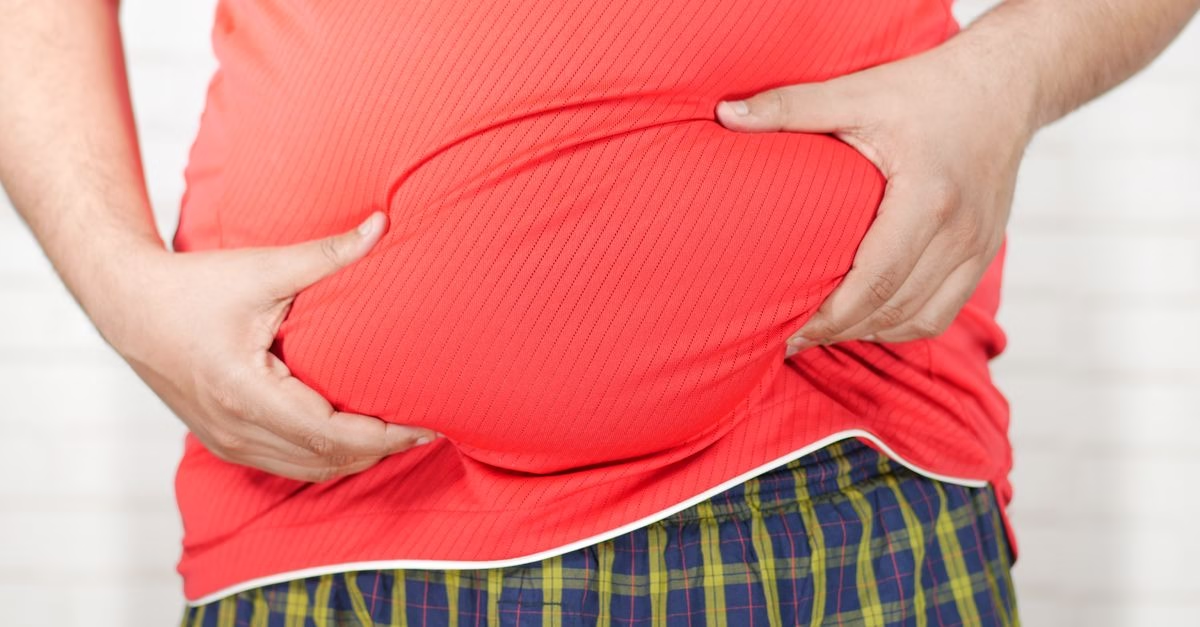
Bloating is a feeling of fullness or swelling in the abdomen. It’s often accompanied by discomfort and gas. When it happens after eating vegetables, many people wonder why this is happening. It’s important to know that your digestive system can react differently to various foods. Vegetables, while very healthy, contain certain components that might not sit well with everyone.
Some of the main culprits are fiber, sugars in vegetables, and other natural compounds. Fiber helps keep our digestive system healthy, but if you haven’t had much fiber in your diet and suddenly increase your intake, it can lead to bloating. Understanding how these factors play a role can help clarify why you feel bloated after munching on those veggies.
Why Does Why am I bloated after eating vegetables? Happen?
There are several reasons why you might experience bloating after eating vegetables. One possible reason is that many vegetables contain certain carbohydrates and fibers that can be hard for some people to digest. Sometimes, it’s not just about the vegetables themselves—how you eat them can also make a difference.
Another common factor is our individual reactions to specific types of vegetables. For instance, certain people might be sensitive to sugars found in certain vegetables or experience difficulty with their digestive process. Research suggests that factors like eating quickly, not chewing thoroughly, or consuming carbonated drinks with meals can also contribute to bloating.
Common Causes of Why am I bloated after eating vegetables?
Let’s break down some of the common causes of bloating after eating vegetables and how they might relate to your experience:
High Fiber Content
Vegetables are rich in dietary fiber, which is essential for good digestion. However, if your body isn’t used to a high-fiber diet, jumping straight into a platter of raw vegetables can lead to bloating. You may notice feelings of fullness, gas, or even discomfort. To ease into it, gradually increase your fiber intake and drink plenty of water to help your body adjust.
Fructans and Galacto-oligosaccharides
Some vegetables, like onions, garlic, and certain beans, contain complex carbohydrates like fructans and galacto-oligosaccharides that can be challenging for some to digest. If you notice bloating after specific veggies, reducing or cooking them may help because cooking can sometimes break down these carbohydrates, making them easier to digest.
Food Sensitivities or Allergies
In some individuals, certain vegetables can trigger food sensitivities or allergies. For example, cruciferous vegetables like broccoli and cauliflower may cause issues for some people. If you notice consistent bloating after eating specific types of vegetables, consider keeping a food diary to track your symptoms. Consulting with a health professional is a good idea if you suspect food sensitivities.
Swallowing Air
Believe it or not, how we eat can play a part in bloating! Eating too quickly or talking while eating can lead to swallowing excess air, which can result in a bloated feeling. By slowing down and savoring your food, you might find a reduction in that uncomfortable gas.
Signs and Symptoms to Watch For
The primary symptom of bloating after eating vegetables is a feeling of fullness or swelling in the stomach. Other possible symptoms include:
- Gas or flatulence
- Abdominal cramps
- A feeling of tightness or discomfort in the abdomen
While occasional bloating is quite common and usually nothing to worry about, persistent or worsening symptoms may be a sign of a more significant issue. If you experience severe pain, blood in your stool, or unintended weight loss, it’s essential to speak with a healthcare professional for further evaluation.
What Can Make Why am I bloated after eating vegetables? Worse?
Several lifestyle and dietary factors can worsen bloating after eating vegetables, including:
- Diet: A diet high in processed foods or low in fiber can affect digestion.
- Eating habits: Eating too quickly or not chewing your food well can lead to swallowing air.
- Hydration: Insufficient water intake can impact digestion and exacerbate bloating.
- Stress: High-stress levels can influence digestion and lead to bloating.
- Lack of Physical Activity: A sedentary lifestyle can slow down digestion, leading to feelings of bloating.
- Carbonated drinks: Fizzy beverages can add extra gas to your digestive system.
- Food intolerances: Some may not digest certain vegetables well, leading to bloating.
Foods and Drinks Related to Why am I bloated after eating vegetables?
Let’s take a closer look at which foods may help or worsen bloating:
- Foods that may help: Foods rich in probiotics, like yogurt or kefir, may support gut health and improve digestion, possibly reducing bloating.
- Foods to be cautious with: Foods high in FODMAPs, which are certain fermentable sugars found in some vegetables, may lead to worsening bloating.
- Hydration: Drinking water is crucial for effective digestion and helping to manage bloating.
Remember, everyone’s digestive system is unique! Some people may have no trouble with certain vegetables, while others might experience bloating. Finding the right balance for your body will require some experimentation and patience.
What Can We Do About Why am I bloated after eating vegetables?
If you’re looking for ways to manage feelings of bloating after eating vegetables, here are some practical steps to consider:
- Gradual Increase in Fiber: Slowly increase your vegetable intake to let your body adapt.
- Mindful Eating: Take your time while eating. Chew thoroughly to aid in digestion and minimize swallowed air.
- Cooking Vegetables: Cooking vegetables may make them easier to digest for some. Try steaming or sautéing instead of eating raw.
- Pacing Meals: Avoid having large meals; instead, opt for smaller and more frequent meals throughout the day.
- Stay Hydrated: Drinking plenty of fluids can support digestion. Aim for at least 8 glasses of water daily.
- Exercise: Incorporating physical activity into your routine can help facilitate better digestion and reduce bloating.
When Should We See a Doctor About Why am I bloated after eating vegetables?
If you’re experiencing the following symptoms, it may be time to consult a healthcare professional:
- Severe or persistent abdominal pain
- Blood in stool
- Unexplained weight loss
- Persistent vomiting
- Difficulty swallowing
- Severe weakness or fatigue
- Symptoms that worsen despite making dietary changes
It’s crucial to prioritize your health and seek advice when something feels off, especially if symptoms persist.
Frequently Asked Questions About Why am I bloated after eating vegetables?
Why am I always bloated after eating vegetables?
If you’re frequently bloated after eating vegetables, it could be due to a high fiber content that your body isn’t used to, or you might have certain food sensitivities. Keeping a food diary may help identify what specifically triggers your bloating.
Can food cause Why am I bloated after eating vegetables?
Yes, specific foods, especially certain vegetables that contain complex carbohydrates, can contribute to bloating. Each person’s digestion is unique, so it’s essential to pay attention to which foods you react to.
When should I worry about Why am I bloated after eating vegetables?
If your bloating is accompanied by severe pain, changes in bowel habits, or other concerning symptoms such as blood in your stool, it’s wise to reach out to a healthcare professional for guidance.
Is it normal to feel bloated after eating healthy foods?
It can be normal for some people, especially if they are not used to high-fiber diets. However, persistent bloating should be discussed with a healthcare professional.
Do certain cooking methods reduce bloating?
Cooking methods such as steaming or boiling can help break down some of the difficult-to-digest compounds in vegetables, making them easier on your stomach.
Can stress contribute to bloating after eating vegetables?
Absolutely! Stress can impact your digestive process and lead to feelings of bloating. Finding ways to manage stress can be beneficial for overall digestive health.
What should I do if I suspect a food intolerance?
If you suspect a food intolerance, you can try eliminating the troublesome vegetable from your diet temporarily to observe any changes. Keep a log of your symptoms for reference when discussing with your healthcare provider.
How can probiotics help with bloating?
Probiotics can help balance the gut microbiome, which may improve digestion and reduce bloating for some individuals. Including probiotic-rich foods in your diet could be helpful.
What the Research Says About Why am I bloated after eating vegetables?
Research indicates that various carbohydrates found in vegetables can lead to bloating due to fermentation in the gut, especially for those with sensitivities (American Gastroenterological Association). According to a systematic review published in the Journal of Gastroenterology, adopting a low FODMAP diet can provide relief for individuals experiencing bloating and other digestive symptoms (Mayo Clinic). However, it’s important to personalize dietary choices by considering individual tolerance levels.
Simple Daily Habits That May Support Better Health
Incorporating these habits may support better digestion and lessen feelings of bloating:
- Practice mindful eating by focusing on your meal and chewing thoroughly.
- Stay active with regular walks or exercise to support digestion.
- Maintain hydration to aid the digestive process.
- Gradually increase your fiber intake to let your digestive system adjust.
Final Thoughts
We often find ourselves questioning things our bodies do, and understanding why we might feel bloated after eating vegetables can be very useful. Our bodies react in different ways to various foods, and being aware of these reactions can help us make healthier choices. It’s important for us to listen to our bodies and pay attention to what we eat and how we feel afterward.
If bloating after consuming vegetables becomes a frequent issue, it might be worthwhile to keep a food diary, gradually adjust your intake, or reach out to a healthcare professional who can provide guidance tailored to your situation. Remember, your health is essential, and understanding your body is a great step towards feeling better!
Sources and References
NIH: “Dietary Fiber.” Last updated 2021. https://www.ncbi.nlm.nih.gov/pmc/articles/PMC6511792/
Mayo Clinic: “Low FODMAP Diet.” Last updated 2022. https://www.mayoclinic.org/healthy-lifestyle/nutrition-and-healthy-eating/in-depth/low-fodmap-diet/art-20460446
American Gastroenterological Association: “Gut Health: Foods to Eat and Avoid.” Last updated 2021. https://www.gastro.org/press-releases/gut-health-foods-to-eat-and-avoid
Cleveland Clinic: “Bloating: Causes, Treatments, Prevention.” Last updated 2023. https://my.clevelandclinic.org/health/diseases/12145-bloating
Harvard T.H. Chan School of Public Health: “Fiber: Why Do We Need It?” Last updated 2023. https://www.hsph.harvard.edu/nutritionsource/fiber/
Medical Disclaimer
This article is for general educational and informational purposes only. It is not intended to provide medical advice, diagnosis, or treatment. Health conditions can affect people differently, and information that is appropriate for one person may not be appropriate for another. If you have persistent, severe, or concerning symptoms, speak with a qualified healthcare professional for personalized advice.
Further Reading
Ivf Shot Schedule: 10 Things You Should Know
Omeprazole and Alcohol: Is It Safe to Mix?
what does a growth spurt in pregnancy feel like
Photo by Towfiqu barbhuiya on Pexels.