Key Takeaways
- Fiber-rich vegetables support gut bacteria and improve overall digestive function.
- Gradually increase your vegetable intake to avoid bloating and gas.
- Hydration and regular physical activity are essential for healthy digestion.
- Chronic digestive symptoms should always be evaluated by a healthcare professional.
Best Vegetables for Gut Health
When it comes to our health, the state of our gut plays a crucial role, and many people are searching for the best vegetables for gut health. Our gut is home to trillions of bacteria, many of which help us digest food and absorb nutrients. If you’ve been feeling bloated, gassy, or just not quite right, you might be looking for ways to support your digestive system. Eating the right vegetables can be a fantastic step in the direction of a happier gut!
But why vegetables, specifically? They’re rich in fiber and essential nutrients, which can help fuel the beneficial bacteria in our gut. Increasing your intake of certain vegetables can promote better digestion, help prevent constipation, and may even improve your overall mood and energy levels. So, let’s dig in and explore which veggies might become your gut’s new best friends!
What Does This Mean?
When we talk about the best vegetables for gut health, we’re referring to those that can support digestive function, promote a healthy balance of bacteria, and potentially reduce symptoms like bloating and constipation. Fiber is a key term here, it’s a type of carbohydrate that our bodies can’t digest, but it plays a vital role in digestion. Fiber helps bulks up our stool, making it easier to pass, and it feeds the healthy bacteria in our gut.
Some common types of fiber include soluble fiber, which dissolves in water and can help lower cholesterol, and insoluble fiber, which adds bulk to our stool. Vegetables can provide both types, helping to keep our digestion running smoothly. Now, let’s take a closer look at what might be causing some of those gut health concerns you’re curious about.
Why Does This Happen?
One possible reason for digestive discomfort is an imbalance in gut bacteria. This can happen due to various factors, including a poor diet, stress, or even antibiotics that can disrupt the natural flora of the gut. You might notice bloating, gas, or irregular bowel movements as a symptom. It’s important to understand that these symptoms can stem from different sources, and everyone’s gut health is unique.
Another common factor affecting gut health is a lack of dietary fiber. Many people don’t eat enough fruits, vegetables, and whole grains. Research suggests that incorporating more fiber-rich foods can support digestion and reduce issues like constipation. In some people, food intolerances or sensitivities might also play a role; for example, intolerance to dairy, gluten, or certain vegetables can trigger gut symptoms.
Common Causes
Let’s break down some common contributors to gut health issues.
Poor Diet: Eating a diet high in processed foods and low in fruits and vegetables can harm gut bacteria. If your meals lack fiber and nutrients, you may experience bloating or constipation. To help, aim to fill your plate with a variety of colorful vegetables.
Stress: Stress can have a significant effect on digestion. When we’re stressed, our bodies might divert blood away from our digestive system, leading to discomfort. Taking time to relax and incorporate stress-reducing activities, like yoga or meditation, may help improve gut function.
Lack of Hydration: Not drinking enough water can lead to hard stools and constipation. Keeping hydrated supports the digestive process. Drinking enough water while eating fiber-rich vegetables can enhance their benefits.
Signs and Symptoms to Watch For
Some common symptoms of gut health issues are:
- Bloating and gas
- Constipation
- Diarrhea
- Stomach cramps
- Unexplained weight changes
If you notice these symptoms occasionally, it may just be due to a particular meal or stress. However, if they persist, it’s a good idea to consult a healthcare professional to explore potential underlying causes.
What Can Make it Worse?
Several lifestyle factors can worsen gut health:
- Diet: Over-reliance on processed foods and low fiber intake can harm gut health.
- Eating Habits: Eating too quickly can lead to swallowing air, which may cause bloating.
- Stress: Chronic stress can disrupt gut function and exacerbate symptoms.
- Lack of Physical Activity: Regular movement can promote digestion and reduce constipation.
- Alcohol and Smoking: Both can disrupt the gut lining and impact bacteria balance.
Foods and Drinks Related to the Topic
While we’re focusing on the best vegetables for gut health, it’s useful to know which ones might help:
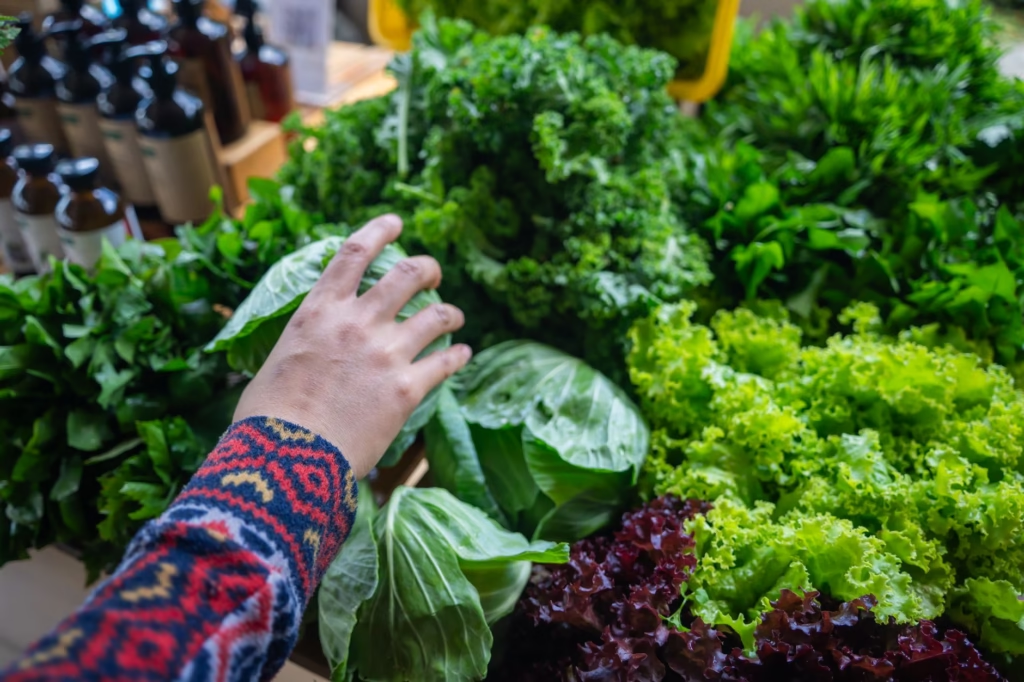
Leafy Greens: Spinach, kale, and Swiss chard are excellent choices, rich in fiber and nutrients.
Cruciferous Vegetables: Broccoli, Brussels sprouts, and cauliflower may support gut health due to their high fiber content.
Root Vegetables: Carrots and sweet potatoes contain fiber and are also a source of prebiotics, which feed beneficial bacteria.
On the flip side, some people find certain vegetables can cause bloating or gas, including beans, lentils, and cabbage. It’s important to listen to your body and notice how different foods affect you.
What Can We Do?
Here are some practical, evidence-based steps you can consider to support gut health:
- Increase Fiber Intake: Aim to eat a variety of vegetables in every meal. Start with one extra serving per day and build from there.
- Stay Hydrated: Drinking enough water can aid in digestion. Aiming for about 8 cups a day is a good guideline.
- Mindful Eating: Slow down while eating to help prevent bloating. Chew your food well and pay attention to your portion sizes.
- Manage Stress: Incorporate stress-relief techniques like yoga or deep-breathing exercises into your routine.
- Regular Exercise: Aim for at least 30 minutes of physical activity most days of the week to help keep your digestive system functioning properly.
When Should You See a Doctor?
If you’re experiencing any of the following symptoms, consider reaching out to a healthcare professional:
- Severe or persistent abdominal pain
- Blood in your stool
- Unexplained weight loss
- Persistent vomiting or nausea
- Difficulty swallowing
- Signs of dehydration, such as persistent dry mouth or dizziness
It’s important to discuss symptoms that are frequent, severe, or interfere with your daily life.
Frequently Asked Questions
Why am I always bloated after eating vegetables?
Sometimes, certain vegetables can cause gas due to their fiber and sugar content, especially if introduced suddenly into your diet.
Can food intolerances cause gut issues?
Yes, food sensitivities can lead to digestive discomfort. Common culprits include gluten, dairy, or certain types of carbohydrates.
When should I worry about gut health symptoms?
If symptoms like bloating, pain, or changes in bowel habits persist for more than a few days, it’s wise to seek advice from a healthcare professional.
How can I increase fiber in my diet?
Start by adding one high-fiber vegetable to your meals each day, like carrots or broccoli, and gradually increase your intake.
Are there specific vegetables that can help with constipation?
Yes, fiber-rich vegetables like spinach, peas, and carrots can help ease constipation by increasing the bulk of stool.
What is the role of prebiotics in gut health?
Prebiotics are types of fiber that feed healthy gut bacteria, promoting a balanced microbiome.
Can probiotics help my gut health?
Probiotics might help to balance gut bacteria, but individual responses can vary. Foods like yogurt and fermented vegetables can be good sources.
Does cooking vegetables affect their gut health benefits?
Cooking can break down fiber in vegetables, potentially making them easier to digest for some people, while others may benefit more from raw veggies. Experiment to find what works for you!
What the Research Says About Best Vegetables for Gut Health
Research supports that consuming a variety of fiber-rich vegetables is linked to improved gut health. A systematic review published in the Journal of Gastroenterology & Hepatology suggests that diverse dietary fibers can positively influence gut microbiota and enhance digestive health.
Another study in Gut Microbes highlighted that a high-fiber diet can lead to favorable changes in gut bacteria, which are associated with better digestion and overall health. However, it’s essential to approach dietary changes gradually and see what works best for your body.
Simple Daily Habits That May Support Better Health
Adopting small, consistent habits can make a significant difference in gut health:
- Set reminders to drink water throughout the day.
- Include at least one vegetable in every meal.
- Take 10 minutes to enjoy your meals without distractions.
- Incorporate a daily walk or gentle exercise to keep things moving.
Final Thoughts
Taking care of our gut health is a key part of overall wellness, and we often overlook the power of everyday vegetables. By focusing on the best vegetables for gut health, we can aid our digestion, support our gut bacteria, and feel more comfortable overall. Remember to gradually increase your fiber intake, stay hydrated, and listen to your body’s signals. If persistent symptoms arise, we shouldn’t hesitate to reach out to a healthcare professional. Our guts deserve some love and attention!
Sources and References
National Institutes of Health: Gut Microbiota in Health and Disease. 2022. https://www.ncbi.nlm.nih.gov/pmc/articles/PMC6400778/
American Gastroenterological Association: Fiber and Digestive Health. Updated 2022. https://www.gastro.org/practice-tools/gastro-grit/fiber-and-digestive-health
Mayo Clinic: Nutrition and gut health. 2023. https://www.mayoclinic.org/diseases-conditions/intestinal-infection/in-depth/dietary-fiber/art-20045431
Cleveland Clinic: Diet and Digestive Health. 2023. https://my.clevelandclinic.org/health/diseases/16655-digestive-conditions
Harvard T.H. Chan School of Public Health: The Nutrition Source: Fiber. 2023. https://www.hsph.harvard.edu/nutritionsource/fiber/

Medical Disclaimer
This article is for general educational and informational purposes only. It is not intended to provide medical advice, diagnosis, or treatment. Health conditions can affect people differently, and information that is appropriate for one person may not be appropriate for another. If you have persistent, severe, or concerning symptoms, speak with a qualified healthcare professional for personalized advice.
Further Reading
Ivf Shot Schedule: 10 Things You Should Know
Omeprazole and Alcohol: Is It Safe to Mix?
what does a growth spurt in pregnancy feel like
Photo by ready made on Pexels.
Frequently Asked Questions
Can eating too many vegetables cause digestive issues?
Yes, increasing fiber intake too rapidly can cause gas and bloating. It is best to introduce new vegetables slowly to allow your digestive system to adjust.
Should I eat raw or cooked vegetables for better digestion?
Cooking breaks down tough fibers, which can make vegetables easier to digest for many people. If raw vegetables cause discomfort, try steaming or roasting them first.
Are there vegetables to avoid if I have a sensitive stomach?
Some people find that cruciferous vegetables like cabbage or broccoli cause gas. You do not necessarily need to avoid them, but you may want to monitor your portion sizes.
How long does it take for fiber to improve gut health?
While you might notice minor changes in bowel regularity within a few days, consistent improvement in gut microbiome balance usually takes several weeks of sustained healthy eating.
The Bottom Line
Improving your gut health is a journey that starts with adding more fiber-rich vegetables to your daily meals. By staying hydrated, moving your body, and listening to your own comfort levels, you can foster a healthier digestive system. Remember that small, gradual changes are often the most sustainable for long-term wellness.