Key Takeaways
- Dehydration slows down digestive processes and can lead to uncomfortable symptoms like constipation and bloating.
- Water is essential for breaking down food and helping waste move smoothly through your intestines.
- High intake of caffeine, alcohol, salt, and sugar can worsen dehydration and negatively impact digestive health.
- Small habits like starting your day with water and eating hydrating foods can significantly improve digestion.
Can Dehydration Affect Digestion?
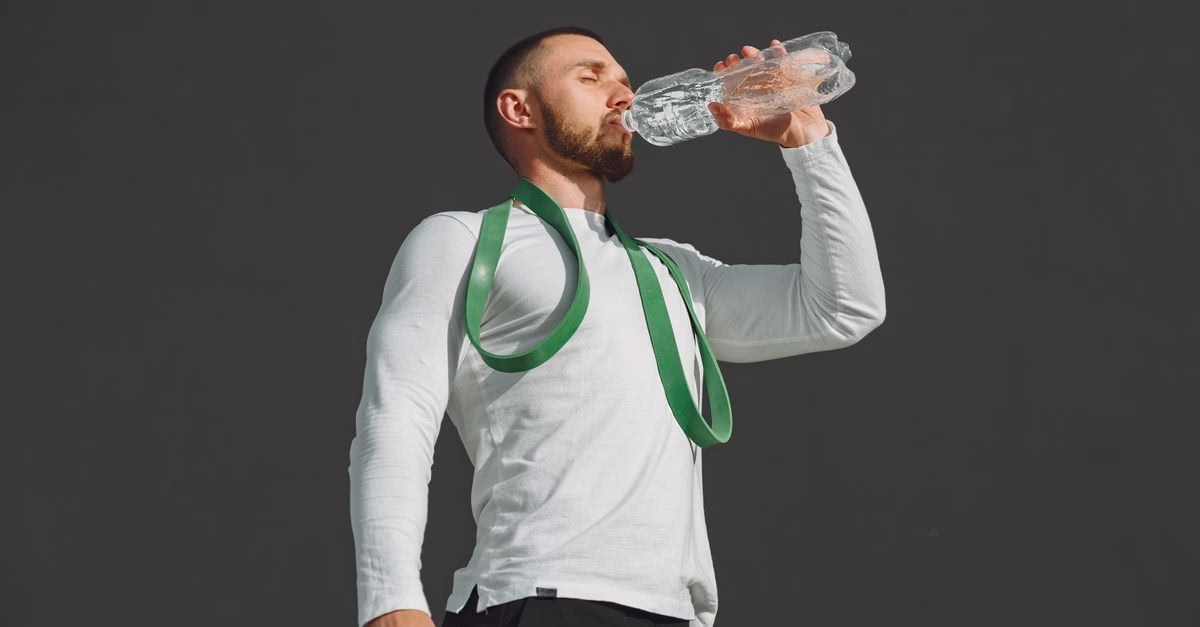
Have you ever found yourself wondering, “Can dehydration affect digestion?” You’re definitely not alone! Many people ask this question, especially if they’ve been feeling a bit off after meals. Basically, dehydration happens when the body loses more fluids than it takes in, and it can have a big impact on how well our digestive system works. If you’re experiencing tummy troubles or simply want to feel your best, understanding the connection between dehydration and digestion is important.
When our bodies don’t have enough water, it can cause a range of digestive issues, from constipation to bloating and even heartburn. That’s why many of us search for answers about dehydration and digestion, we want to know what we can do to maintain a healthy gut and keep everything running smoothly. Let’s explore the relationship between dehydration and our digestive health to see how we can support our bodies better!
What Does This Mean?
To understand if dehydration can affect digestion, let’s break down these terms a bit. **Dehydration** refers to a condition that happens when you don’t have enough fluids in your body. This could be due to failing to drink enough water, losing fluids through sweat, or more serious illnesses. **Digestion** is the process your body uses to break down food and absorb nutrients, which occurs in the stomach and intestines. So now that we know what these terms mean, how do they interact?
When you’re dehydrated, your body doesn’t function as effectively, including your digestive system. It may struggle to work properly, leading to uncomfortable symptoms. For many people, staying hydrated is key to ensuring that digestion goes smoothly. However, the ways dehydration impacts digestion can vary from person to person.
Why Does This Happen?
There are a couple of reasons why dehydration might affect digestion. One possible reason is that water plays a crucial role in breaking down food. Without enough water, your body may have difficulty processing what you eat. Another common factor is bowel regularity; enough hydration helps to keep things moving smoothly through your intestines. Research suggests that dehydration can lead to constipation and discomfort as well as problems like acid reflux.
Common Causes
Several factors can lead to dehydration, which in turn affects digestion. Here are a few important ones:
Not Drinking Enough Water: This is the most straightforward cause. If you’re not consciously hydrating throughout the day, you might suffer from mild dehydration without realizing it. It’s important to drink water regularly, especially if you’re active or live in hot climates.
Diet: Consuming too many salty or sugary foods can increase your body’s need for water. If your diet is high in processed foods, it might lead to dehydration, which in turn can make digestive issues worse.
Illness: Sometimes, you can lose fluids through sweating or illnesses like fever or gastrointestinal infections. These situations can quickly lead to dehydration, making digestion more challenging.
Medications: Certain medications, such as diuretics, can increase urination and lead to quicker fluid loss. This heightened loss can affect how well your digestive system functions.
Signs and Symptoms to Watch For
If you’re curious whether dehydration might be affecting your digestion, keep an eye out for some common symptoms:
- Constipation: This is perhaps one of the most noticeable signs. If you’re finding it difficult to poop, dehydration could be the culprit.
- Bloating: Feeling all puffed up and uncomfortable can occur when your body struggles to process food without enough hydration.
- Stomach Discomfort: General discomfort or cramping may arise when your digestive system is not at its best due to lack of hydration.
- Dry Mouth: A persistently dry mouth can indicate dehydration, which might make eating and swallowing more uncomfortable.
Though occasional symptoms like these might not be a reason to panic, persistent or worsening symptoms should be addressed with a healthcare professional. It’s essential to listen to your body and recognize when it’s time to seek help.
What Can Make It Worse?
Several lifestyle and dietary factors may contribute to worsening dehydration, thus affecting digestion:
- Poor Hydration Habits: If you have a habit of not drinking enough fluids during the day, this can exacerbate the issue.
- Diet Choices: Heavy consumption of caffeinated beverages or alcohol can lead to dehydration, impacting digestion negatively.
- Lack of Physical Activity: While exercise can be good for digestion, it is important to stay hydrated during physical activities. Not doing so can lead to losing fluids and affecting digestion.
Foods and Drinks Related to the Topic
When it comes to food and drink, some choices can either help or hinder hydration and digestion:
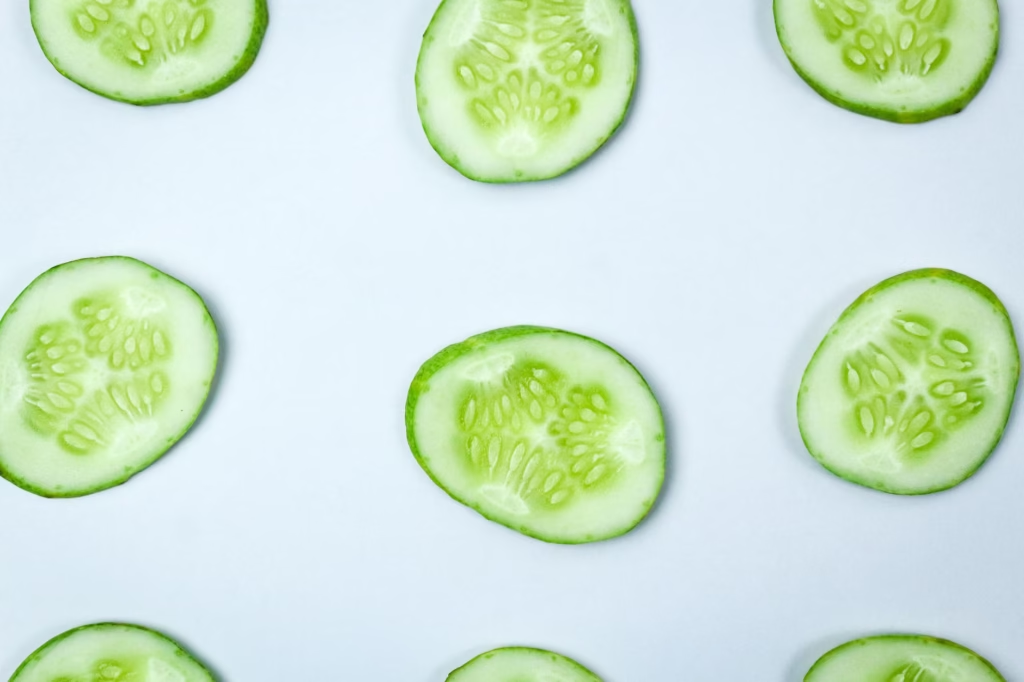
- Water-Rich Foods: Incorporating fruits and vegetables like watermelon, cucumbers, and oranges can boost your hydration levels, assisting digestion.
- High-Salt Foods: Processed or fast foods can increase dehydration, making digestion more challenging.
- Caffeinated Drinks: While coffee and tea can be enjoyable, they have a mild diuretic effect that can lead to fluid loss if not balanced with water intake.
Being aware of how different foods and drinks impact your hydration can help you make better choices for your overall digestive health.
What Can We Do?
Here are some practical tips to stay hydrated, which may help support your digestion:
Drink Water Regularly: Aim to drink 8-10 glasses of water a day. You can carry a refillable water bottle to remind yourself to sip throughout the day.
Monitor Your Diet: Focus on eating more fruits and vegetables, and limit processed and salty foods. This can help maintain hydration and support better digestion.
Be Mindful of Drinks: Choose water as your primary beverage. If you drink caffeine or alcohol, be sure to balance with extra water.
Fitness Matters: Stay active, but remember to drink water before, during, and after exercising to prevent dehydration.
When Should You See a Doctor
Sometimes it’s clear that we need a little extra help from healthcare professionals. Here are some warning signs that might mean it’s time to seek a doctor’s advice:
- Severe or persistent stomach pain
- Increasing frequency of constipation or diarrhea
- Blood in your stool
- Unexplained weight loss
- Persistent vomiting
- Extreme thirst or dry mouth that doesn’t go away
If you experience any of these symptoms, do not hesitate to reach out to a healthcare professional.
Frequently Asked Questions
Why am I always feeling bloated?
Bloating can be a common sign of dehydration among others. When the body lacks fluids, digestion becomes sluggish, which may lead to feelings of heaviness
Can food cause dehydration?
Yes, certain foods, especially those high in sodium or sugar, can lead to dehydration if not balanced with sufficient water intake.
When should I worry about digestive issues?
If your digestive issues last a few days, cause significant discomfort, or are accompanied by other symptoms like fever or blood in your stool, it’s time to see a doctor.
Can drinking more water help with constipation?
Absolutely! Staying hydrated helps to soften your stool and can make it easier to go.
What are some easy ways to increase my water intake?
Try carrying a reusable water bottle, setting reminders on your phone, or infusing your water with fruits for a refreshing flavor.
How much water should I drink daily?
While the general advice is about 8-10 cups, individual needs can vary based on activity level, climate, and overall health. Listen to your body!
Does dehydration affect appetite?
Yes, dehydration can sometimes suppress appetite, making it harder to eat enough to get proper nutrition, impacting overall health.
Can the weather affect dehydration?
Yes! Hot and humid weather can cause you to sweat more, increasing the risk of dehydration. Drink extra fluids during these times.
What the Research Says About Can Dehydration Affect Digestion?
Several studies and reports highlight the link between hydration and digestive health. For instance, research from the American Gastroenterological Association indicates that inadequate fluid intake can lead to constipation and slow down digestive processes. Moreover, a systematic review from the National Institutes of Health emphasizes the importance of hydration for maintaining healthy gut function.
It’s essential to recognize that while dehydration is commonly linked to digestive problems, the degree to which it affects individuals can vary. Continuous research in this field is important as it unfolds more intricate connections between hydration, diet, and overall health.
Simple Daily Habits That May Support Better Health
Implementing small habits can significantly enhance your hydration and digestion:
Start Your Day with Water: Drink a glass of water first thing in the morning to jumpstart your hydration.
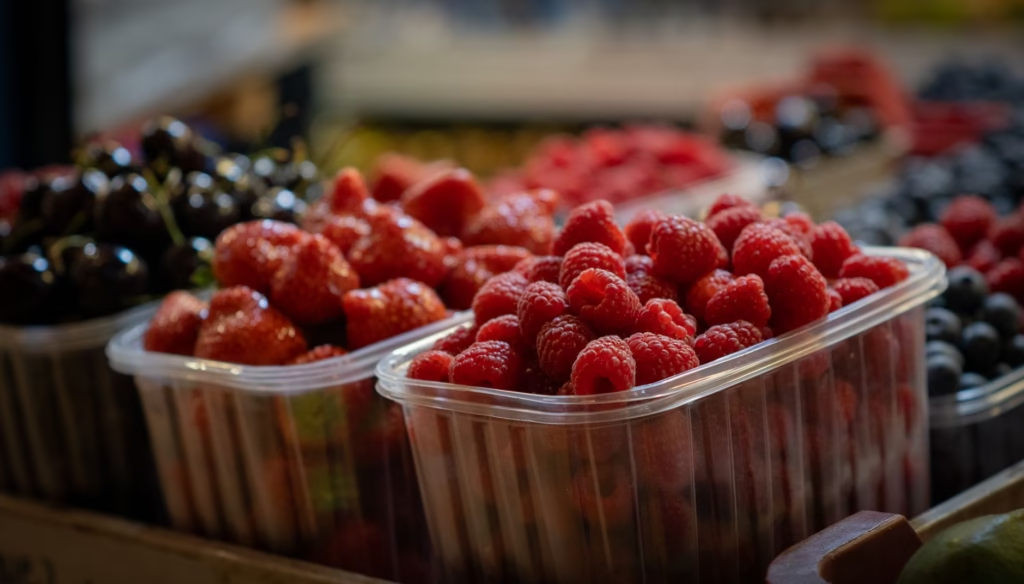
Eat Hydrating Foods: Include water-rich foods, such as cucumbers and berries, in your meals and snacks.
Set Reminders: Use your phone or apps dedicated to tracking water intake to help remind you to drink throughout the day.
Final Thoughts
In summary, understanding whether dehydration can affect digestion is crucial in maintaining overall health. Staying hydrated is essential not just for quenching your thirst but also for helping your digestive system work effectively. We often overlook the role of water in our daily lives, but small changes can lead to significant improvements.
If we notice signs of dehydration, it’s important to take proactive steps to increase our fluid intake and pay attention to how our bodies react. It’s all about finding the right balance that works for you, and if persistent symptoms arise, reaching out for professional advice is always a smart move. Remember, our bodies thrive on water, so let’s keep them happy and healthy!
Sources and References
National Institute of Diabetes and Digestive and Kidney Diseases (NIDDK): Fluid and Hydration. Updated January 2020. https://www.niddk.nih.gov/health-information/digestive-diseases/fluid-hydration
American Gastroenterological Association: Recommendations for Hydration. 2022. https://www.gastro.org/hydration
Mayo Clinic: Dehydration: Symptoms and Causes. Updated August 2023. https://www.mayoclinic.org/diseases-conditions/dehydration/symptoms-causes/syc-20353084
Cleveland Clinic: 10 Signs and Symptoms of Dehydration. Updated July 2023. https://my.clevelandclinic.org/health/diseases/15377-dehydration
Harvard T.H. Chan School of Public Health: Water: Essential to Health. Last reviewed May 2021. https://www.hsph.harvard.edu/nutritionsource/water/
Medical Disclaimer
This article is for general educational and informational purposes only. It is not intended to provide medical advice, diagnosis, or treatment. Health conditions can affect people differently and information that is appropriate for one person may not be appropriate for another. If you have persistent, severe, or concerning symptoms, speak with a qualified healthcare professional for personalized advice.
Further Reading
Ivf Shot Schedule: 10 Things You Should Know
Omeprazole and Alcohol: Is It Safe to Mix?
what does a growth spurt in pregnancy feel like
Photo by Gustavo Fring on Pexels.
Frequently Asked Questions
Does drinking water with meals hurt digestion?
Drinking water during or after a meal can actually help your body break down food and absorb nutrients more efficiently. It also helps soften stool, which aids in preventing constipation. There is no evidence that drinking water with meals negatively affects the digestive process.
Can dehydration cause nausea?
Yes, dehydration can sometimes lead to feelings of nausea. When your body lacks sufficient fluids, your digestive system may struggle to function properly, leading to discomfort and an unsettled stomach.
What is the best way to rehydrate quickly?
The best way to rehydrate is to sip water consistently rather than drinking large amounts all at once. If you are severely dehydrated, you may also benefit from oral rehydration solutions that contain electrolytes to help your body absorb fluids more effectively.
Do herbal teas count toward my daily water intake?
Yes, most herbal teas are excellent for hydration because they are primarily water. Just be mindful of caffeinated teas, which may have a mild diuretic effect, and avoid adding excessive sugar to your drinks.
The Bottom Line
Maintaining proper hydration is a simple yet powerful way to support your overall digestive health. By choosing water-rich foods and staying mindful of your daily fluid intake, you can help your body process nutrients and prevent common discomforts. Listen to your body and make adjustments as needed to keep your system running smoothly every day.