
Key Takeaways
- Easy-to-digest foods are low in fiber and soft in texture to minimize strain on the gastrointestinal system.
- Individuals recovering from illness or managing digestive conditions like IBS often benefit from choosing bland, simple meals.
- Commonly recommended options include bananas, white rice, applesauce, and cooked vegetables to soothe the stomach.
- Mindful eating, staying hydrated, and consuming smaller portions can significantly improve overall digestive comfort.
If you’re on the hunt for foods that are easy to digest, you’re likely looking for meals that won’t leave you feeling sluggish or uncomfortable. Digestive issues can create a whole host of worries, from bloating to nausea, and knowing how to choose what to eat can significantly alleviate these concerns. Easy-to-digest foods can be especially helpful after a bout of illness, during recovery from surgery, or simply when your stomach feels a bit off.
When we talk about foods that are easy to digest, we’re referring to items that your body breaks down quickly and effortlessly. These foods can help minimize discomfort and allow your digestive system to operate smoothly. If you often find yourself dealing with digestive troubles, exploring accessible options is a great starting point. You might be looking for something straightforward to include in meals that won’t upset your stomach or cause bloating.
What Does It Mean?
In simple terms, foods that are easy to digest are those that your body can break down quickly without much effort. This can be particularly important for individuals who may have sensitive stomachs, certain medical conditions, or are recovering from digestive issues. Commonly, these foods tend to be low in fiber, soft in texture, and contain fewer spices or heavy seasoning. Examples include bananas, rice, and yogurt.
Why is it crucial to pay attention to digestibility? Well, the digestive process starts in your mouth and continues through your gastrointestinal tract, where food is broken down and nutrients are absorbed. Some foods can be heavier or more complex, meaning they require more time and energy from your body to process. This can lead to feelings of discomfort, cramping, or bloating. By opting for more easily digestible choices, you can help your body feel more at ease.
Why Does This Happen?
There are several reasons why someone might be interested in foods that are easy to digest. One possible reason is a sensitive stomach or digestive issues like irritable bowel syndrome (IBS) or gastroesophageal reflux disease (GERD). These conditions can make it tough to enjoy a variety of foods and may lead to discomfort after eating.
Another common factor is recovery from illness or surgery. When you’re healing, your body may prefer gentler options that are easier to manage. Research suggests that during such times, choosing softer, less fibrous foods can prevent irritation and support recovery.
In some people, food intolerances or allergies contribute to the need for easy-to-digest foods. Foods containing gluten or lactose, for example, may cause discomfort in those who are intolerant to these substances, leading them to seek alternatives that are easier to digest.
Common Causes
Let’s break down some reasons why individuals often seek out easily digestible foods:
1. Digestive Disorders: Conditions like IBS or Crohn’s disease can lead to discomfort, making it important to stick with foods that are gentle on the stomach. Many people notice that after consuming complex meals, symptoms can worsen. Sticking to simple, low-fiber foods during flare-ups might help manage these symptoms better.
2. Recovery from Illness: After being ill, especially with gastrointestinal issues, your system might be more sensitive. A diet that’s easy on your digestion can help regain strength and encourage your body to adapt smoothly. People often find that bananas or applesauce are comforting choices during recovery.
3. Food Intolerances: For those with intolerances or allergies, eating foods that provoke reactions can lead to discomfort. Identifying easy-to-digest substitutes can help meet nutritional needs without causing distress. For example, lactose-free yogurt is a good alternative for those sensitive to dairy.
Signs and Symptoms to Watch For
It’s important to recognize different symptoms related to digestion. Common indicators that you may benefit from easy-to-digest foods include:
- Bloating or a heavy feeling after meals
- Frequent gas or belching
- Stomach cramps or discomfort
- Diarrhea or constipation

However, symptoms that may require medical attention include:
- Severe or persistent abdominal pain
- Unexplained weight loss
- Blood in stool
- Difficulty swallowing or persistent nausea
Knowing the difference between occasional tummy troubles and those that persist can help you decide when to seek professional guidance.
What Can Make it Worse?
Certain lifestyle and dietary factors can worsen digestion. Here are a few to consider:
- Diet: High-fat and high-fiber foods can slow digestion, making you feel uncomfortable. Fatty foods like fried items or heavy sauces often take longer to break down.
- Eating habits: Eating too quickly can lead to swallowing air and cause bloating. Taking time to chew your food thoroughly can aid digestion.
- Hydration: Not drinking enough water can lead to constipation which can hinder digestion. Staying hydrated is key to keeping things moving in your digestive tract.
- Stress: Stress can impact your gut health. Finding ways to relax and manage stress can help digestion.
- Medications: Some medications, like certain pain relievers, can upset your stomach. Always consult with a healthcare provider if you’re unsure about medication effects on your digestion.
Foods and Drinks Related to the Topic
When it comes to foods that are easy to digest, here are some options that many people find gentle on the stomach:
- Bananas: Soft and easy, bananas can provide energy without causing burden on your digestive system.
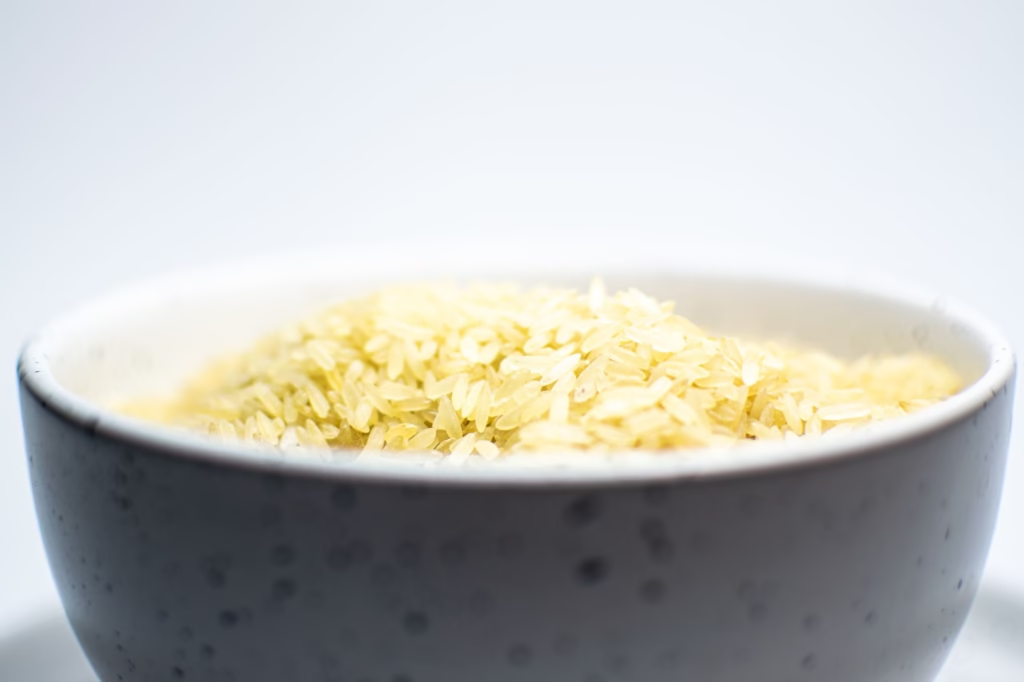
- White rice: A common choice for those recovering from illness, it’s bland and easy to digest.
- Applesauce: This is often favored because it can soothe an upset stomach.
- Plain yogurt: Probiotics in yogurt can be beneficial for gut health, though some individuals may need to choose lactose-free options.
- Boiled Potatoes: Soft and filling, they can provide nourishment without aggravating digestion.
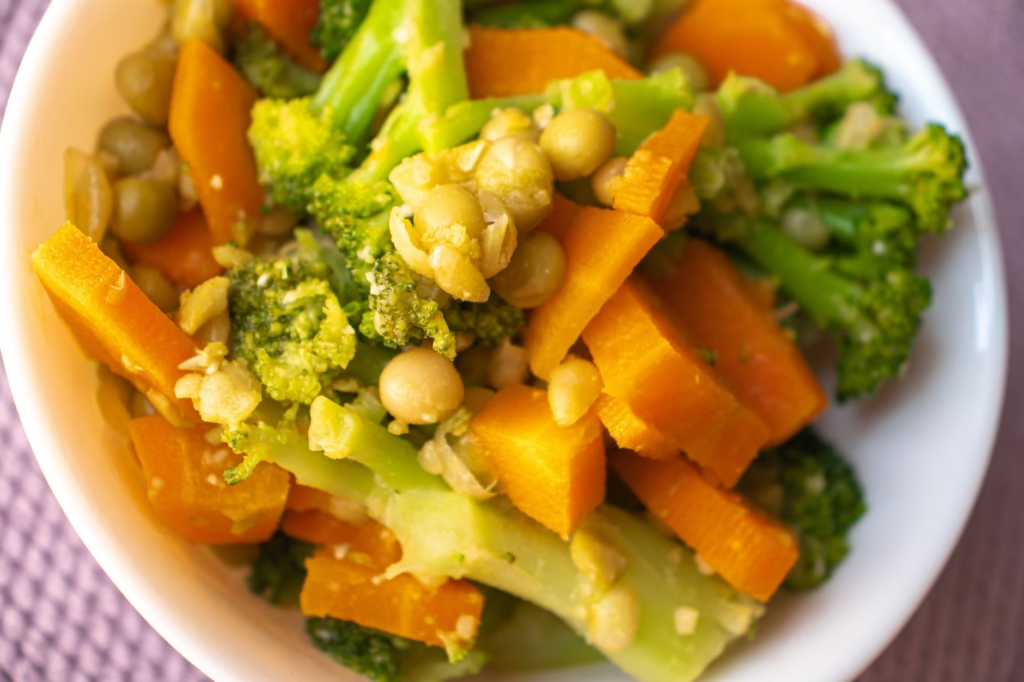
- Cooked carrots: They are soft and tender and packed with nutrients, which are easier to digest when cooked.
Keep in mind that everyone’s digestive system is different. Experimenting with these foods may help you discover which ones suit your body best. If you’re unsure about making dietary changes, consulting a healthcare professional can provide personalized guidance.
What Can We Do?
Here are some practical steps you can take if you’re looking for relief from digestive discomfort:
- Eat Smaller Meals: Instead of three large meals, try having five to six smaller meals throughout the day, which can be easier on your stomach.
- Stay Hydrated: Drinking water throughout the day helps support digestion and keeps things flowing. Aim for at least 8 cups daily.
- Choose Soft Foods: Look for softer foods that require less chewing and are easier to digest, like smoothies or soups. They can be nourishing without causing distress.
- Practice Mindful Eating: Slowing down and being present during meals can help reduce the risk of discomfort. Taking time to chew can aid in digestion.
- Incorporate Probiotics: Foods with probiotics, like yogurt, can be beneficial for gut health, but check how your body tolerates them.
When Should You See a Doctor?
If you experience persistent symptoms or discomfort, it may be wise to consult a healthcare professional. Some warning signs include:
- Persistent pain that doesn’t improve
- Blood in your stool or vomit
- Unexplained weight loss over time
- Severe nausea that doesn’t go away
- Symptoms that worsen despite trying dietary changes
Listening to your body is important; don’t hesitate to reach out to a healthcare provider when something doesn’t feel right!
Frequently Asked Questions
Why am I always looking for foods that are easy to digest?
You might be experiencing digestive issues or recovering from illness, making it vital to choose food options that are gentle on your stomach.
Can food intolerances cause digestive discomfort?
Yes, food intolerances often lead to discomfort, as your body struggles to process certain ingredients, like lactose or gluten.
When should I worry about my digestion?
If you have persistent or severe symptoms, especially related to pain, blood, or excessive weight loss, it’s best to consult a healthcare professional.
Are there foods I should avoid?
Heavier and high-fat foods can slow down digestion. Often, fried or spicy foods are best avoided if you’re sensitive.
Can hydration help with digestion?
Absolutely! Drinking plenty of water can support your digestive system and help prevent constipation.
How can I improve my eating habits?
Try to slow down during meals, chew thoroughly, and listen to your body’s fullness signals to improve overall gastrointestinal comfort.
Are there specific diets for better digestion?
Some people find a low-FODMAP diet helpful, but it’s best to consult with a healthcare provider for personalized guidance.
Is yogurt really good for digestion?
Yogurt can be beneficial due to probiotics, which support gut health, though individual tolerance varies, especially for those with lactose intolerance.
What the Research Says About Foods that are Easy to Digest
Research indicates that easy-to-digest foods can be particularly beneficial for certain populations, such as those recovering from surgery or gastrointestinal issues (Mayo Clinic, 2023). Studies demonstrate that soft, bland foods tend to minimize irritation and promote quicker recovery.
Moreover, a meta-analysis published in the American Journal of Gastroenterology highlights that individuals with IBS reported improved symptoms when adopting gentler dietary patterns (Harvard T.H. Chan School of Public Health, 2023). While it’s important to note that each individual’s response can vary, these findings suggest that opting for easily digestible foods can play a significant role in managing discomfort for many.
Simple Daily Habits That May Support Better Health
Incorporating daily habits that promote digestive health can enhance your overall well-being:
- Maintain a balanced diet filled with nutritious foods to support your digestive system.
- Stay physically active, as exercise can help stimulate digestion and promote gut health.
- Practice mindfulness during meals, which aids in digestion and helps you enjoy food more.
- Limit stressors in your daily life, as stress can negatively impact digestion.
Final Thoughts
We often overlook how essential our gut health is to our overall well-being. Taking the time to explore foods that are easy to digest can play a vital role in this journey. It is important for us to listen to our bodies and understand what works best for our digestive systems.
If we notice discomfort or troubling symptoms, making mindful food choices can help ease those feelings. But always remember that if symptoms persist or become severe, seeking medical advice is the best route. By staying informed and proactive, we support our digestive health and overall vitality.
Sources and References
Mayo Clinic: “Dietary Therapy for IBS.” Updated October 2023. https://www.mayoclinic.org/
Harvard T.H. Chan School of Public Health: “The Role of Gut Health.” Updated September 2023. https://www.hsph.harvard.edu/
American Gastroenterology Association: “Managing Digestive Disorders.” 2023. https://www.gastro.org/
CDC: “Healthy Eating.” Updated August 2023. https://www.cdc.gov/nutrition/
MedlinePlus: “Digestive Health.” Updated October 2023. https://medlineplus.gov/
Medical Disclaimer
This article is for general educational and informational purposes only. It is not intended to provide medical advice, diagnosis, or treatment. Health conditions can affect people differently, and information that is appropriate for one person may not be appropriate for another. If you have persistent, severe, or concerning symptoms, speak with a qualified healthcare professional for personalized advice.
Further Reading
Ivf Shot Schedule: 10 Things You Should Know
Omeprazole and Alcohol: Is It Safe to Mix?
what does a growth spurt in pregnancy feel like
Photo by Novkov Visuals on Pexels.
Frequently Asked Questions
Can cold beverages affect how easily I digest a meal?
While temperature is less critical than food composition, some people find that very cold drinks can trigger cramping in sensitive stomachs. Sipping lukewarm water or herbal tea during a meal may be more soothing for those with digestive sensitivity.
Should I avoid all raw vegetables if I have digestive issues?
Raw vegetables are often high in fiber, which can be harder to break down. Cooking vegetables softens their fibers, making them much gentler on your system if you are currently experiencing bloating or discomfort.
How long should I stick to an easy-to-digest diet?
These dietary modifications are typically intended for short-term relief during recovery or flare-ups. Once your symptoms subside, you can gradually reintroduce a wider variety of fiber-rich foods under the guidance of your doctor.
Do spices always cause digestive distress?
Not everyone reacts to spices the same way, but many potent seasonings can irritate the lining of the stomach or speed up digestion. If you are struggling with discomfort, sticking to mild, non-spicy flavors is a safer approach until your gut feels better.
The Bottom Line
Prioritizing foods that are easy to digest is a kind and effective way to manage temporary stomach discomfort or support your body during recovery. By choosing soft, low-fiber options and eating mindfully, you can significantly reduce bloating and cramping. Remember that your digestive health is unique, so listen to your body and consult a professional if your symptoms do not improve.