Key Takeaways
- Staying hydrated with water is the most effective way to keep your digestive system moving smoothly.
- Herbal teas like ginger and peppermint can help soothe common symptoms like bloating and stomach discomfort.
- Probiotic-rich beverages may support gut health by introducing beneficial bacteria to your digestive system.
- Mindful eating and stress management are essential habits that complement your beverage choices for better digestion.
Best Drinks for Digestion
If you’re curious about the best drinks for digestion, you’re not alone! Many of us experience bloating, gas, or an upset stomach from time to time, and it often leads us to search for ways to improve our gut health. The right beverages can actually play a crucial role in how well our digestive system functions. You may be wondering what these drinks are, why they matter, and how they can help soothe your tummy.
Digestion takes place when our body breaks down food and absorbs the nutrients we need for energy and health. Sometimes, our digestive system may feel sluggish or uncomfortable, causing us to seek out digestive aids. That’s where certain drinks come into play! Whether you’re looking for a warm cup of herbal tea or a refreshing glass of water with lemon, there are various options that can support your digestive health. Let’s dive into the best drinks that can help your digestion feel its best!
What Does This Mean?
The term “best drinks for digestion” refers to beverages that may aid the digestive process, helping our bodies break down food more effectively and absorb nutrients. Healthy digestion is important because it influences our overall wellbeing, mood, energy levels, and even our skin health. Following a poor diet, stress, and lack of hydration can all impact digestion negatively.
Common drinks that can help include herbal teas, water, and some fruit juices. These drinks might soothe the stomach or introduce helpful compounds that make digestion smoother. Let’s break down what happens during digestion to understand how these beverages can make a difference.
Why Does This Happen?
Many factors could influence how well our digestive system functions. One possible reason for digestive discomfort is not drinking enough water. When we are dehydrated, our body may struggle to break down food efficiently. Another common factor is the consumption of heavy, greasy foods that can weigh on digestion.
In some people, certain drinks or food intolerances can also lead to digestive issues. For example, caffeine can stimulate the gut but may also lead to upset stomach for some individuals. Research suggests that incorporating beverages with specific benefits can alleviate some of these issues. Drinking herbal teas, for example, has been shown to improve digestive performance and help with symptoms like bloating and gas.
Common Causes
Here are some common causes associated with digestion issues that can help illustrate why selecting the right drinks matters:
Dehydration: When we aren’t drinking enough fluids, the digestive process can slow down. This can lead to constipation and discomfort. Drinking adequate water each day is an easy way to keep things moving smoothly.
Poor diet: Diets high in processed foods can lead to digestive issues. A sudden change to a fiber-rich diet can also upset the stomach if increased suddenly. Drinking herbal teas or water with lemon may help ease the transition by calming the stomach.
Food intolerances: Many people may not realize they have an intolerance to certain foods, such as lactose or gluten. Consuming these foods can lead to bloating and discomfort. Recognizing triggers and adjusting food choices, alongside what you drink, can make a difference.
Signs and Symptoms to Watch For
Common symptoms associated with digestion issues include:
- Bloating
- Gas or flatulence
- Stomach cramps or discomfort
- Constipation or irregular bowel movements
These symptoms can be normal from time to time, especially after a heavy meal. However, if these symptoms persist or worsen, it may be time to evaluate your diet and drinking habits. If you’ve made reasonable changes and the discomfort continues, speaking with a healthcare professional can provide insights tailored to your needs.

What Can Make it Worse?
Several lifestyle and dietary factors may contribute to or worsen digestive issues:
Diet: A diet lacking in fiber can slow down digestion. Beverages that are low in nutrients but high in sugar can also hinder digestion.
Eating habits: Eating quickly and not chewing food thoroughly can lead to improper digestion. This can make drinking a soothing tea or water an essential practice during meals.
Hydration: Not drinking enough fluids can lead to constipation. It’s easy to forget to hydrate, especially during busy days.
Stress: Stress affects the entire body, including the digestive system. Relaxing drinks, like chamomile tea, may help alleviate stress and its effects on digestion.
Foods and Drinks Related to the Topic
When discussing drinks that may help digestion, some stand out:
- Water: Staying hydrated is essential. Drinking plenty can help digestion function properly.
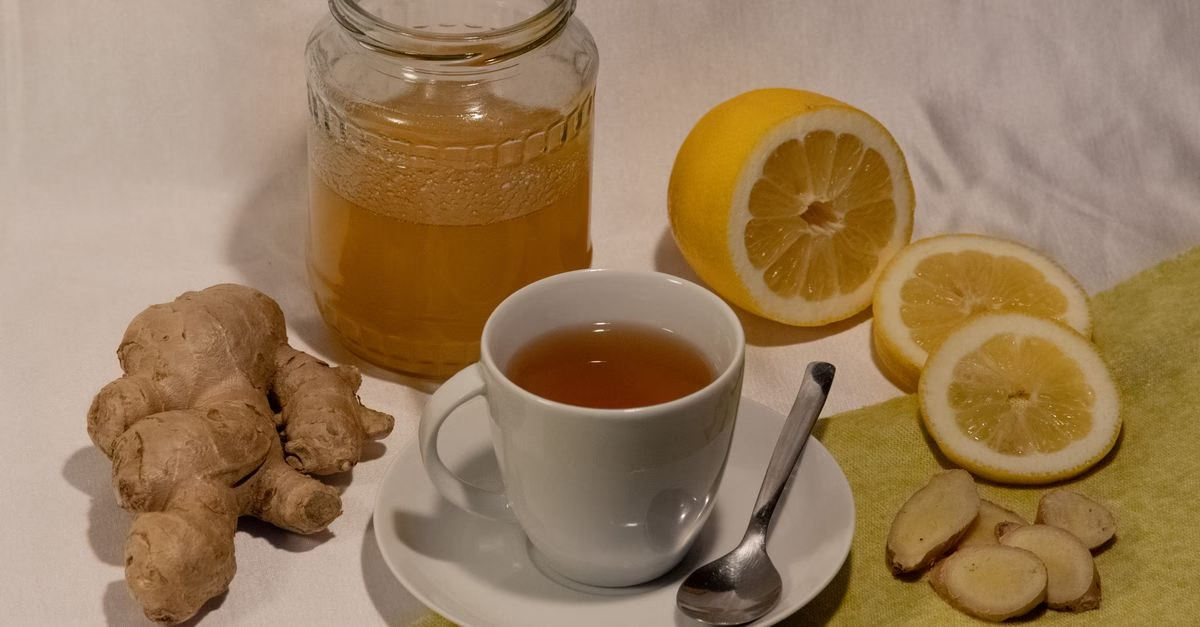
- Herbal teas: Peppermint and ginger tea are commonly associated with soothing the digestive system, easing discomfort and bloating.
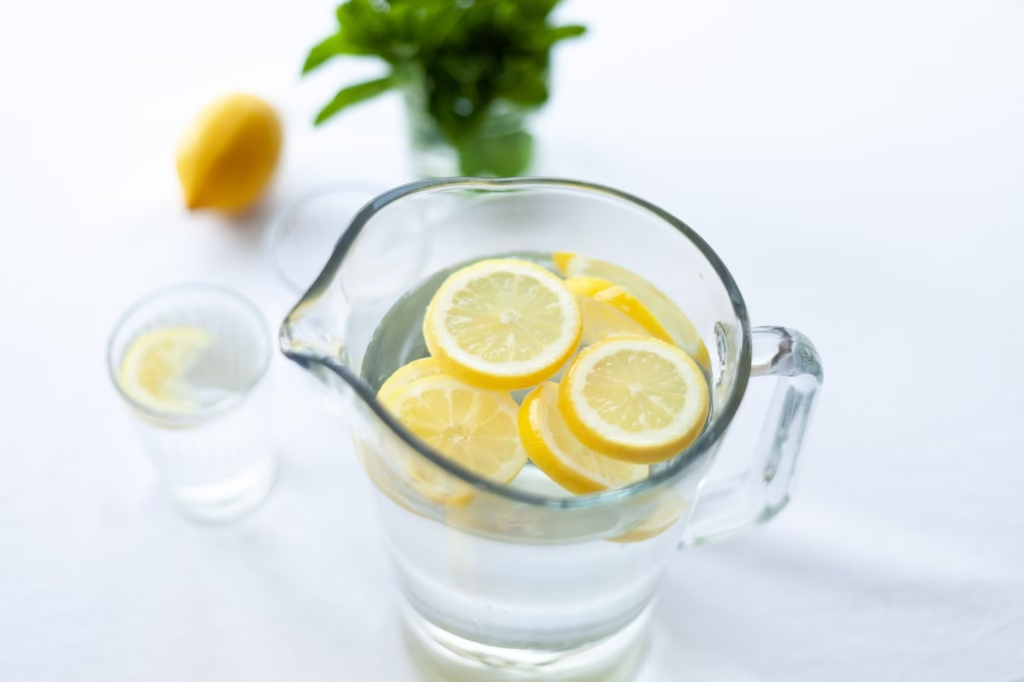
- Lemon water: Warm lemon water may help jumpstart digestion in the morning and provide vitamin C.
- Apple cider vinegar drinks: Mixed with water, it’s believed by some to support digestion, though research is still limited.
- Probiotic-rich drinks: Such as yogurt smoothies, can introduce beneficial bacteria into the gut and support overall digestive health.
People’s responses to these drinks can differ significantly. It’s all about finding what works for your body. If you notice any adverse effects, it may be best to speak with a healthcare professional.
What Can We Do?
Here are some practical, evidence-based steps you can consider to help improve digestion:
- Stay hydrated: Aim to drink at least 8 glasses of water a day. You can also include herbal teas or infused waters.
- Incorporate herbal teas: Try peppermint or ginger tea after meals as they may soothe discomfort.
- Start the day with warm lemon water: This drink can help kick start your digestive process and provide hydration.
- Consider probiotics: Drinking probiotic-rich beverages may support gut health. You can integrate them slowly into your diet.
- Practice mindful eating: Take your time to eat slowly and chew thoroughly. Drinking water during meals can aid in digestion, but try not to overdo it.
When Should You See a Doctor
It’s important to consult with a healthcare professional if you experience any of the following:
- Severe or persistent pain in the abdomen
- Blood in stool or black stool
- Unexplained weight loss
- Persistent vomiting or nausea
- Difficulty swallowing
- Severe weakness or fatigue
Listening to your body is key. If you have concerns, don’t hesitate to reach out to a healthcare provider who can guide you through your specific situation.
Frequently Asked Questions
Why am I always bloated?
Bloating can be caused by several factors, including eating too quickly, consuming certain foods, or not drinking enough water. It would be beneficial to keep track of what you eat and drink to identify potential triggers.
Can food cause bloating?
Yes, certain foods, especially those high in fructose or lactose, can cause bloating in sensitive individuals. Keeping a food diary can help you identify any specific foods that might be causing you discomfort.
When should I worry about digestive issues?
If your digestive problems persist despite making lifestyle changes, or if you experience severe symptoms like pain or blood in stool, it’s wise to consult a healthcare professional.
Is lemon water good for digestion?
Many people find that warm lemon water can help kickstart their digestion, especially when consumed in the morning. It can also provide hydration and vitamin C!
Are herbal teas safe for everyone?
While most herbal teas are generally safe, some individuals may be sensitive to specific herbs. It’s a good idea to consult a healthcare professional if you’re unsure which ones to choose.
Can drinking too much water hurt digestion?
Drinking an appropriate amount of water is essential, but drinking excessively may lead to discomfort or even water intoxication. Moderation is key.
Do probiotics work for everyone?
Probiotics may help many, but their effects can vary from person to person. Some individuals find significant relief while others may not notice a difference. Consulting with a healthcare provider can help tailor the approach.
How can I improve my overall digestive health?
Staying hydrated, eating a balanced diet high in fiber, managing stress, and incorporating physical activity can all promote better digestive health. Drinking the right beverages alongside these habits can also help!
What the Research Says About Best Drinks for Digestion
Research supports the idea that certain beverages can positively influence digestion. A review published in the American Journal of Gastroenterology found that herbal teas, particularly ginger and peppermint, can effectively reduce digestive discomfort (Source: American Gastroenterological Association). Studies also suggest that hydrating adequately can facilitate smoother digestion and prevent constipation (Source: NIDDK).
Moreover, research indicates that probiotic drinks may enhance gut health by balancing the gut microbiome (Source: Cleveland Clinic). However, the effectiveness can vary based on individual health factors and dietary needs. While evidence exists to support these drinks, further research is necessary to understand their overall impact fully.
Simple Daily Habits That May Support Better Health
In addition to making mindful beverage choices, here are some simple daily habits that may support better digestive health:
- Engage in regular physical activity, even taking walks can aid digestion.
- Practice stress-management techniques like yoga or meditation.
- Prioritize a balanced diet with plenty of fruits, vegetables, and whole grains.
- Limit highly processed foods and excessive sugar intake.
- Keep a food and drink journal to better recognize how different items affect your digestion.
Final Thoughts
We often overlook how our drink choices can impact our digestion. With a better understanding of the best drinks for digestion, we can improve our gut health and overall wellbeing. Staying hydrated, opting for herbal teas, and introducing probiotics can be small but impactful changes to your routine.
If we notice our digestion isn’t working as it should, making small adjustments like focusing on our drinks can make a significant difference. Remember, it’s essential to listen to our bodies. Persistent symptoms should be discussed with a healthcare professional for guidance and support.
Sources and References
American Gastroenterological Association: Dietary management of the gastroesophageal reflux disease. 2020. https://www.gastro.org
Cleveland Clinic: Probiotics: What They Are and What They Do. 2021. https://my.clevelandclinic.org
National Institute of Diabetes and Digestive and Kidney Diseases: Constipation. 2018. https://www.niddk.nih.gov
Mayo Clinic: Probiotics: What They Are and Why You Need Them. 2021. https://www.mayoclinic.org
Harvard T.H. Chan School of Public Health: The Nutrition Source: Hydration. 2020. https://www.hsph.harvard.edu
Medical Disclaimer
This article is for general educational and informational purposes only. It is not intended to provide medical advice, diagnosis, or treatment. Health conditions can affect people differently, and information that is appropriate for one person may not be appropriate for another. If you have persistent, severe, or concerning symptoms, speak with a qualified healthcare professional for personalized advice.
Further Reading
Ivf Shot Schedule: 10 Things You Should Know
Omeprazole and Alcohol: Is It Safe to Mix?
what does a growth spurt in pregnancy feel like
Photo by Lusynda <3 on Pexels.
Frequently Asked Questions
Should I drink water during my meals?
Drinking water during meals is generally fine and can even help with digestion. Just be mindful not to drink so much that you feel overly full, which can sometimes interfere with your comfort.
Does temperature matter for digestive drinks?
Many people find warm beverages like tea or lemon water more soothing for the stomach. However, the most important factor is staying hydrated throughout the day, regardless of the temperature of your drink.
Can carbonated drinks help digestion?
While some people find carbonated drinks help them burp and relieve pressure, the gas in these drinks can often cause more bloating for others. It is usually best to stick to water, herbal teas, or non-carbonated options if you are sensitive to gas.
How long does it take for these drinks to work?
The effect of soothing drinks like ginger or peppermint tea can often be felt within thirty minutes to an hour. For long-term improvements in gut health through hydration and probiotics, you may need to maintain these habits for several weeks.
The Bottom Line
Improving your digestion can be as simple as choosing the right drinks to support your body throughout the day. By prioritizing hydration and exploring soothing options like herbal tea, you can take proactive steps toward feeling more comfortable. Always remember to listen to your body and consult a healthcare professional if you have ongoing concerns about your gut health.